Recipe
Servings
Servings 1×
Ingredients
- Chicken
- Potatoes
- Cauliflower
- Lemon
- Cream
- Hard cheese
- Butter
- Salt
Method
- Use a wide skillet and preheat it properly.
- Cook in batches if necessary.
- Add your broth or wine carefully and scrape the pan with a wooden spoon.
- Let the liquid reduce before finishing the sauce.
- Add the lemon gradually and taste as you go.
- Keep the heat low, add the butter gradually, and resist the urge to multitask by reorganizing your spice drawer.
Chicken piccata sounds like restaurant food, but it is actually one of the friendliest dinners to make at home. Thin chicken cutlets cook quickly, a few browned bits turn into a bright lemon-caper sauce, and cauliflower mash delivers the creamy comfort of potatoes without the heavy starch load. If you are exploring keto recipes for beginners, start here. This dish teaches useful skillet skills while keeping dinner simple, satisfying, and weeknight-ready.
Tips & Technique: Build Flavor Without Adding Carbs
Start with even chicken for even cooking
Do not skip the most important bit of prep: make the chicken an even thickness. Chicken breasts are naturally lumpy, with a thick center and thin edges. If you cook them as they are, the thin parts can dry out before the middle reaches a safe temperature.
Turn each breast into thinner cutlets or gently flatten the thickest areas. You are not trying to pulverize the chicken into a sad white pancake. Aim for a consistent thickness so every section meets the heat at roughly the same time.
This also reduces cooking time. Thin cutlets sear quickly, which means you can create a golden crust without leaving the chicken in the pan long enough to lose all its moisture.
Keep the coating light
Traditional piccata often uses wheat flour, but almond flour and Parmesan make a useful low-carb alternative. The coating should be thin enough to brown rather than clump. Shake off the excess before the chicken reaches the pan.
Why does this work? The dry coating creates a surface that can brown through the Maillard reaction. That reaction is responsible for the savory, roasted flavor you associate with beautifully seared food. Parmesan brings extra umami and browns readily, while almond flour adds nuttiness and helps the sauce cling.
Avoid pressing on the chicken while it cooks. Pressing forces out juices and can disturb the crust. Let the pan do the work.
Heat the pan, then give the chicken room
Use a wide skillet and preheat it properly. The surface should be hot enough for the chicken to sizzle as soon as it lands, but not so hot that the coating burns before the inside cooks.
Crowding is the enemy here. When too many cutlets share one pan, they release moisture faster than it can evaporate. Instead of searing, they steam. Steam is excellent for vegetables; it is not what you want for a golden piccata crust.
Cook in batches if necessary. Yes, it adds a few minutes. No, it does not ruin the “quick dinner” mission. It saves you from pale chicken and a watery sauce.
For more straightforward poultry inspiration, browse Cookpedia’s chicken recipe collection or explore quick meals when you need a shorter shopping list and less kitchen drama.
Use the browned bits as your flavor bank
Once the chicken is resting, look at the skillet. Those brown specks stuck to the bottom are called fond, and they contain concentrated savory flavor. Do not scrub them away. Do not sigh at them. Rescue them.
Add your broth or wine carefully and scrape the pan with a wooden spoon. The liquid loosens the fond and carries it into the sauce. This is deglazing, and it is one of the easiest ways to make a meal taste more complicated than it really is.
Let the liquid reduce before finishing the sauce. Reduction evaporates water and concentrates flavor. It also gives the sauce enough body to coat the chicken instead of running thinly across the plate.
Balance richness with acid
Butter makes the sauce silky, but butter alone can taste heavy. Lemon juice supplies acidity, which sharpens the flavors and keeps the dish from feeling flat. Capers add a salty, briny punch that makes the chicken taste livelier without needing a long list of seasonings.
Add the lemon gradually and taste as you go. The goal is brightness, not lemon-flavored furniture polish. If the sauce tastes rich but dull, it needs more acidity. If it tastes aggressively sharp, add a little more unsalted butter or broth to restore balance.
Finish the sauce gently
Take the pan off high heat before adding cold butter at the end. Whisking it into a warm, reduced liquid creates an emulsion: tiny droplets of butter become suspended in the liquid, producing a smooth, glossy sauce.
Boiling can break that emulsion. You may end up with an oily layer instead of a silky coating. Keep the heat low, add the butter gradually, and resist the urge to multitask by reorganizing your spice drawer. This is the moment to stay near the pan.
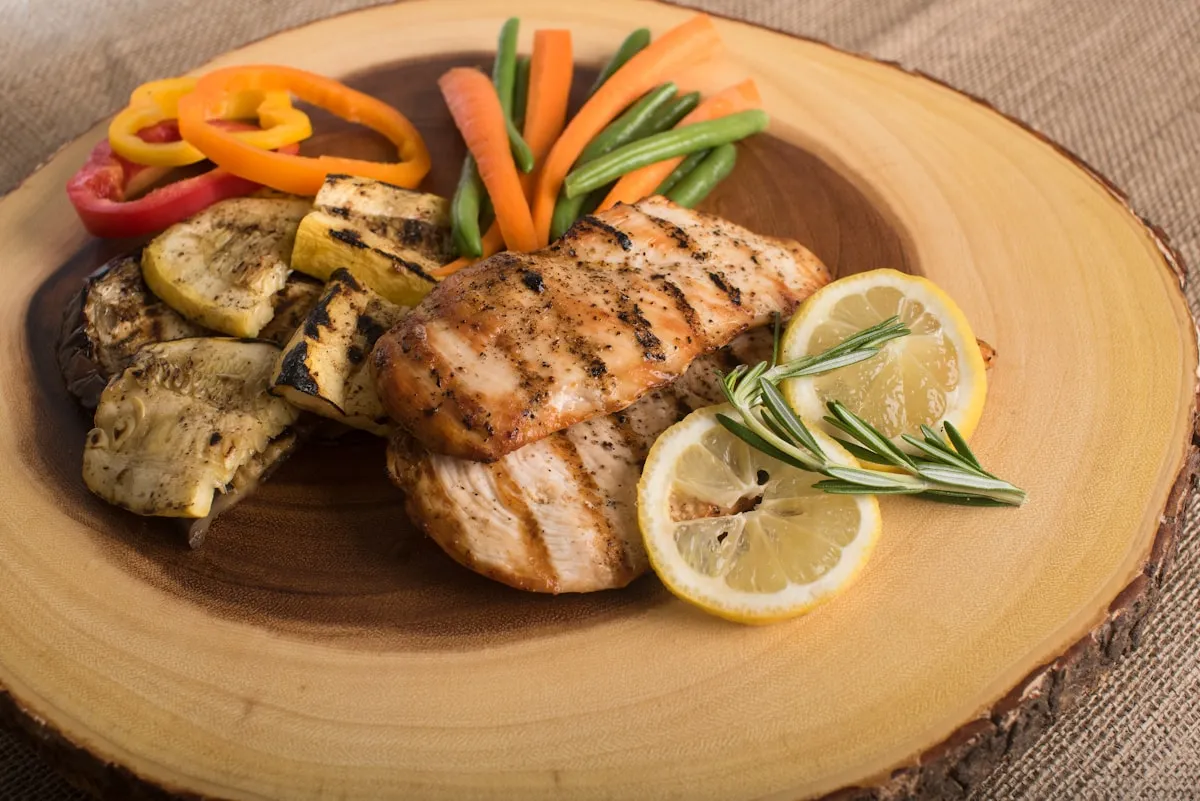
Make cauliflower mash dry enough to hold its shape
Cauliflower mash fails for one main reason: too much water. Boiling cauliflower allows it to absorb moisture, and excess liquid makes the finished mash loose and soupy.
Steam the florets or cook them in a way that limits water absorption. Once tender, let them release steam before blending or mashing. This small pause makes a noticeable difference.
Remember that cauliflower does not contain the same starch as potatoes. It will not become fluffy in exactly the same way. Butter, cream, cream cheese, or Parmesan add richness and body, but add them gradually. You can always loosen the mash; rescuing a watery purée is much harder.
Use a food processor or immersion blender for a smooth texture, or mash by hand for a more rustic side. Stop blending as soon as the texture looks creamy. Overworking cauliflower can make it oddly gluey, and nobody wants mash with the personality of wallpaper paste.
Finally, check the seasoning. Cauliflower is mild and needs enough salt to taste like something. Add capers to the sauce carefully, though, because their briny flavor may already bring plenty of salt to the plate.
Variations: Keep the Same Balance, Change the Mood
Make it dairy-light
Skip the cream in the sauce and rely on a well-reduced broth, lemon, and a modest amount of butter. The result will be lighter but still flavorful. Use olive oil instead of some of the butter for a softer, fruitier finish.
For the mash, blend in olive oil and roasted garlic rather than cream cheese. The texture will be less rich, but the garlic adds enough depth to keep it interesting.
Add green vegetables
Fold wilted spinach into the cauliflower mash for color and extra vegetables. Keep the spinach well-drained so it does not add unwanted water. You can also serve the chicken over sautéed zucchini ribbons, roasted asparagus, or tender green beans.
Choose vegetables that bring freshness or a little bitterness. The sauce already supplies fat and acidity, so a green vegetable helps keep the plate balanced.
Use a different protein
The same pan-sauce idea works with thin pork cutlets, turkey cutlets, or firm white fish. Adjust the cooking time according to thickness and protein type rather than blindly copying the chicken timing.
For fish, handle the coating gently and shorten the searing time. For pork, check the center carefully and avoid overcooking. The lemon-caper butter sauce is flexible; it does not insist on chicken every single time.
Make the flavor more garlicky
Add roasted garlic to the mash or a small amount of minced garlic to the sauce after the pan has cooled slightly. Garlic can burn quickly in a hot skillet, so do not add it at the beginning if the pan is already very hot. Burnt garlic brings bitterness, and bitterness is a difficult dinner guest.
Side Dish Pairings: Add Contrast, Not More Richness
Chicken piccata and cauliflower mash already cover creamy, buttery, salty, and tangy notes. Choose sides that create contrast rather than piling on more richness.
Serve a crisp green salad dressed with lemon vinaigrette. The raw vegetables add crunch, while the vinaigrette echoes the sauce’s acidity without making the plate taste repetitive. Arugula, cucumber, radish, and celery work particularly well.
Roasted asparagus or broccolini also makes a strong pairing. Let the edges brown slightly so you get a roasted flavor against the bright sauce. Keep the seasoning simple: olive oil, salt, pepper, and perhaps a squeeze of lemon after roasting.
If you want a more substantial vegetable side, try sautéed mushrooms with fresh herbs. Their earthy flavor complements the chicken, but use a light hand with butter because the main dish already has plenty.
These are useful principles for building healthy dinner ideas: pair a rich main with something crisp, green, bitter, or acidic. Balance makes a meal feel complete.
FAQ: What If My Piccata Goes Wrong?
What if the chicken browns too quickly?
Lower the heat immediately and move the skillet off the burner for a moment. A dark crust is not automatically a flavorful crust; if the coating turns nearly black before the chicken is cooked, it will taste bitter.
Check the thickness of the cutlets as well. Very thick pieces need gentler heat and more time. Use a thermometer in the thickest part and cook chicken to 165°F (74°C). Treat timing as a guide, not a guarantee, because pan size, stove strength, and chicken thickness all vary.
What if the sauce tastes too sour?
Add richness or dilution in small amounts. A little unsalted butter can soften sharp acidity, while a splash of broth can spread it through a larger volume of sauce. Do not add a large amount of cream immediately; it can mute the lemon and leave you with a heavy sauce.
Taste after every adjustment. Acidity becomes less aggressive when balanced with fat and salt, but too much correction can turn a bright sauce bland.
What if the sauce breaks and looks oily?
The liquid was probably too hot, or the butter was added too quickly. Remove the skillet from the heat and whisk in a teaspoon of warm broth. If the sauce begins to come back together, add the remaining butter more slowly.
A broken sauce is not dangerous, only visually disappointing. The chicken will still taste good. Next time, reduce the liquid first, lower the heat, and finish with cold butter away from a hard boil.
What if my cauliflower mash is watery?
First, stop adding dairy or butter. Transfer the mash to a warm skillet over low heat and stir gently so some moisture can evaporate. Avoid high heat, which can make the texture grainy and cause dairy ingredients to separate.
You can also blend in a little more cooked cauliflower if you have it. Do not use wheat flour or cornstarch to thicken it if you are keeping the meal keto-friendly. The better fix is prevention: steam the cauliflower, drain it well, and let it release steam before blending.
What if I do not have capers?
Use chopped green olives for a similar briny effect, or add a small splash of pickle brine to the sauce. Start conservatively because both alternatives can be salty.
The sauce needs a sharp or savory accent to balance the butter, but it does not have to be traditionally caper-based. Finely chopped parsley, a little lemon zest, or a few sliced pepperoncini can also add liveliness.
Can I prepare this as one of my quick family meals?
Yes, especially if you flatten the chicken and prepare the cauliflower while the skillet heats. Keep the sauce simple and avoid cooking the chicken in an overcrowded pan. The dish is best served immediately, but leftovers can be refrigerated for three to four days.
Reheat gently until the chicken reaches 165°F (74°C). Avoid boiling the sauce, which may cause the butter to separate and the chicken to dry out. Store the mash and chicken separately if possible, then spoon the sauce over both just before serving.
Is this suitable for everyone following keto?
The dish is designed to be low in carbohydrates, but the exact total depends on your portion size, broth, dairy choices, and whether you use wine. Check labels if you are tracking closely, especially for prepared broth and cream cheese.
Keep the sauce free of flour or cornstarch, and remember that cauliflower still contributes some carbohydrates even though it is much lower in starch than potatoes. For specific medical or dietary needs, follow guidance from your healthcare professional. Use this recipe as a practical starting point, not a substitute for individualized advice.
For more simple inspiration, combine this dish with Cookpedia’s dinner recipes and build a rotation of reliable healthy dinner ideas. And if you want to experiment with hands-off cooking another night, browse the air fryer dinner collection.