Recipe
Servings
4 1×
Serves 4Prep 15 minCook 40 min
Ingredients
- 1½ pounds boneless, skinless chicken breasts or thighs
- 1 pound baby potatoes, halved
- 12 ounces green beans, trimmed
- 2–3 tablespoons olive oil
- Juice and zest of 1 lemon
- 3 garlic cloves, minced
- 1 teaspoon dried thyme
- 1 teaspoon dried rosemary
- ½ teaspoon paprika
- Salt and black pepper, to taste
Method
- Heat the oven to 425°F. Toss the potatoes with some olive oil, salt, pepper, and paprika. Roast on a large sheet pan for 20 minutes.
- Combine the remaining oil, lemon zest, lemon juice, garlic, thyme, rosemary, salt, and pepper. Coat the chicken with the mixture.
- Turn the potatoes. Add the chicken and green beans to the pan in a single layer.
- Roast for 15–25 minutes, until the potatoes are tender and the chicken reaches 165°F in the thickest part.
- Rest the chicken for 5 minutes. Finish with extra lemon juice and herbs before serving.
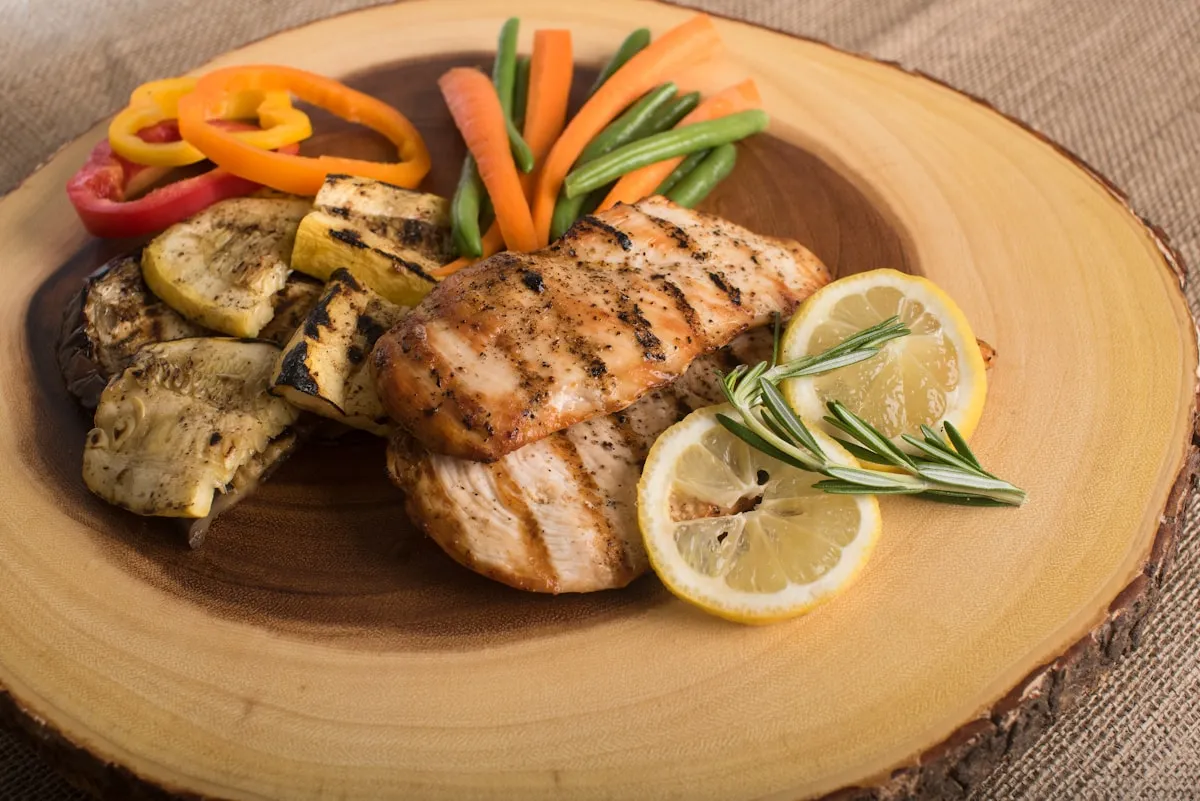
When dinner needs to be healthy, filling, and on the table without creating a sink full of dishes, reach for this sheet pan lemon herb chicken. It brings together juicy chicken, golden potatoes, and tender green beans with bright lemon, garlic, and herbs. I love it because the oven does most of the work while you handle the important business: setting the table and pretending you were never worried about dinner.
Tips & Technique: Make One Pan Taste Like Three
Use high heat for flavor, not fuss
Roast this dinner at a properly hot temperature so the food browns instead of slowly steaming. Around 400–425°F gives the chicken and vegetables enough heat to develop savory, toasted flavors through the Maillard reaction.
That reaction happens when proteins and sugars on the surface of food meet high heat. It creates the browned edges, roasted aromas, and deeper flavor you want from a sheet pan dinner. Lemon juice cannot create that flavor on its own, and neither can a mountain of dried seasoning. Browning does the heavy lifting.
Preheat the oven fully before the pan goes in. Avoid crowding the ingredients, too. Leave small gaps between the chicken, potatoes, and beans so moisture can escape. If everything is packed tightly together, the pan becomes a steamy vegetable sauna.
Give potatoes a head start
Potatoes are dense, starchy, and full of water. They need more time than green beans and usually more time than boneless chicken. Starting everything together is a reliable way to get chicken that is finished before the potatoes are tender.
Cut the potatoes into similar-sized pieces so they cook evenly. Halve small potatoes or cut larger ones into modest chunks. Keep the pieces large enough to stay creamy inside while their cut surfaces brown against the pan.
Start the potatoes before adding the chicken and green beans. This simple timing adjustment is the secret behind many successful 30-minute dinner recipes: match the cooking time to the ingredient, rather than asking every ingredient to behave identically.
Dry the chicken before seasoning
Pat the chicken dry before coating it with the lemon-herb mixture. Surface moisture must evaporate before browning can begin, so wet chicken tends to turn pale and soft. Dry chicken gets better color and a more concentrated roasted flavor.
Choose boneless, skinless breasts for a leaner result, or use boneless thighs for extra forgiveness. Breasts cook quickly but can dry out if left in the oven too long. Thighs contain more fat and connective tissue, giving them a juicier texture and a wider margin for error.
Do not rely on cooking time alone. Check the thickest piece with an instant-read thermometer and remove the chicken when it reaches 165°F. The thermometer is not being dramatic; it is simply more dependable than guessing based on color.
Treat lemon as a finishing tool
Lemon plays two jobs here. The juice brings acidity, which balances the savory chicken and starchy potatoes. The zest contributes fragrant citrus oils that make the whole pan taste brighter without adding extra salt or a heavy sauce.
Use some lemon before roasting, but save a little for the end. Long exposure to heat softens the sharpness of lemon juice. A final squeeze restores that fresh, lively flavor.
Keep the lemon marinade moderate. Acid can slightly soften the surface of chicken, but it does not magically tenderize the center. Leave chicken in a very acidic mixture for too long and the exterior may become unpleasantly soft. Fifteen to thirty minutes is plenty for a weeknight meal.
Season in layers
Build flavor in more than one moment. Season the potatoes so their starchy centers do not taste flat. Season the chicken separately so the herbs cling to its surface. Add the green beans with enough oil to encourage browning, but not so much that they become slick and limp.
Use lemon zest, garlic, rosemary, thyme, black pepper, and paprika to create a bold flavor base while keeping added salt under control. Herbs and acidity are especially useful when you are looking for healthy dinner ideas that still taste like something you would happily make again.
Finally, let the cooked chicken rest for a few minutes before serving. Resting gives the juices time to redistribute instead of running straight onto the cutting board. Those few minutes also let the potatoes finish crisping and the lemon aroma settle into the pan juices.
Variations: Keep the Method, Change the Mood
Use the same cooking logic to create several versions of this dinner.
Swap chicken breasts for boneless thighs when you want richer flavor and extra juiciness. For a lighter plate, use chicken breast and increase the green beans. Just avoid cutting the chicken into tiny pieces; small pieces overcook quickly while the potatoes are still catching up.
Replace green beans with broccoli florets, asparagus, zucchini, or bell pepper. Choose vegetables with similar cooking times, or add delicate vegetables later. Broccoli can handle the high heat well, while zucchini needs less time and may become soft if it roasts too long.
Change the herb profile to suit your pantry. Rosemary and thyme give the dish a classic roast-chicken flavor. Oregano creates a Mediterranean feel, while parsley and dill make the finished pan taste fresher. Add a pinch of smoked paprika for warmth or red pepper flakes for a gentle kick.
For a lower-carbohydrate version, replace the potatoes with cauliflower florets or extra green vegetables. For a heartier family plate, keep the potatoes and add a small spoonful of plain yogurt mixed with lemon zest as a cool finishing sauce.
Side Dish Pairings: Add Contrast, Not More Work
This pan is already a complete meal, so choose sides that add balance rather than duplicate what is on the tray.
Serve a crisp green salad with a sharp vinaigrette if the chicken feels rich. The acidity cuts through the olive oil and refreshes each bite. A simple cucumber salad works for the same reason: cool, crunchy vegetables bring contrast to the hot roasted food.
Add crusty bread if you want something to catch the lemony pan juices. Choose a whole-grain loaf when you want extra texture and staying power, but keep the portion sensible because the potatoes already provide starch.
For a creamy element, offer plain Greek yogurt stirred with lemon zest, black pepper, and chopped herbs. It works like a quick sauce without turning the dinner into a heavy production. A small bowl of olives or pickled onions can also wake up the plate with salty, tangy contrast.
If you are planning several quick family meals, serve leftovers with greens, warm grains, or tucked into a pita. The chicken is particularly useful the next day.
FAQ: What If My Sheet Pan Dinner Goes Wrong?
What if the potatoes are still hard when the chicken is done?
Remove the chicken from the pan and cover it loosely with foil while the potatoes continue roasting. Dense potatoes need more time for their starches to soften. Next time, cut them smaller or give them a longer head start. Avoid raising the oven temperature dramatically; the outside may burn before the centers become tender.
What if the chicken turns out dry?
Check it earlier with a thermometer and remove it as soon as it reaches 165°F. Thin chicken breasts dry out quickly, especially if they are cut into uneven pieces. Pound thick breasts to an even thickness, or choose boneless thighs for a juicier result. Resting the meat also helps keep its juices where they belong: in the chicken, not on the board.
What if the green beans become wrinkled?
They may have roasted too long or lacked enough oil. Green beans lose water as they cook, and prolonged high heat can make them shrivel. Add them later in the cooking process and coat them lightly with oil. Look for browned spots and a tender-crisp texture rather than complete softness.
Can I marinate the chicken overnight?
You can season the chicken ahead, but do not leave it submerged in a strongly acidic lemon mixture overnight. Lemon juice changes the texture of the outer proteins and can make the surface mushy. For advance preparation, combine the herbs, garlic, oil, salt, and pepper first, then add the lemon closer to cooking time.
Can I use frozen green beans?
Yes, but expect more moisture. Frozen beans can release water as they roast, which reduces browning and may soften the potatoes. Add them while still frozen, spread everything generously across the pan, and allow a few extra minutes. If possible, use fresh beans when you want the best blistered edges.
How do I reheat leftovers?
Reheat the chicken and vegetables in a hot oven or air fryer until warmed through. Avoid microwaving the entire portion for a long stretch, which can make the chicken rubbery and the beans limp. Add fresh lemon after reheating to restore the brightness that fades in the refrigerator.