Recipe
Servings
Servings 1×
Ingredients
- Shrimp
- Pasta
- Noodles
- Rice
- Cauliflower
- Asparagus
- Zucchini
- Spinach
- Apple
- Tomatoes
- Garlic
- Lemon
- Lime
- Cream
- Hard cheese
- Butter
- Cooking oil
- Curry spices
Method
- Let’s talk about the biology of a shrimp.
- Use medium-high heat and a preheated pan.
- Pat your shrimp bone-dry before they hit the oil.
- Use a high-smoke-point oil or a mix of butter and olive oil to prevent the milk solids in the butter from burning before the shrimp are done.
- Start by sautéing your garlic.
- Heat them just until they release allicin, the aromatic compound that gives garlic its "zing", and turn a pale straw color.
If you are just starting your low-carb journey, you’ve probably realized that fat is your new best friend. But let’s be honest: nobody wants to eat plain butter for dinner. You want something that feels like a decadent cheat meal but keeps your ketones soaring. My Keto Creamy Garlic Shrimp with Spinach is exactly that. It is one of those keto recipes for beginners that looks like it belongs in a five-star bistro but takes less than 20 minutes to pull off. It’s the ultimate solution for quick healthy meals when you’ve had a long day and your brain is foggy from "keto flu" (which we are going to fix with some electrolytes and healthy fats right now).
The Physics of the Perfect Sear
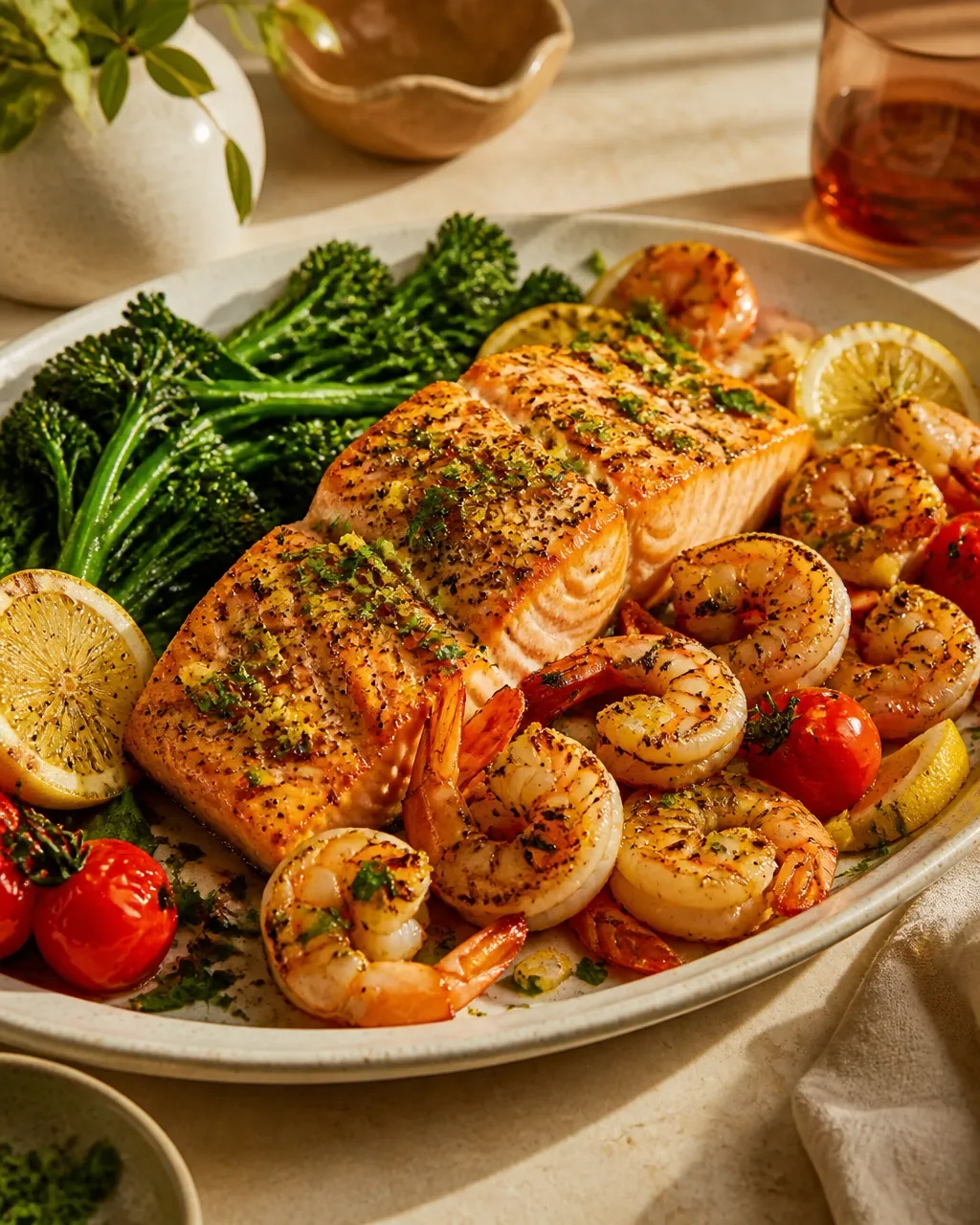
Let’s talk about the biology of a shrimp. These little guys are roughly 80% water and 20% protein. When you apply heat, those proteins, specifically myosin and actin, start to denature and coil up like tiny springs. If you cook them too long, they squeeze out all that moisture, leaving you with something that has the texture of a pencil eraser.
To avoid the dreaded rubbery shrimp, you must master the "C-shape" rule. A perfectly cooked shrimp is curved into a "C." If it has curled into a tight "O," you’ve gone too far. Use medium-high heat and a preheated pan. You want to trigger the Maillard reaction, that magical chemical dance between amino acids and reducing sugars, to get a golden-brown crust. This creates "fond," those little brown bits stuck to the bottom of your pan. Do not wash those away! They are concentrated flavor bombs that will provide the backbone for your sauce.
Pat your shrimp bone-dry before they hit the oil. If they are wet, the heat will go into evaporating the surface moisture (steaming) rather than browning the protein (searing). This is a non-negotiable rule in my kitchen. Use a high-smoke-point oil or a mix of butter and olive oil to prevent the milk solids in the butter from burning before the shrimp are done.
The Chemistry of a Stable Emulsion
Once your shrimp are seared and resting on a plate, it’s time to build the sauce. This is where the science of emulsification comes into play. You are essentially trying to marry fat (heavy cream and butter) with water-based liquids (lemon juice or a splash of dry white wine).
Start by sautéing your garlic. Garlic contains sulfur compounds that turn bitter if they burn. Heat them just until they release allicin, the aromatic compound that gives garlic its "zing", and turn a pale straw color. Deglaze the pan with your liquid, scraping up that precious shrimp fond.
When you add the heavy cream, keep the heat at a gentle simmer. High heat can cause the proteins in the dairy to clump together and "break" the sauce into a greasy mess. As the water in the cream evaporates, the fat and proteins concentrate, naturally thickening the sauce without the need for high-carb starches like flour or cornstarch.
Finally, let's talk about the Parmesan. If you use the stuff from a green shaker bottle, your sauce will be grainy because of the added cellulose (wood pulp) used to prevent clumping. Use freshly grated Parmesan. The cheese acts as a secondary emulsifier. Stir it in over low heat until the proteins melt into the fats, creating a glossy, velvet-like texture that coats the back of a spoon.
Decadent Variations for Every Palate
While the classic garlic and cream combo is a winner, you can easily tweak the molecular profile of this dish to suit your mood.
For a "Tuscan" vibe, incorporate sun-dried tomatoes. Even though they have a few more carbs, their high concentration of glutamate provides an intense umami punch that balances the richness of the cream. If you prefer a bit of heat, add crushed red pepper flakes during the garlic sauté. The capsaicin in the peppers is fat-soluble, meaning the cream sauce will carry that heat evenly across your palate rather than letting it burn in one spot.
If you are avoiding dairy entirely, you can swap the heavy cream for full-fat coconut cream. The chemistry remains similar, you are still looking for a fat-based reduction, but you’ll get a subtle sweetness that pairs beautifully with a squeeze of lime instead of lemon. This version works exceptionally well if you add a teaspoon of curry powder, transforming the dish into a keto-friendly shrimp moilee.
For those who want extra volume without the carbs, double the spinach. Spinach is high in oxalic acid, which can sometimes leave a "fuzzy" feeling on your teeth. A quick sauté in the finished sauce breaks down those fibers and allows the leaves to wilt into the cream, absorbing the garlic and shrimp juices like a sponge.
Perfect Pairings for Nutritional Balance
Since this dish is heavy on fats and proteins, you need something to cut through that richness. Acidity is your best friend here. A side of roasted asparagus with a heavy squeeze of lemon juice provides the necessary contrast.
If you are looking for a base to soak up that glorious sauce, stay away from traditional pasta. Instead, opt for zucchini noodles (zoodles) or cauliflower rice. Both are excellent quick healthy meals foundations. If you use zoodles, do not cook them in the sauce. The high water content in zucchini will leak out and turn your creamy masterpiece into a watery soup. Instead, salt the zoodles beforehand to draw out moisture, pat them dry, and serve the hot shrimp and sauce directly over the raw or lightly flash-sautéed noodles.
For a crunchier contrast, a simple arugula salad with a vinaigrette made from apple cider vinegar and extra virgin olive oil works wonders. The bitterness of the arugula helps reset your taste buds between bites of the rich, garlic-infused cream.
Common Questions & Troubleshooting (FAQ)
Why did my sauce separate and turn oily?
This usually happens because the heat was too high when you added the cheese or the cream. In the world of food science, this is known as "breaking the emulsion." If this happens, try whisking in a tablespoon of very hot water or a tiny bit more cold cream off the heat to bring it back together.
Can I use frozen shrimp for this?
Absolutely. In fact, most "fresh" shrimp at the grocery store were previously frozen anyway. The key is to thaw them slowly in the fridge or quickly under cold running water. Avoid warm water at all costs, as it will start to "cook" the outside of the shrimp, leading to a weird, mushy texture once they hit the hot pan.
How do I store and reheat leftovers?
Cream-based sauces are notoriously finicky in the microwave. The high energy of a microwave causes the fat to separate instantly. If you must reheat, do it in a small skillet over very low heat. Add a splash of water or cream and stir constantly until it’s just warmed through. Do not let it boil, or your shrimp will turn into rubber.
Is this dish suitable for meal prep?
Yes, but with a caveat. Only keep it in the fridge for up to two days. Seafood and dairy both have high spoilage rates. If you are prepping for the week, I recommend searing the shrimp and making the sauce separately, then combining them when you are ready to eat.
My spinach turned brown and slimy, what happened?
You likely overcooked it. Spinach only needs about 30 to 60 seconds in the hot sauce to wilt. It should remain a vibrant, forest green. If it turns olive-drab, the chlorophyll has broken down due to prolonged exposure to heat and acid. Add it at the very last second before serving!
Do I need to peel the shrimp?
For this specific recipe, yes. While shrimp shells provide great flavor in stocks, they are a nuisance in a creamy sauce. Plus, peeling them allows the garlic and cream to make direct contact with the meat, ensuring every bite is seasoned to the core.
Whether you are looking for keto recipes for beginners or just need a reliable addition to your rotation of quick healthy meals, this garlic shrimp dish hits the mark. It’s fast, it’s grounded in solid culinary science, and it’s undeniably delicious. Go get your skillet and start searing!