Recipe
Servings
Servings 1×
Ingredients
- Chicken
- Shrimp
- Beans
- Pasta
- Cauliflower
- Green beans
- Tomatoes
- Onion
- Garlic
- Lemon
- Mustard
- Tahini
- Cream
- Hard cheese
- Cheddar
- Butter
- Chili seasoning
- Black pepper
Method
- Prepare the ingredients described in the article and heat the cooking surface or oven as directed.
- Cook the main ingredients using the heat and timing guidance in the article.
- Finish with the seasonings and garnishes named in the article, then serve.
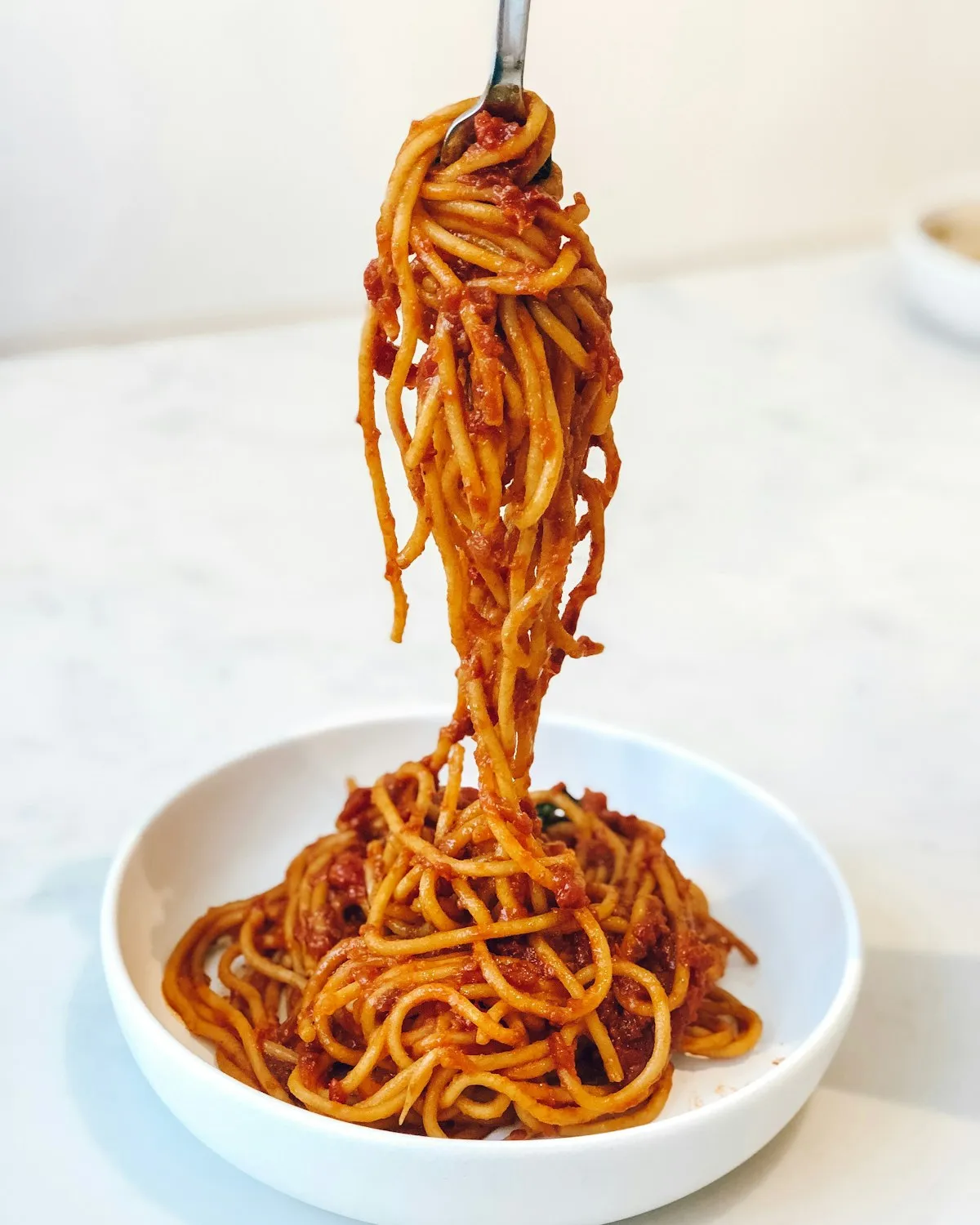
Let’s be honest: the hardest part about diving into a low-carb lifestyle isn't the lack of sugar: it’s the absence of comfort. We’ve all been there, staring longingly at a box of elbow macaroni while nibbling on a piece of jerky. But here’s a secret I’ve learned in my kitchen: you don’t need the pasta to get that gooey, soul-warming satisfaction. My keto cauliflower mac and cheese is the ultimate "I can't believe it's not pasta" dish that actually delivers on its promises.
The Chemistry of the Perfect Faux-Mac
The biggest mistake most people make when exploring keto recipes for beginners is treating cauliflower like a direct 1:1 substitute for pasta without accounting for its biology. Pasta is a starch sponge; it absorbs liquid and holds its shape. Cauliflower, on the other hand, is roughly 92% water. If you don't manage that moisture, your beautiful cheese sauce will transform into a sad, watery soup before you even get the dish to the table.
To achieve that legendary "mac" texture, you must master the art of the dry-roast. Boiling cauliflower is a rookie move. When you boil the florets, you’re essentially filling an already water-heavy vegetable with even more liquid. Instead, roast those florets until they’re tender and slightly charred. This process triggers the Maillard reaction, giving the cauliflower a nutty depth that complements the sharp cheese. More importantly, roasting evaporates the internal moisture, creating "pockets" in the vegetable's structure that are ready to be filled with your rich, velvety sauce.
Now, let’s talk about the sauce. Traditional mac and cheese relies on a roux: a mixture of flour and butter: to thicken the milk. Since flour is off the table, we turn to the science of emulsification and reduction. A high-quality keto sauce relies on heavy cream and the natural proteins found in hard cheeses. When you simmer heavy cream, you’re reducing the water content and concentrating the milk fats and solids.
Avoid pre-shredded cheese at all costs. I’m serious about this. Pre-packaged shredded cheese is coated in potato starch or cellulose to prevent clumping in the bag. That starch will turn your keto sauce grainy and dull. Grate your own sharp cheddar and Gruyère. The natural fats in hand-grated cheese emulsify beautifully into the hot cream, creating a glossy, stable sauce that clings to the cauliflower like a dream. If your sauce feels a bit stubborn, a pinch of mustard powder acts as a natural emulsifier, helping the fats and liquids play nice together.
Flavor Variations for the Bold
Once you’ve nailed the basic technique, it’s time to start experimenting with flavor profiles. The beauty of cauliflower is its neutrality; it’s a blank canvas waiting for your creative input.
If you want to lean into the smoky side of life, fold in some crispy, thick-cut bacon bits and a teaspoon of smoked paprika. The fat from the bacon integrates with the cheese sauce, adding a layer of savory complexity that makes the dish feel incredibly indulgent. For those who like a bit of heat, diced jalapeños or a swirl of buffalo sauce can cut through the richness of the cream, providing a necessary zing that wakes up the palate.
Another fantastic variation for those just starting with keto recipes for beginners is the Mediterranean twist. Swap out the cheddar for a mix of fontina and parmesan, and stir in some sun-dried tomatoes and fresh basil. The acidity from the tomatoes provides a brilliant counterpoint to the heavy fats in the sauce. If you’re looking for a one-pan meal, you can even toss in some pre-cooked shredded chicken or blackened shrimp. Just ensure your protein is relatively dry before adding it to the mix to avoid thinning out that carefully crafted sauce.
Balancing the Plate: Side Dish Pairings
Because this dish is naturally heavy on fats and proteins, your side dishes need to do some heavy lifting in the acidity and crunch departments. You want something that cleanses the palate between bites of cheesy goodness.
A bright, acidic arugula salad is my go-to. Toss the greens in a simple lemon-tahini dressing or a sharp red wine vinaigrette. The peppery bite of the arugula and the citrusy zip of the lemon slice right through the richness of the Mornay sauce. Alternatively, consider a side of quick-pickled red onions or cucumbers. The fermentation-like tang of a quick pickle provides a sharp contrast that makes each bite of the "mac" feel as fresh as the first.
Avoid starchy sides (obviously) but also steer clear of other heavy, cream-based vegetables. You don't want a plate of "mush on mush." Think contrast. Think crisp. A simple plate of steamed green beans with a hint of garlic and a dash of red pepper flakes offers the structural integrity and brightness needed to balance the soft, decadent texture of the cauliflower bake.
Frequently Asked Questions
Why did my sauce turn out grainy?
Grainy sauce is usually the result of two things: high heat or pre-shredded cheese. If you boil the sauce after adding the cheese, the proteins will clump together and separate from the fats. Always add your cheese over low heat and stir until just melted. Also, as mentioned earlier, stop using the bagged stuff! The anti-caking agents in pre-shredded cheese are the enemies of a smooth sauce.
Can I use frozen cauliflower for this?
You can, but you shouldn't if you want the best results. Frozen cauliflower is blanched before freezing, which breaks down the cell walls and traps moisture. If you must use it, thaw it completely and squeeze it in a clean kitchen towel until it’s as dry as a bone before roasting it. Even then, fresh cauliflower will always provide a superior, "al dente" bite.
How do I store and reheat leftovers?
Keto mac and cheese stores well in an airtight container for up to three days. However, reheating can be tricky because the fats tend to separate. Avoid the microwave if possible. Instead, place the leftovers in a small oven-safe dish, add a splash of heavy cream to help re-emulsify the sauce, and heat it in the oven or an air fryer at 350°F until bubbling.
Can I make this ahead of time?
Yes! You can prep the cauliflower and the sauce separately a day in advance. Store them in the fridge, then combine and bake when you’re ready to serve. This is a lifesaver for busy weeknights when you want a gourmet meal without the hour-long prep time.
Is this actually healthy for a beginner?
When you're looking for keto recipes for beginners, it's easy to get overwhelmed by macros. This dish is high in healthy fats and fiber while keeping the net carbs incredibly low. It’s a "real food" approach to weight management that doesn't feel like a sacrifice. For more simple and soulful ideas, check out the rest of our collection at Cookpedia.
Mastering this dish is a rite of passage for any home cook looking to reclaim their favorite comfort foods. Treat the ingredients with respect: especially that cauliflower: and you'll never look back at the boxed stuff again. Use your intuition, trust the science of the sauce, and most importantly, enjoy every cheesy bite.