Recipe
Servings
Servings 1×
Ingredients
- Chicken
- Salmon
- Pork
- Steak
- Pasta
- Noodles
- Rice
- Eggs
- Potatoes
- Cauliflower
- Broccoli
- Carrots
- Zucchini
- Spinach
- Avocado
- Onion
- Garlic
- Lemon
Method
- Prepare the ingredients described in the article and heat the cooking surface or oven as directed.
- Cook the main ingredients using the heat and timing guidance in the article.
- Finish with the seasonings and garnishes named in the article, then serve.
Welcome to the world of high-fat, low-carb living, where we finally stop apologizing for the extra dollop of butter. If you’ve spent most of your life being told that fat is the enemy, flipping the script can feel like a total culinary revolution. But here’s the best part: keto doesn’t have to mean spending four hours in the kitchen prepping obscure ingredients that you can only find in a specialty health shop. In this guide, I’m going to show you how to master the art of keto cooking without losing your mind: or your entire evening. We’re focusing on healthy dinner ideas that use real food to get you real results.
The Science of Fat: Why Ketosis Actually Works
Before you start throwing bacon at everything, let's talk about the "why" behind the sizzle. Most of our lives, our bodies have been running on glucose, basically sugar from carbohydrates. When you drastically cut those carbs, your body experiences a metabolic shift. Your liver begins breaking down fat into molecules called ketones, which become your primary fuel source. This state is called ketosis. It’s like switching your car from cheap, flickering gas to high-octane premium fuel.
The main goal is to keep your insulin levels low and stable. Insulin is the hormone that tells your body to store fat; when insulin is low, your body is much more willing to release those fat stores for energy. This is the secret sauce behind why so many people feel consistent energy on keto instead of the mid-afternoon "I need a nap" crash.
To stay in this state, you need to master the keto macro balance. Think of it as a three-legged stool. The first leg is fat, which should make up about 60–80% of your daily intake. Fat isn't just a topping; it’s your energy. The second leg is protein, kept moderate (around 20–30%) to maintain muscle mass without overstimulating insulin. The third leg is the tiny one: carbs, limited to about 5–10% of your total calories.
When you're putting together quick family meals, the technique is simple: prioritize a high-quality protein, surround it with low-carb fibrous vegetables, and finish with a healthy fat. Use high-heat cooking methods like searing or roasting. Why? Because the Maillard reaction: that beautiful browning on a steak or piece of salmon: creates deep, complex flavors that compensate for the lack of sugary glazes or starchy sides. Always use acidity to cut through the richness. A squeeze of lemon or a splash of vinegar can transform a heavy, fatty dish into something vibrant and balanced.
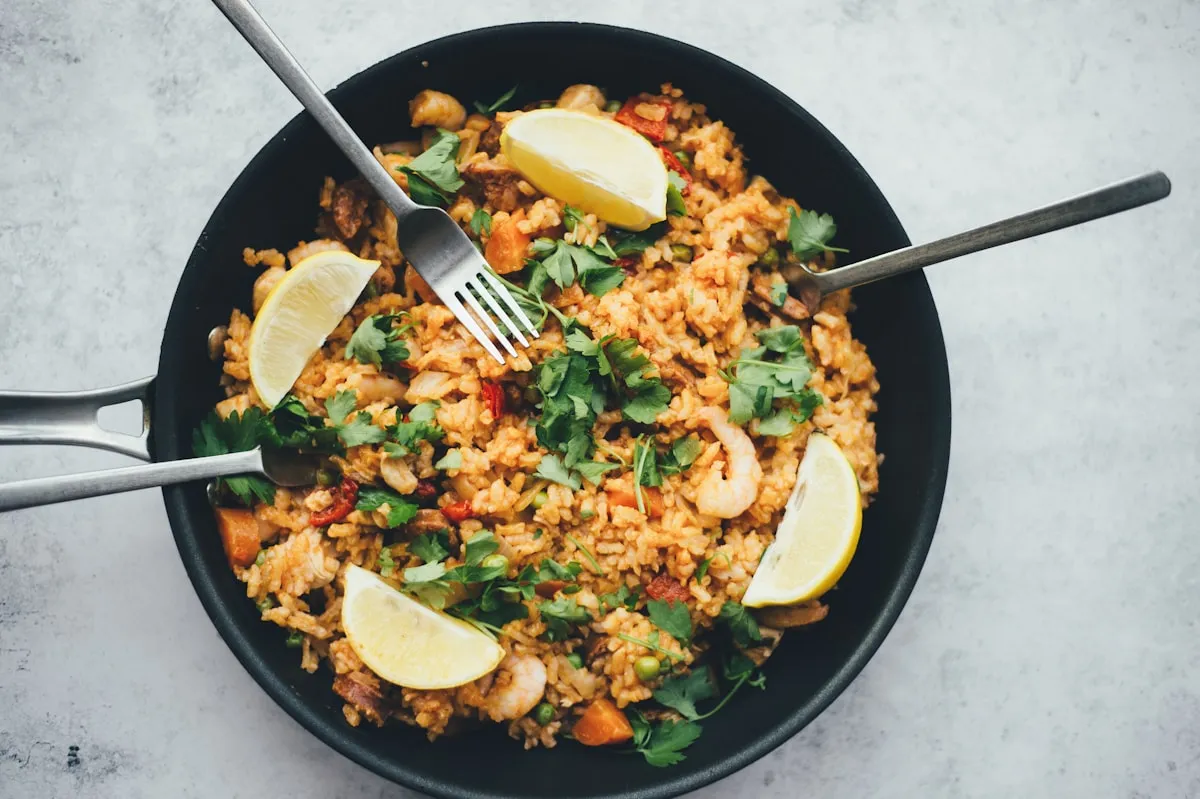
Mastering the Speed: Efficiency in the Keto Kitchen
Let’s be honest: the reason most diets fail isn’t a lack of willpower; it’s a lack of time. If you want to succeed, you need to lean into efficiency. One of my favorite shortcuts involves utilizing air fryer recipes dinner style. The air fryer isn't just for frozen snacks; it’s a keto powerhouse because it circulates hot air to crisp up fats and proteins perfectly without needing a deep vat of oil. It’s basically a high-speed convection oven that lives on your counter.
When you’re in a rush, treat your kitchen like a production line. Batch-cook your proteins. Grill six chicken thighs or roast a large tray of salmon on Sunday, and you’ve already won half the battle for Monday and Tuesday. You can check out our 15-minute meals for more inspiration on how to get in and out of the kitchen fast.
Another pro tip: embrace the "one-pan" philosophy. Throw your protein and your low-carb veggies on a single sheet pan or into a skillet together. The fats from the meat will season the vegetables, and you’ll only have one dish to wash. It’s the ultimate hack for one-pot meals that don't compromise your macros. Avoid the temptation to buy "keto-labeled" processed snacks. Stick to the perimeter of the grocery store where the real food lives: meats, eggs, dairy, and leafy greens.
Flavor Profiles and Variations: Keeping it Fresh
One of the biggest mistakes beginners make is eating the same grilled chicken and broccoli every single night. Boring food is the enemy of consistency. You need to rotate your flavors to keep your palate interested.
Think about global cuisines that naturally lean into the keto framework. Mediterranean flavors are a goldmine: think olives, feta cheese, and olive oil paired with roasted lamb or sea bass. Or go with a Mexican-inspired theme using air fryer recipes dinner staples like seasoned ground beef, avocado, and heavy cream.
Vary your textures, too. Since we’ve removed the crunch of croutons and breaded coatings, you need to find crunch elsewhere. Toasted pumpkin seeds, sliced almonds, or even crispy baked cheese crisps can provide that satisfying "snap" that makes a meal feel complete. If a dish feels too heavy, add fermented foods like pickles or kimchi. Not only do they provide a sharp flavor contrast, but they also support gut health, which can sometimes be a bit sluggish when you first transition to a high-fat diet.
Perfect Pairings: The Side Dish Strategy
The secret to making quick family meals work for everyone: including those not on the keto train: is the side dish strategy. You cook one main protein and then vary the sides. For you, the side is a low-carb masterpiece; for the rest of the family, you can easily boil a small pot of pasta or rice on the side.
- The MVP: Cauliflower Rice. It absorbs flavors like a sponge. Sauté it in butter with garlic and onion, and you won’t even miss the grain.
- The Classic: Zucchini Noodles. Use a spiralizer or a vegetable peeler to create "zoodles." They need only about 2 minutes in a pan: any longer and they turn into mush.
- The Refresh: Arugula Salad. A simple bed of peppery arugula with a high-quality vinaigrette is the perfect way to balance a rich, fatty main course like a ribeye or pork belly.
Focus on "non-starchy" vegetables. If it grows above the ground, it’s usually safe. If it grows below the ground (like potatoes or carrots), proceed with caution as they tend to be higher in sugar and starch.
Common Hurdles and FAQ
What is the "Keto Flu" and how do I avoid it?
When you cut carbs, your body sheds a lot of water weight, and with that water go your electrolytes: specifically sodium, potassium, and magnesium. This can lead to headaches and fatigue. The fix? Salt your food generously and stay hydrated. Drink a cup of bone broth if you feel a headache coming on.
Can I eat too much protein?
There’s a common myth that too much protein will turn into sugar through a process called gluconeogenesis and kick you out of ketosis. In reality, your body is much smarter than that. While you shouldn't eat only protein, you don't need to fear a large chicken breast. Focus more on keeping your carbs low and your healthy fats high.
Do I need to track every single calorie?
For beginners, I recommend focusing on "Net Carbs" first (Total Carbs minus Fiber). Once you get the hang of what 20-50g of carbs looks like, you can start being more mindful of total calories if your weight loss stalls.
What are the best healthy dinner ideas for a tight budget?
Eggs are your best friend. A three-egg omelet with spinach and feta is a gourmet keto dinner that costs pennies. Also, look for cheaper cuts of meat like chicken thighs or ground beef: they actually have a better fat-to-protein ratio for keto than expensive lean cuts like chicken breast or filet mignon.
By sticking to these simple principles: low carb, moderate protein, and high healthy fats: you’ll find that keto isn’t just a diet, but a sustainable way to enjoy delicious, real food. Now, grab your skillet and get cooking!
{“@type”:”BlogPosting”,”image”:[“https://cdn.marblism.com/l_bkmSL6M_s.webp”,”https://cdn.marblism.com/12r8srAgQIz.webp”,”https://cdn.marblism.com/p1KvqGXbDqO.webp”,”https://cdn.marblism.com/4UxwlLsvBty.webp”,”https://cdn.marblism.com/HXgr9RYND-z.webp”],”author”:{“name”:”Cookpedia”,”@type”:”Organization”},”@context”:”https://schema.org”,”headline”:”Keto 101: A Beginner’s Guide to Mastering Quick Weeknight Dinners”,”publisher”:{“logo”:{“url”:”https://cookpedia.com/logo.png”,”@type”:”ImageObject”},”name”:”Cookpedia”,”@type”:”Organization”},”description”:”Learn the essentials of starting a keto diet with our comprehensive guide to quick weeknight dinners. Discover the science of ketosis, time-saving techniques, and delicious meal ideas.”,”datePublished”:”2026-07-03″,”mainEntityOfPage”:{“@id”:”https://cookpedia.com/keto-101-beginners-guide”,”@type”:”WebPage”}}