Recipe
Servings
Servings 1×
Prep 15 minTotal 15 min
Ingredients
- Chicken
- Salmon
- Shrimp
- Cod
- Tofu
- Chickpeas
- Pasta
- Noodles
- Rice
- Broccoli
- Spinach
- Greens
- Garlic
- Fresh ginger
- Lemon
- Cooking oil
- Sesame
- Salt
Method
- Heat moves through food from the outside in.
- Slice your proteins into thin strips or small cubes.
- Cook in batches if you must, or use a large enough surface so that every piece of food has its own space to sizzle.
- Use the minutes while your pan is heating to prep.
- Pat them dry before they hit the oil, water is the enemy of a fast sear.
You have probably heard the rumors: home cooking is a dying art, and we have all traded our spatulas for delivery apps. But if you look at your own kitchen counter on a Tuesday night at 6:30 PM, you know that isn’t the whole story. We aren’t cooking less; we are cooking differently. The 15-minute meal isn’t dead, it has just evolved into a science. You don't need a three-hour window to create something soulful; you just need to understand the physics of flavor and the speed of heat.
The Physics of the Flash-Cook
To master the 15-minute window, you have to stop thinking about recipes and start thinking about surface area. This is the fundamental "why" behind the fastest meals. Heat moves through food from the outside in. If you throw a whole chicken breast into a pan, you are waiting for heat to travel through inches of dense protein. By the time the center is safe, the outside is leather.
Instead, use the "Thin-and-Wide" rule. Slice your proteins into thin strips or small cubes. When you increase the surface area, you allow more of the food to contact the heat source simultaneously. This is why a stir-fry is a champion of quick family meals. In a blistering hot skillet, thin slices of beef or tofu reach the perfect temperature in under three minutes because the heat only has to travel a few millimeters to reach the core.
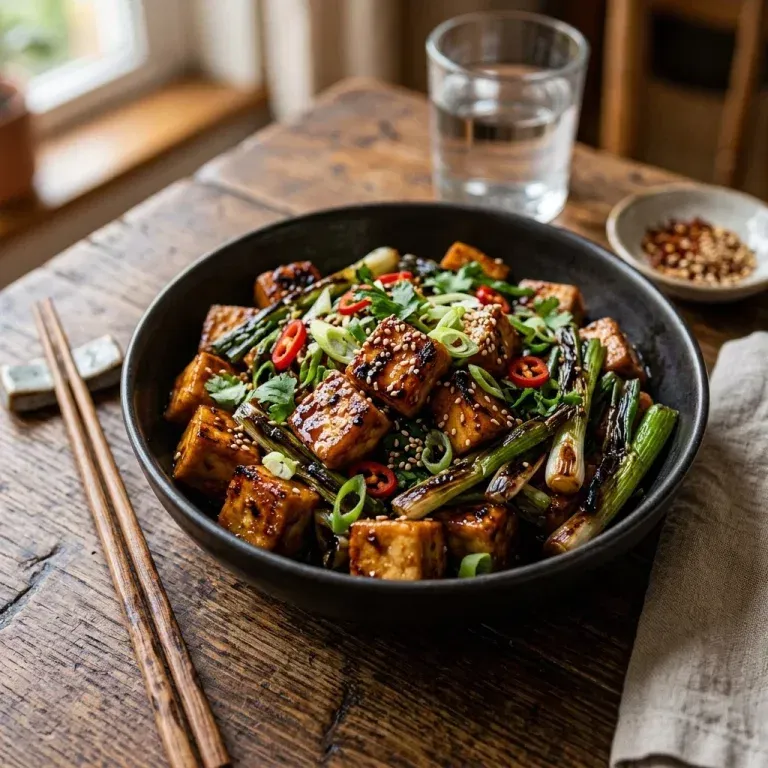
Avoid overcrowding your pan. This is a non-negotiable. If you pile too many ingredients into one skillet, the temperature of the metal drops instantly. Instead of searing (which creates the Maillard reaction, that deep, savory "browned" flavor), your food begins to steam in its own moisture. Steamed meat is gray, rubbery, and sad. Cook in batches if you must, or use a large enough surface so that every piece of food has its own space to sizzle.
Check your heat source too. For a fast dinner, conduction is your best friend. A heavy-bottomed pan or a cast iron skillet retains heat much better than thin aluminum. This steady energy transfer means your food cooks predictably and rapidly. If you are leaning on technology, remember that air fryer recipes dinner enthusiasts have it right: the high-speed convection (circulating hot air) mimics the efficiency of a deep fryer without the oil bath, cutting cook times for things like salmon or sausages in half compared to a standard oven.
Finally, embrace the "Par-Cook" philosophy. Use the minutes while your pan is heating to prep. Don't wait for everything to be chopped before you start. Aromatics like garlic and ginger can go in first; while they soften and scent the oil, you finish slicing the peppers. This overlapping workflow is the only way to keep your total time under that 15-minute mark.
Mastering the Variation Game
Once you understand the technique, you can pivot based on your dietary needs without losing the speed. The beauty of a quick-cook approach is that it works across the board.
For healthy dinner ideas that lean into plant-based territory, focus on legumes and firm proteins. Canned chickpeas are a miracle of modern convenience; they are already cooked, so you are only looking for a crisp exterior and a flavor infusion. Pat them dry before they hit the oil, water is the enemy of a fast sear. If you are going keto, ditch the noodles for zoodles or a bed of sautéed spinach. Spinach wilts in about 60 seconds, making it the fastest base in the culinary world.
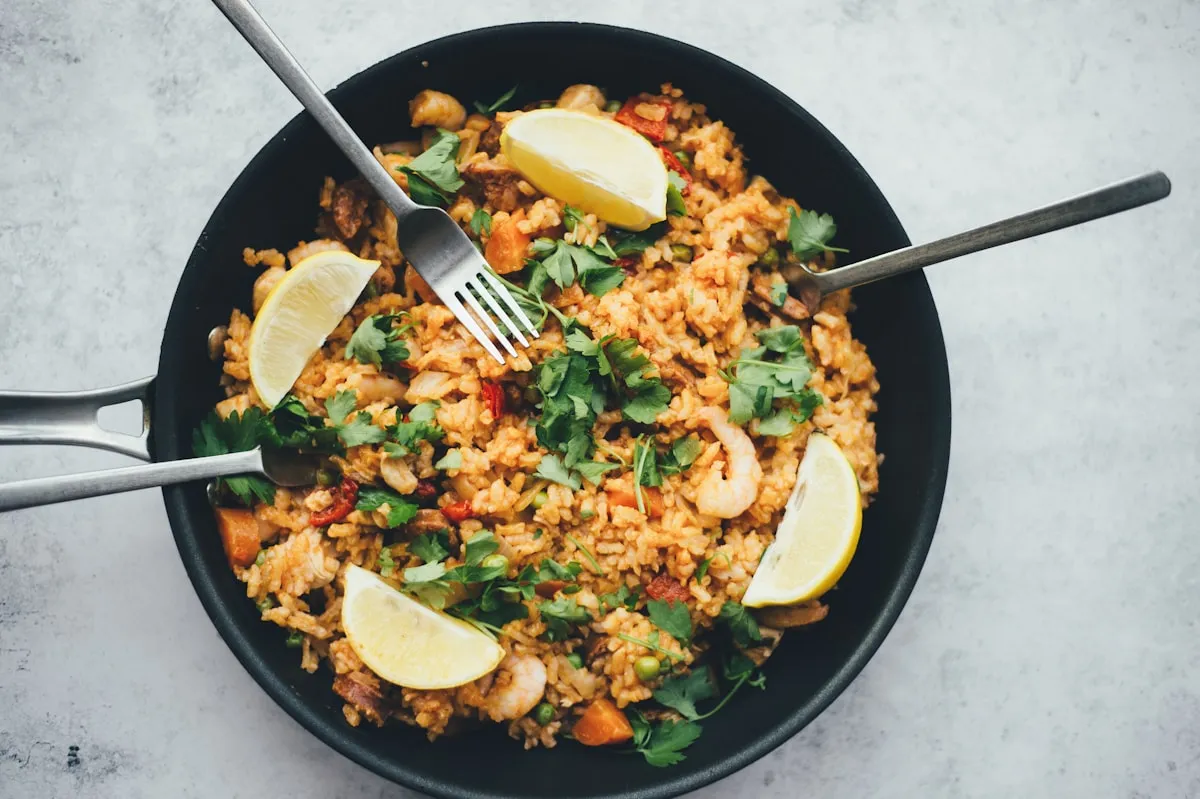
If you crave something more substantial, seafood is your cheat code. Shrimp and thin white fish like tilapia or cod are structurally delicate. They require very little energy to break down their proteins, meaning they go from raw to perfectly opaque in a heartbeat. You can find plenty of inspiration for these in our 15-minute meals category.
Balancing the Plate: Side Dish Pairings
A 15-minute main dish needs a partner that doesn't drag its feet. The goal here is balance, usually acidity or freshness to cut through the richness of a seared protein.
- The 3-Minute Slaw: Use a bag of pre-shredded cabbage and toss it with rice vinegar, a drop of sesame oil, and a pinch of salt. The acidity cleanses the palate between bites of a savory stir-fry.
- The Flash-Steamed Green: Put broccoli florets in a bowl with a splash of water, cover with a plate, and microwave for 2 minutes. Toss with lemon juice and flaky salt.
- The Instant Grain: If you didn't prep rice ahead of time, look for pre-cooked pouches or use couscous. Couscous isn't a grain; it's tiny pasta that cooks simply by sitting in boiled water for 5 minutes while you plate your main.
These quick additions ensure your quick meals feel like a complete, intentional dinner rather than a panicked snack.
Frequently Asked Questions
What if I forgot to defrost my protein?
Science says: do not try to "flash cook" a frozen block of meat. The outside will burn before the inside reaches a safe temperature. However, you can safely quick-thaw thin cuts (like shrimp or thin fish) in a bowl of cold water for 10 minutes. If you are truly in a bind, use eggs. A frittata or shakshuka is the ultimate "emergency" 15-minute meal that requires zero thawing.
Can I really get "real food" flavor in 15 minutes?
Absolutely, but you have to use "flavor bombs." Because you aren't simmering a sauce for three hours, you need ingredients that pack a punch in small doses. Use fermented products like miso, soy sauce, or kimchi. Use fresh citrus zest right at the end. These provide the complexity that usually takes time to develop. Check out our healthy section for more high-flavor, low-time tips.
Does the 15 minutes include the prep time?
On this blog, when I say 15 minutes, I mean the time from when you pull the cutting board out to when you sit down. The trick is "parallel processing." If your recipe requires boiling water, that pot should be on the stove before you even peel an onion. Every second the stove is idle is a second added to your clock.
Is it cheaper to cook these fast meals than to order out?
Almost always. The "convenience tax" on delivery is massive. By keeping a "speed pantry", items like canned beans, dry pasta, frozen peas, and jarred pesto, you can whip up a meal for a fraction of the cost of a "fast food" burger, and it will be significantly better for your body.
Can I scale these recipes for a large family?
Yes, but you need more surface area. If you are cooking for six, a single 10-inch skillet won't cut it. Use two pans or a massive griddle. If you crowd the pan to save space, you'll end up with a watery stew instead of a crisp sauté. Use your air fryer for a secondary component (like roasting veggies) to keep the workflow moving.
The "death" of home cooking has been greatly exaggerated. We are simply becoming more efficient. By leaning into the science of heat and the strategy of prep, you can reclaim your evenings without sacrificing the quality of what's on your fork.
{“@type”:”BlogPosting”,”image”:”https://cdn.marblism.com/Tl8wlyQwSZW.webp”,”author”:{“name”:”Penny”,”@type”:”Person”},”faqPage”:{“@type”:”FAQPage”,”mainEntity”:[{“name”:”What if I forgot to defrost my protein?”,”@type”:”Question”,”acceptedAnswer”:{“text”:”Do not try to flash cook frozen meat. Quick-thaw thin cuts in cold water for 10 minutes or use eggs for a truly instant meal like a frittata.”,”@type”:”Answer”}},{“name”:”Can I really get real food flavor in 15 minutes?”,”@type”:”Question”,”acceptedAnswer”:{“text”:”Yes, by using flavor bombs like miso, soy sauce, and citrus zest that provide immediate complexity without long simmering times.”,”@type”:”Answer”}},{“name”:”Does the 15 minutes include prep time?”,”@type”:”Question”,”acceptedAnswer”:{“text”:”Yes, through parallel processing—starting the stove and heating water while you chop ingredients.”,”@type”:”Answer”}}]},”@context”:”https://schema.org”,”headline”:”Are 15-Minute Meals Dead? Do People Still Cook at Home?”,”publisher”:{“logo”:{“url”:”https://cookpedia.com/logo.png”,”@type”:”ImageObject”},”name”:”Cookpedia”,”@type”:”Organization”},”description”:”Discover why 15-minute meals are more relevant than ever in 2026. Learn the science of fast cooking, heat transfer tips, and how to master quick family meals.”,”datePublished”:”2026-07-03″,”mainEntityOfPage”:{“@id”:”https://cookpedia.com/are-15-minute-meals-dead”,”@type”:”WebPage”}}