Recipe
Servings
Servings 1×
Ingredients
- Eggs
- Bread
- Corn
- Honey
- Cream
- Butter
- Cooking oil
- Salt
Method
- Prepare the ingredients described in the article and heat the cooking surface or oven as directed.
- Cook the main ingredients using the heat and timing guidance in the article.
- Finish with the seasonings and garnishes named in the article, then serve.
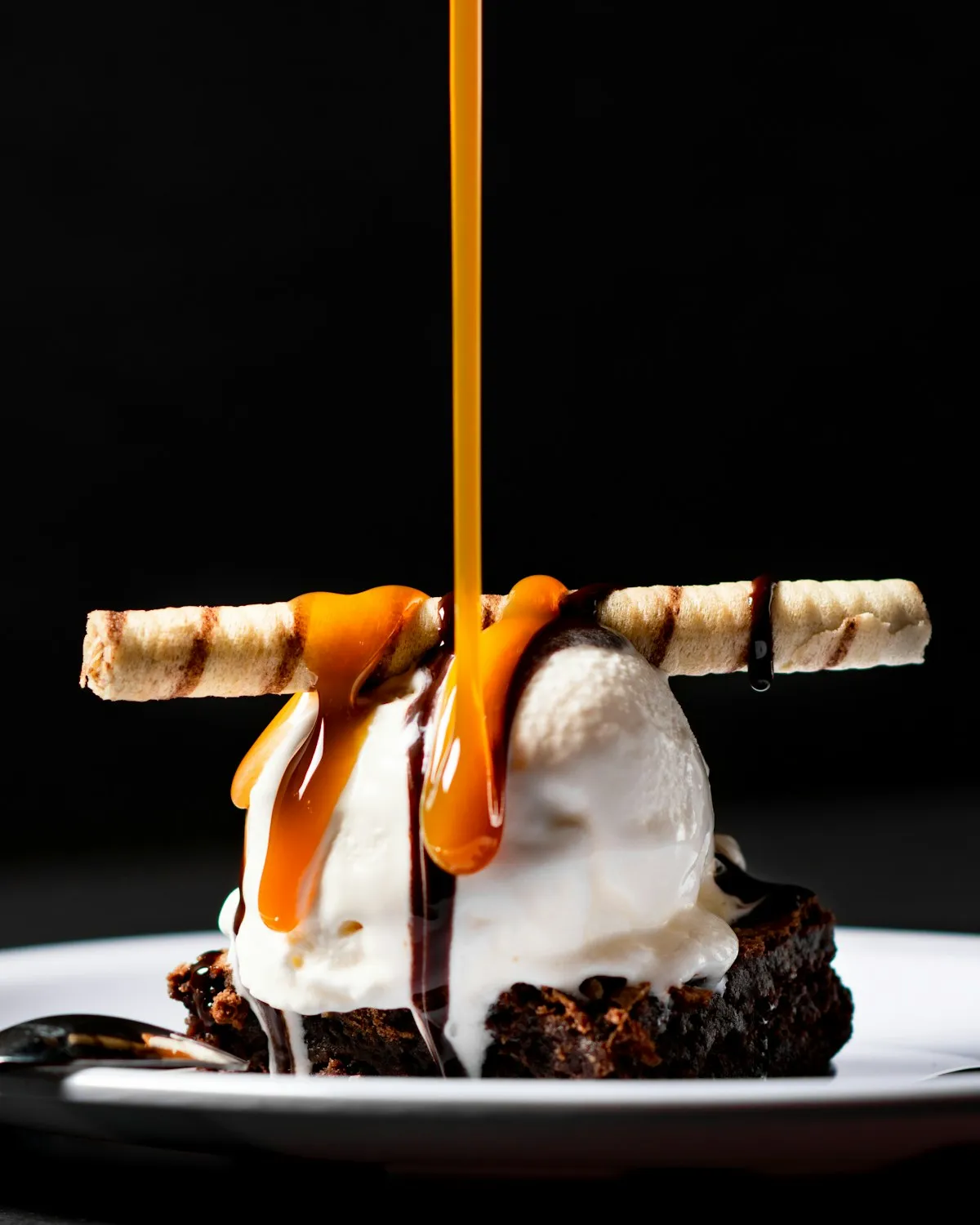
If you have ever bitten into a brownie and felt that disappointing, sponge-like "cakey" texture, you know the pain of a bake gone wrong. We aren't here for chocolate cake disguised as a square; we are here for that dense, teeth-sticking, fudgy chew that only comes from understanding the molecular heavy lifting of your ingredients. Specifically, we are talking about hygroscopy, the secret weapon that separates a mediocre snack from a legendary dessert.
While I usually spend my week obsessed with finding the best air fryer recipes dinner solutions or quick family meals that save my sanity, baking is where I let my inner mad scientist run wild. If you want a brownie that stays moist for days and has a structural integrity that defies gravity, you need to master the art of water management.
The Molecular Pull: Why Sugar is a Humectant
In the world of baking, sugar is often misunderstood as a simple sweetener. In reality, sugar is a humectant. This means it is hygroscopic, it literally has a physical attraction to water molecules and pulls them from the atmosphere and the surrounding batter. When you mix sugar into your brownie base, it isn't just sitting there being sweet; it is actively binding with the water in your eggs and butter.
The Molasses Factor
Use brown sugar if you want to maximize chewiness. This isn't just about the flavor profile of caramel and toffee; it is about the molasses coating every grain of sugar. Molasses is a complex mixture of sucrose, glucose, and fructose, making it even more hygroscopic than pure white granulated sugar. By swapping a portion of your white sugar for dark brown sugar, you increase the moisture-retention capacity of the brownie. This prevents the water from evaporating too quickly in the oven, ensuring the final result is dense and fudgy rather than dry and crumbly.
Solubility and Recrystallization
Avoid over-creaming your butter and sugar for brownies. Unlike making a fluffy sponge cake where you want to trap air, brownies rely on a saturated solution of sugar. When you melt the butter and sugar together, you create a syrup-like consistency. As the brownies bake and subsequently cool, the sugar doesn't fully recrystallize into a hard structure because the hygroscopic nature of the brown sugar keeps enough water present to maintain a pliable, chewy matrix. This is the same principle I apply when looking for healthy dinner ideas that focus on texture, it’s all about managing the moisture.
The Role of Salt in Starch Gelatinization
Don't view salt as optional. Beyond balancing the intense sweetness of the caramel, salt plays a role in the structural development of the brownie. It interacts with the flour's proteins, but more importantly, it sharpens the flavor perception of the chocolate by suppressing bitterness. In a high-sugar environment, salt helps regulate the rate at which the starches in the flour gelatinize, ensuring the brownie sets with a uniform, fudgy texture rather than having a gummy center and over-baked edges.
Mastering the Texture: Tips and Technique
If you want to achieve the "perfect" brownie, you have to treat your kitchen like a laboratory. Precision in temperature and the order of operations determines whether your hygroscopic ingredients work for you or against you.
- Melt, don't cream. Stop using the paddle attachment to whip air into your butter. Air is the enemy of the fudgy brownie. Melt your fats and sugars together until they form a glossy, homogenous emulsion. This ensures that the sugar is properly dissolved and ready to hold onto moisture.
- Use high-fat cocoa powder. Choose a Dutch-processed cocoa with at least 20-22% fat content. The higher lipid content interferes with gluten formation, keeping the crumb tender. Since we are leaning on hygroscopy to keep the brownie moist, we need the fats to provide the "slip" and richness.
- Check your oven temperature. Use an oven thermometer. Even a five-degree variance can cause the water molecules bound by the sugar to vibrate and evaporate too quickly, leading to a "cakey" texture. You want a slow, steady heat that allows the edges to set while the center remains a concentrated zone of sugar-bound moisture.
- The "Pan Bang" method. Halfway through baking, lift the pan and drop it flat against the oven rack. This collapses any air bubbles that have formed, further densifying the structure. This is a non-negotiable step for that iconic crinkly, paper-thin top crust.
- Be patient with the cool-down. Allow the brownies to cool completely in the pan. This is where the magic happens. As the temperature drops, the hygroscopic sugars continue to settle and pull moisture back into the center of the brownie, "setting" the fudge. If you cut into them while they are hot, the steam escapes, and you lose that precious moisture forever.
While you might be looking for quick family meals that take 20 minutes, these brownies are a lesson in delayed gratification. The science of hygroscopy works best when given time to stabilize.
Scientific Variations for Different Palates
While the salted caramel brownie is the gold standard for chewiness, you can tweak the chemistry to suit your preferences.
- The Invert Sugar Swap: Replace a tablespoon of sugar with honey or corn syrup. These are "invert sugars" and are extremely hygroscopic. They will produce a brownie that is almost candy-like in its chewiness. Be careful, though; too much will make the brownies greasy.
- The Flour Variable: Use bread flour instead of all-purpose if you want a "tougher" chew. The higher protein content in bread flour creates a stronger gluten network, which, when combined with high-moisture sugar, results in a brownie that has a serious "bite" to it.
- Fat Substitution: Swap some butter for neutral oil. While butter provides flavor through milk solids, oil is 100% fat and remains liquid at room temperature. This results in a brownie that feels moister on the tongue, even if it has technically the same water content.
Side Dish Pairings: Balancing the Richness
A brownie this dense and scientifically optimized needs a companion that respects its complexity. We are looking for acidity and temperature contrast to prevent palate fatigue.
- Crème Fraîche or Greek Yogurt: The lactic acid in these dairy products cuts straight through the heavy lipids and intense sugar of the brownie. It provides a refreshing "reset" for your taste buds.
- Tart Berry Coulis: Raspberries or blackberries offer a bright, acidic punch. The tannins in the berries also complement the deep notes of the cocoa.
- Cold-Brew Coffee: If you want to lean into the science, coffee contains bitter alkaloids that balance the sweetness. A cold-brew, specifically, has lower acidity than hot coffee, making it a smoother pairing for the salted caramel.
When I’m planning my week and looking for healthy dinner ideas, I usually go for light salads, but for dessert, I want something that feels like a reward. These pairings ensure you can actually finish the brownie without feeling overwhelmed by the sugar.
FAQ: Solving the "What If" Scenarios
Why did my brownies turn out like cake instead of fudge?
You likely incorporated too much air or used too much flour. When you beat eggs and sugar together for too long, you create a meringue-like structure that traps air, causing the brownie to rise like a cake. Also, if you didn't use enough hygroscopic sugar (like brown sugar), the water in the batter evaporated instead of staying bound to the crumb.
Can I make these in an air fryer?
While I love air fryer recipes dinner style, baking brownies in an air fryer is tricky. The intense convection heat can set the top too quickly before the center has a chance to develop. If you must try it, lower the temperature significantly and cover the pan with foil to prevent the top from burning while the hygroscopic magic happens underneath.
My caramel sunk to the bottom and burnt. What happened?
This is a matter of density and viscosity. If your caramel was too thin or your brownie batter was too aerated, the caramel would simply drop through the batter. Ensure your caramel is chilled or thick before swirling, and don't over-mix the two. You want distinct "pockets" of caramel, not a homogenous mixture.
How do I get that shiny, paper-thin crinkle top?
That top is actually a thin layer of meringue. It happens when the sugar dissolves completely into the egg whites. To guarantee this, whisk your sugar and eggs together vigorously until the mixture is pale and "ribbon-like" before adding the chocolate and fats. This ensures the sugar is fully available to form that delicate crust.
Why is sea salt better than table salt for the topping?
Table salt is fine-grained and dissolves instantly. Sea salt flakes have a larger surface area and don't dissolve as quickly on the surface of the brownie. This provides a "pop" of salinity that contrasts with the sweet caramel, rather than just making the whole brownie taste salty.
Can I store these in the fridge?
Yes, and you should! Because of the high sugar and fat content, these brownies become incredibly dense and chewy when cold. The hygroscopic sugars will keep them from drying out in the refrigerator's dry environment for up to a week.