Recipe
Servings
Servings 1×
Ingredients
- Chicken
- Salmon
- Pork
- Steak
- Tofu
- Pasta
- Rice
- Potatoes
- Sweet potatoes
- Cauliflower
- Broccoli
- Carrots
- Mushrooms
- Spinach
- Apple
- Onion
- Garlic
- Lemon
Method
- Let’s fix those habits and get you back to enjoying the process.
- Give your ingredients room to breathe.
- Pat your proteins dry with a paper towel.
- Let the pan get hot first.
- Add your oil and wait for it to shimmer, that’s your signal that the pan is ready to work for you.
- Press that tofu to remove the water and sear it in a hot pan just like you would a piece of poultry.
We’ve all been there: you find a recipe labeled “quick” or “simple,” but forty-five minutes later, you’re staring at a gray, soggy pile of chicken that looks more like a science experiment gone wrong than a gourmet meal. It’s frustrating, right? You want easy dinner recipes that actually deliver on their promises. The truth is, most kitchen disasters aren’t about your lack of talent; they’re about a few fundamental scientific slips that turn a potential masterpiece into a mediocre mess. Let’s fix those habits and get you back to enjoying the process.
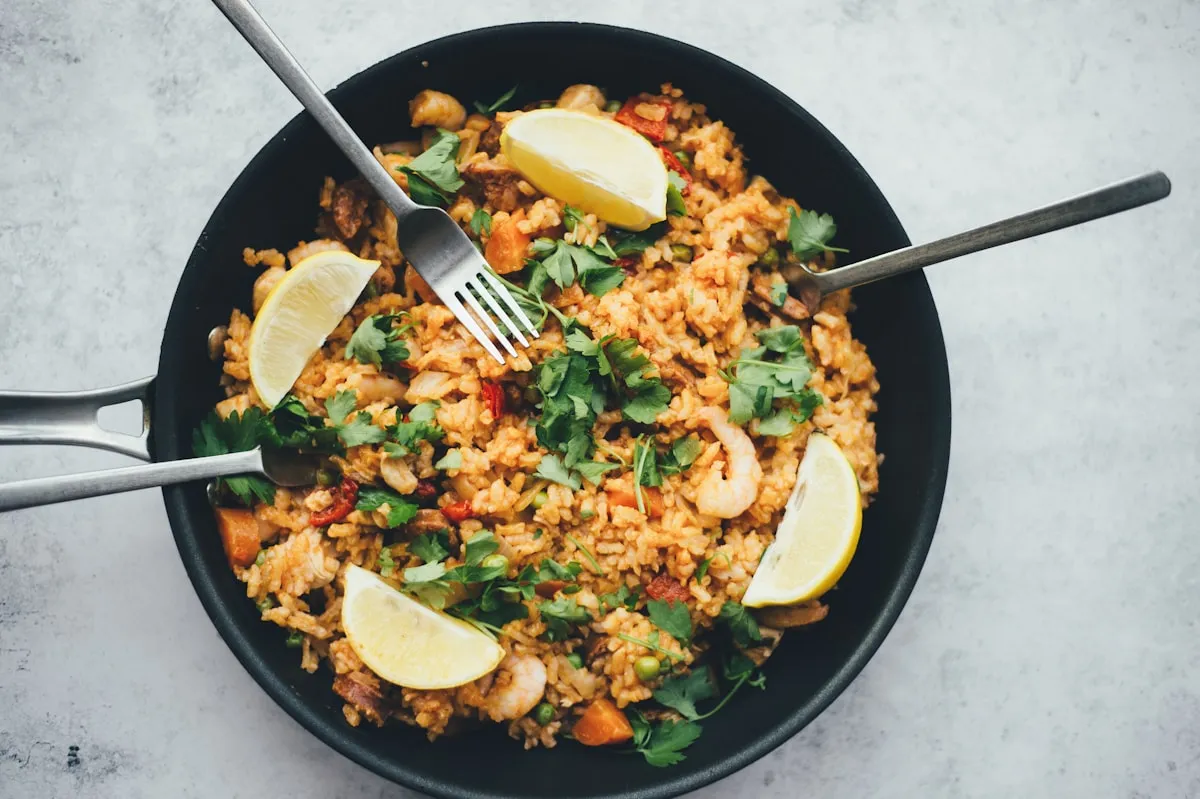
The Science of the Sear: Mastering the Maillard Reaction
If your meat looks pale and tastes "blah," you’re likely failing at the Maillard reaction. This is the chemical dance between amino acids and reducing sugars that happens when you apply high heat. It’s what creates that gorgeous brown crust and deep, savory flavor we all crave. To get it right, stop treating your pan like a storage unit.
Give your ingredients room to breathe. When you pack too much into a single skillet, you cause a massive temperature drop. Instead of the surface heat searing the food, the moisture trapped between the pieces turns into steam. Congratulations, you’re now steaming your dinner instead of frying it. If you’re making quick family meals for a large group, resist the urge to dump everything in at once. Cook in batches. It might seem like it takes longer, but the flavor payoff is exponential.
Moisture is the mortal enemy of the Maillard reaction. Water boils at 212°F, but the Maillard reaction doesn't really kick into high gear until you hit about 330°F. If your chicken breast is dripping with water or marinade, your stove has to spend all its energy boiling that water away before it can even start browning the meat. Pat your proteins dry with a paper towel. It’s a five-second step that changes everything.
Preheating is another non-negotiable. Don’t just turn on the flame and immediately toss in your oil and onions. Let the pan get hot first. Add your oil and wait for it to shimmer, that’s your signal that the pan is ready to work for you. If you add food to a cold pan, it will likely stick, and you’ll end up tearing the surface of your food when you try to flip it.
Speaking of flipping: stop touching the food. I know it’s tempting to poke, prod, and slide things around, but every time you move that steak or those mushrooms, you break the contact with the heat source. Leave it alone. The food will actually "release" itself from the pan once a proper crust has formed. If it’s sticking, it’s usually the pan’s way of telling you it isn’t finished yet.
Texture and Balance: Building Better Flavor Profiles
Most home cooks under-season, and they season at the wrong time. Stop seasoning the pan and start seasoning the food. When you sprinkle salt into a hot pan of oil, most of it stays in the oil or burns. Salt your meat or vegetables directly before they hit the heat. This allows the salt to dissolve into the surface moisture and penetrate the fibers, enhancing the natural flavor from the inside out.
Balance is the secret sauce of professional chefs. If a dish feels heavy or "flat," it’s usually not more salt you need; it’s acidity. A splash of lemon juice or a teaspoon of apple cider vinegar can cut through richness and make the flavors pop. This is particularly important for healthy dinner ideas where you might be using less fat and need other ways to build excitement on the tongue.
Smart Variations for Busy Weeknights
The beauty of mastering these techniques is that once you understand the "why," you can swap ingredients with total confidence. If a recipe calls for chicken but you only have tofu, the rules of the Maillard reaction still apply. Press that tofu to remove the water and sear it in a hot pan just like you would a piece of poultry.
For those looking for air fryer recipes dinner options, the science remains the same. The air fryer is essentially a high-powered convection oven. It relies on circulating hot air to strip away moisture and create a "fried" texture. Don't overcrowd the basket here either. If you layer your ingredients, the air can't circulate, and you'll end up with pockets of soggy food.
If you're following a specific dietary path, like our plant-based stir-fries, focus on the density of your vegetables. Harder vegetables like broccoli and carrots should hit the pan first, while delicate leafy greens like spinach should be tossed in at the very end to prevent them from turning into a mushy pile. For those on a keto journey, lean into the high-heat searing of proteins. A well-seared steak or salmon fillet doesn't need a heavy sauce if you've developed a deep crust through proper technique.
You can also experiment with "flavor boosters" like miso paste, soy sauce, or tomato paste. These ingredients are packed with umami, the fifth taste, which mimics the depth of slow-cooked meals in a fraction of the time. Just remember to sauté your tomato paste for a minute or two before adding liquids; this "cooks out" the raw metallic taste and sweetens the profile.
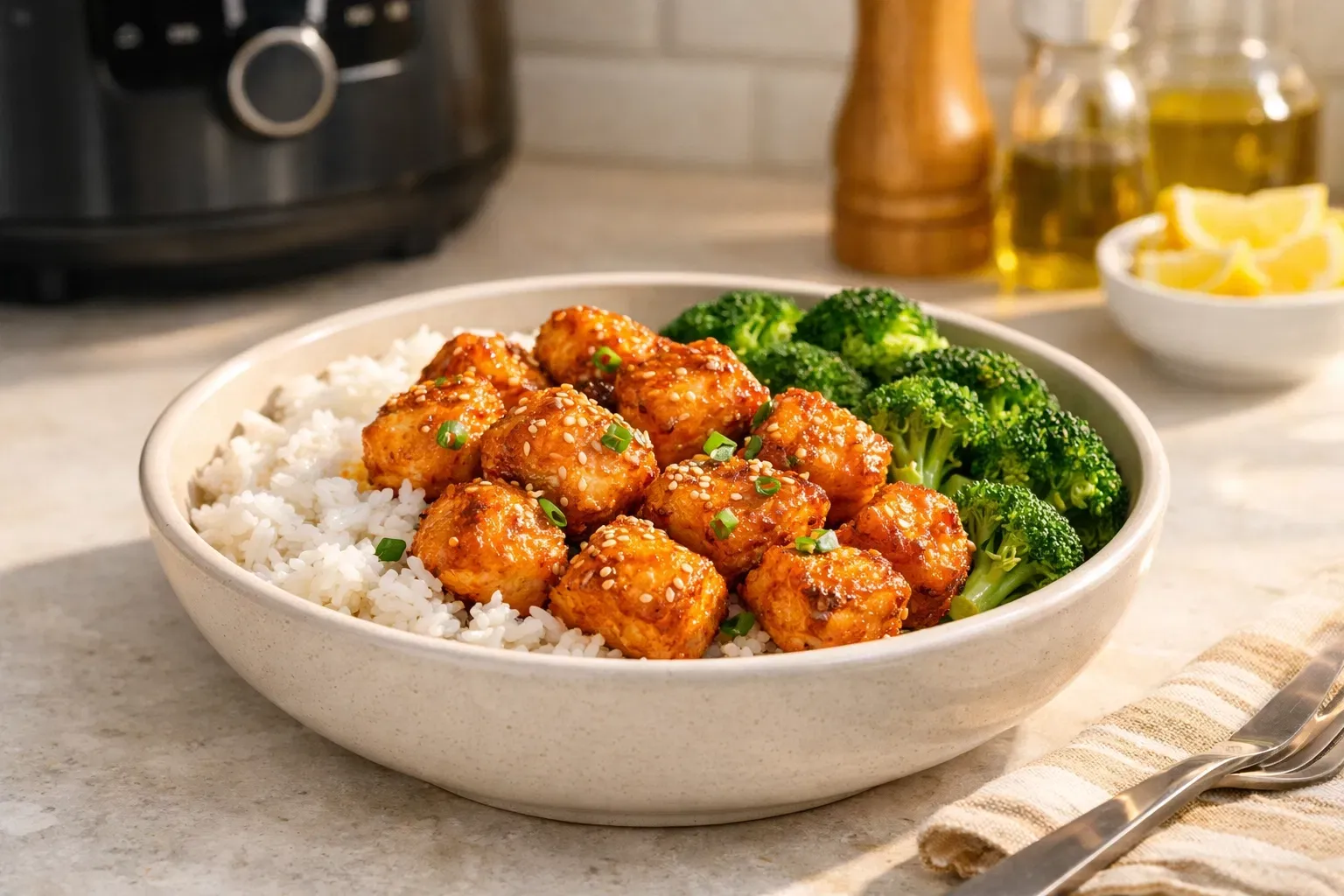
Perfecting Your Side Dish Pairings
The best easy dinner recipes aren't just about the main event; they're about how the sides complement the star. If you’re serving a rich, fatty protein like pan-seared pork chops, pair it with something bright and crunchy. A simple slaw with a vinegar-based dressing provides the necessary acidity to cleanse the palate between bites.
Opposites attract in the culinary world. If your main dish is soft and creamy, like a risotto or a hearty pasta, you need a side dish with texture. Think roasted Brussels sprouts with crispy outer leaves or a fresh green salad with toasted nuts. This contrast keeps your brain engaged and prevents "palate fatigue," where every bite starts to taste the same.
Don't over-complicate your sides. A tray of roasted vegetables is often the best companion for 30-minute meals. Use a high temperature (around 400°F) and, once again, don't crowd the pan. If you want that caramelized edge on your cauliflower or sweet potatoes, they need their personal space.
Common "What If" Questions Answered
What if my food is sticking to the stainless steel pan?
This usually happens for two reasons: the pan wasn't hot enough when you added the food, or you're trying to move it too soon. Stainless steel has microscopic pores that expand and contract with heat. When the pan is properly preheated, the "Leidenfrost effect" occurs, where a tiny layer of steam cushions the food and prevents it from bonding to the metal. If it's stuck, wait. As the crust forms, the food will naturally pull away from the surface.
Why is my chicken always dry even if I cook it quickly?
Dryness is often a result of carryover cooking. Meat continues to cook for several minutes after you take it off the heat. If you wait until the chicken looks "done" in the pan, it will be overcooked by the time you eat it. Use a meat thermometer and pull it off the heat about 5 degrees before your target temperature. Also, let it rest! Cutting into meat immediately causes all the juices to run out onto the plate rather than staying in the fibers.
Can I use frozen vegetables for a quick stir-fry?
Yes, but you have to change your technique. Frozen vegetables contain a lot of ice crystals. If you dump them into a pan with other ingredients, they will release all that water and turn your meal into a soup. Thaw and pat them dry first, or cook them separately on very high heat to evaporate the moisture quickly before combining them with your protein.
How do I fix a dish that is way too salty?
If it's a soup or sauce, you can try adding a splash of water or unsalted broth to dilute it. However, a better trick is adding an acid like lemon juice or vinegar. The acid doesn't actually remove the salt, but it distracts your taste buds and balances the flavor profile. Adding a pinch of sugar can also help round out the harshness of the salt.
Why do my "15-minute" recipes always take me 30 minutes?
The biggest time-sink in the kitchen is "active prep." Most recipes assume your ingredients are already chopped and measured before the clock starts. To truly master quick family meals, adopt the "mise en place" philosophy. Chop everything before you turn on the stove. You’ll find the actual cooking process is much faster and far less stressful when you aren't racing to dice an onion while your garlic is already burning in the pan.
Is it really necessary to wash my rice?
For most dishes, yes. Rice is covered in surface starch. If you don't wash it away, that starch gelatinizes during cooking and turns your fluffy rice into a gummy, sticky block. Rinse it in a fine-mesh strainer until the water runs mostly clear. The only exception is if you're making risotto or paella, where you actually want that starch to create a creamy texture.
{“@type”:”BlogPosting”,”image”:”https://cdn.marblism.com/WfsHc2QKLrh.webp”,”author”:{“name”:”Penny”,”@type”:”Person”},”@context”:”https://schema.org”,”headline”:”Are You Making These Common Mistakes with Easy Dinner Recipes?”,”publisher”:{“logo”:{“url”:”https://cdn.marblism.com/KxroJ1kM_KA.webp”,”@type”:”ImageObject”},”name”:”Cookpedia”,”@type”:”Organization”},”mainEntity”:[{“name”:”What if my food is sticking to the stainless steel pan?”,”@type”:”Question”,”acceptedAnswer”:{“text”:”This usually happens because the pan wasn’t hot enough or you’re trying to move the food too soon. Preheating allows the Leidenfrost effect to create a steam cushion, and waiting for a crust to form helps the food release naturally.”,”@type”:”Answer”}},{“name”:”Why is my chicken always dry even if I cook it quickly?”,”@type”:”Question”,”acceptedAnswer”:{“text”:”Dryness is often due to carryover cooking. Pull the meat off the heat 5 degrees before it reaches its target temperature and let it rest to keep the juices inside.”,”@type”:”Answer”}},{“name”:”Can I use frozen vegetables for a quick stir-fry?”,”@type”:”Question”,”acceptedAnswer”:{“text”:”Yes, but thaw and pat them dry first to avoid excess moisture, or cook them separately on very high heat to evaporate water quickly.”,”@type”:”Answer”}}],”description”:”Discover common pitfalls in easy dinner recipes and learn the science-backed techniques to fix them for better browning, flavor, and texture.”,”datePublished”:”2026-07-16″}