Recipe
Servings
Servings 1×
Ingredients
- Shrimp
- Garlic
- Lemon
- Honey
- Feta
- Butter
- Cooking oil
- Black pepper
Method
- Prepare the ingredients described in the article and heat the cooking surface or oven as directed.
- Cook the main ingredients using the heat and timing guidance in the article.
- Finish with the seasonings and garnishes named in the article, then serve.
You’ve been there: it’s 6:00 PM, the "what’s for dinner?" panic is setting in, and you want something that tastes like a vacation but takes less time than an episode of a sitcom. Enter my 15-minute garlic and herb shrimp skewers. This isn't just another quick fix; it’s a masterclass in minimalist cooking where high-quality ingredients and a little bit of science do the heavy lifting. We’re stripping away the fluff to focus on what matters, snappy texture, bold aromatics, and that elusive golden sear.
The Science of the Perfect Snap: Tips & Technique
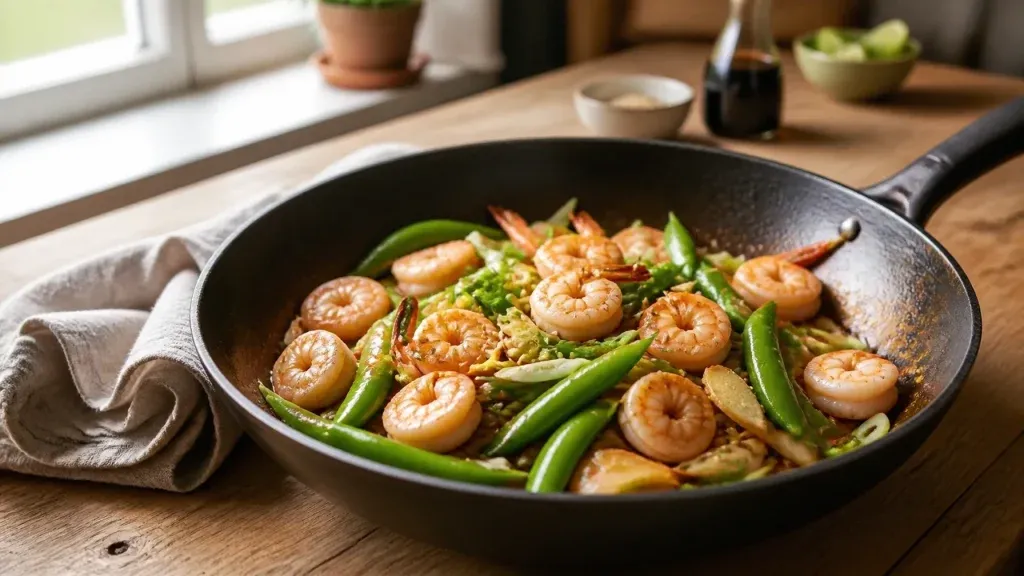
Cooking shrimp is a game of seconds, and understanding the "why" behind the heat will save you from the dreaded rubbery dinner. Shrimp are almost entirely lean protein. When heat hits them, those proteins begin to denature and coil up tightly. If you cook them too long, they squeeze out every drop of moisture, leaving you with something that resembles a pencil eraser. To keep them juicy, you must stop the cooking process just as they turn opaque and form a loose "C" shape. If they’ve curled into a tight "O," you’ve gone too far.
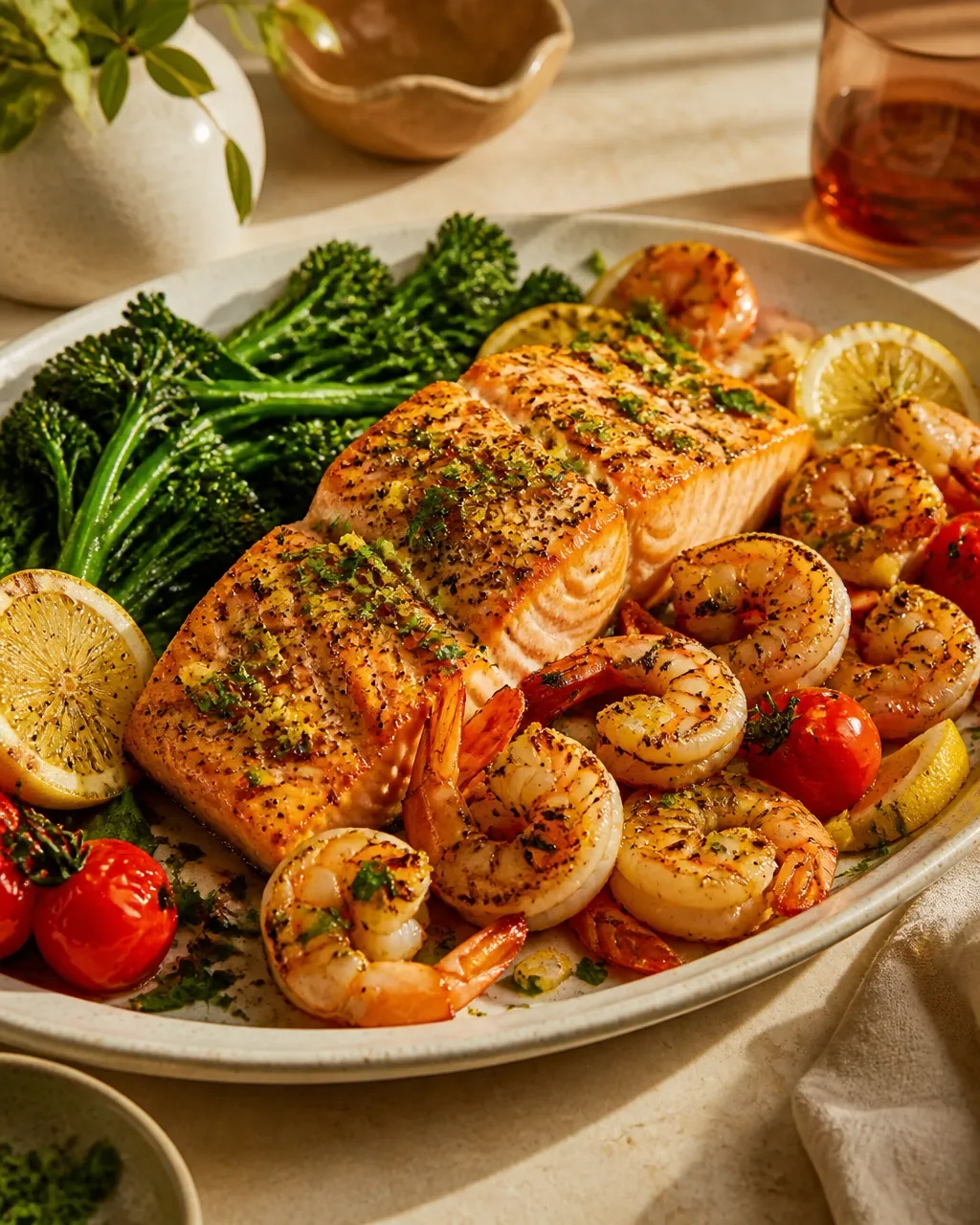
To achieve that restaurant-quality crust, we need to invite the Maillard reaction to the party. This is the chemical reaction between amino acids and reducing sugars that creates those savory, browned flavors. For this to happen effectively, the surface of your shrimp needs to be as dry as possible. Moisture is the enemy of browning; if your shrimp are swimming in liquid, they will steam instead of sear. Always pat your shrimp dry with a paper towel before adding your oil and herbs. If you want to be a real kitchen scientist, add a tiny pinch of baking soda to your marinade. This raises the pH level of the shrimp's surface, accelerating the Maillard reaction and giving you a better crust in a shorter amount of time.
Let's talk about the marinade chemistry. I use a base of high-quality olive oil because it acts as a delivery vehicle for flavor. Garlic and many fresh herbs contain fat-soluble compounds; the oil pulls those flavors out and paints them onto the shrimp. However, be wary of the acid. While a splash of lemon juice brightens the dish, adding it too early can "cook" the shrimp (like ceviche) and turn the exterior mushy. Save the heavy citrus hit for the very end.
For those of you looking for healthy dinner ideas, these skewers are a powerhouse. They are packed with lean protein and heart-healthy fats, making them a staple for anyone wanting to eat well without the stress. If you are short on stovetop space, remember that these are excellent air fryer recipes dinner options. The circulating hot air in an air fryer mimics the intense heat of a grill, perfect for getting that snap.
Flavor Variations: Beyond the Basics
Once you master the garlic and herb foundation, the world is your oyster, or rather, your shrimp. The goal here is balance. If you’re going for something richer, swap the olive oil for melted ghee. It has a higher smoke point than butter, meaning you can get the pan screaming hot without the milk solids burning and turning bitter.
For a Mediterranean twist, lean into dried oregano and a sprinkle of feta right before serving. The saltiness of the cheese cuts through the richness of the garlic oil beautifully. If you’re craving heat, a pinch of red pepper flakes or a dash of smoked paprika adds a "soulful" depth that suggests you’ve been simmering things for hours.
If you're looking for quick family meals that please everyone, try a "Sweet & Savory" version by adding a teaspoon of honey to the marinade. The sugar in the honey will caramelize almost instantly under high heat, providing a gorgeous lacquer and a flavor profile that kids and adults both love. Just keep a close eye on the grill, as sugar-heavy marinades can go from caramelized to burnt in the blink of an eye.
Side Dish Pairings: Balancing the Plate
When serving something as bold and savory as garlic shrimp, your side dishes should provide a counterpoint. I recommend something with high acidity or a crisp texture to balance the richness of the garlic butter or oil. A simple arugula salad with a sharp lemon vinaigrette is my go-to. The peppery bite of the greens and the acid from the lemon reset your palate after every bite of succulent shrimp.
If you need something heartier, a quick couscous or a pile of "zoodles" (zucchini noodles) works wonders. They soak up the residual garlic oil from the skewers, ensuring not a single drop of flavor is wasted. For a more celebratory spread, you can look at our abundant meal inspiration which features herbed shrimp alongside roasted vegetables and fresh salads. The key is to keep the sides light enough that the shrimp remains the star of the show.
FAQ: Troubleshooting Your Skewers
What if I only have frozen shrimp?
Don't worry, you can still have a top-tier dinner. The non-negotiable here is the thaw. Thaw them completely in a bowl of cold water (never hot, or you’ll start the cooking process prematurely). Once thawed, the most important step is drying them. Frozen shrimp often hold more water than fresh, so be extra diligent with those paper towels to ensure you still get a proper sear.
Why did my garlic turn bitter and black?
Garlic has a very low burn point. If you mince it too finely and blast it with high heat, it will scorch before the shrimp are done. My coaching tip: use a garlic press or finely grate it so it forms a paste that coats the shrimp, rather than having large chunks that fall off and burn on the pan or grill.
Can I use wooden skewers?
Yes, but you must soak them in water for at least 20 minutes beforehand. If you skip this, they will catch fire or char, adding an unpleasant acrid smoke to your delicate seafood. If you’re a frequent griller, invest in metal skewers; they conduct heat into the center of the shrimp, helping them cook even more evenly.
My shrimp are sticking to the grill/pan. What happened?
Usually, this is a sign that you tried to flip them too early. Protein "grabs" the cooking surface initially, but as the Maillard reaction occurs and a crust forms, the shrimp will naturally release themselves. If you feel resistance, wait another 30 seconds. Also, ensure your pan or grill is preheated. Adding shrimp to a cold pan is a recipe for a sticky, grey mess.
Is it okay to leave the tails on?
Absolutely. From a scientific standpoint, the tail helps protect the thinnest part of the shrimp from overcooking too quickly. From a culinary standpoint, it makes them easier to handle and looks much more professional on the plate. Just remind your guests (and yourself) not to eat the shells!
{“@type”:”BlogPosting”,”image”:[“https://cdn.marblism.com/TXqQv-h3JWh.webp”,”https://cdn.marblism.com/2PyAKJuQE0U.webp”,”https://cdn.marblism.com/ki9oQv1KXN5.webp”,”https://cdn.marblism.com/KuIlir8BVgb.webp”],”author”:{“name”:”Penny”,”@type”:”Person”},”@context”:”https://schema.org”,”headline”:”15-Minute Garlic and Herb Shrimp Skewers: Minimalist & Soulful”,”keywords”:”air fryer recipes dinner, quick family meals, healthy dinner ideas”,”publisher”:{“logo”:{“url”:”https://cookpedia.com/logo.png”,”@type”:”ImageObject”},”name”:”Cookpedia”,”@type”:”Organization”},”description”:”Learn the science behind perfectly seared 15-minute garlic and herb shrimp skewers. Discover how to avoid rubbery texture and achieve the perfect Maillard reaction for a quick, healthy dinner.”,”datePublished”:”2026-06-19″,”mainEntityOfPage”:{“@id”:”https://cookpedia.com/15-minute-garlic-herb-shrimp-skewers”,”@type”:”WebPage”}}