Recipe
Servings
Servings 1×
Cook 2026 min
Ingredients
- Cod
- Potatoes
- Sweet potatoes
- Broccoli
- Carrots
- Kale
- Garlic
- Lemon
- Honey
- Butter
- Cooking oil
Method
- Let’s talk about protein denaturation.
- Use a meat thermometer; don’t guess.
- Pat your vegetables bone-dry before they ever touch the oil.
There is a specific kind of magic that happens when you realize that dinner doesn’t have to be a multi-hour production involving every pot in your kitchen. I’ve spent years chasing the perfect balance of flavor and speed, and I’ve found that nothing quite beats the humble sheet pan. This lemon garlic baked cod is one of those quick healthy meals that makes you feel like a pro chef without the mountain of dishes. It’s light, vibrant, and hits that sweet spot of effort versus reward.
The Science of the Perfect Flake and the Maillard Crunch
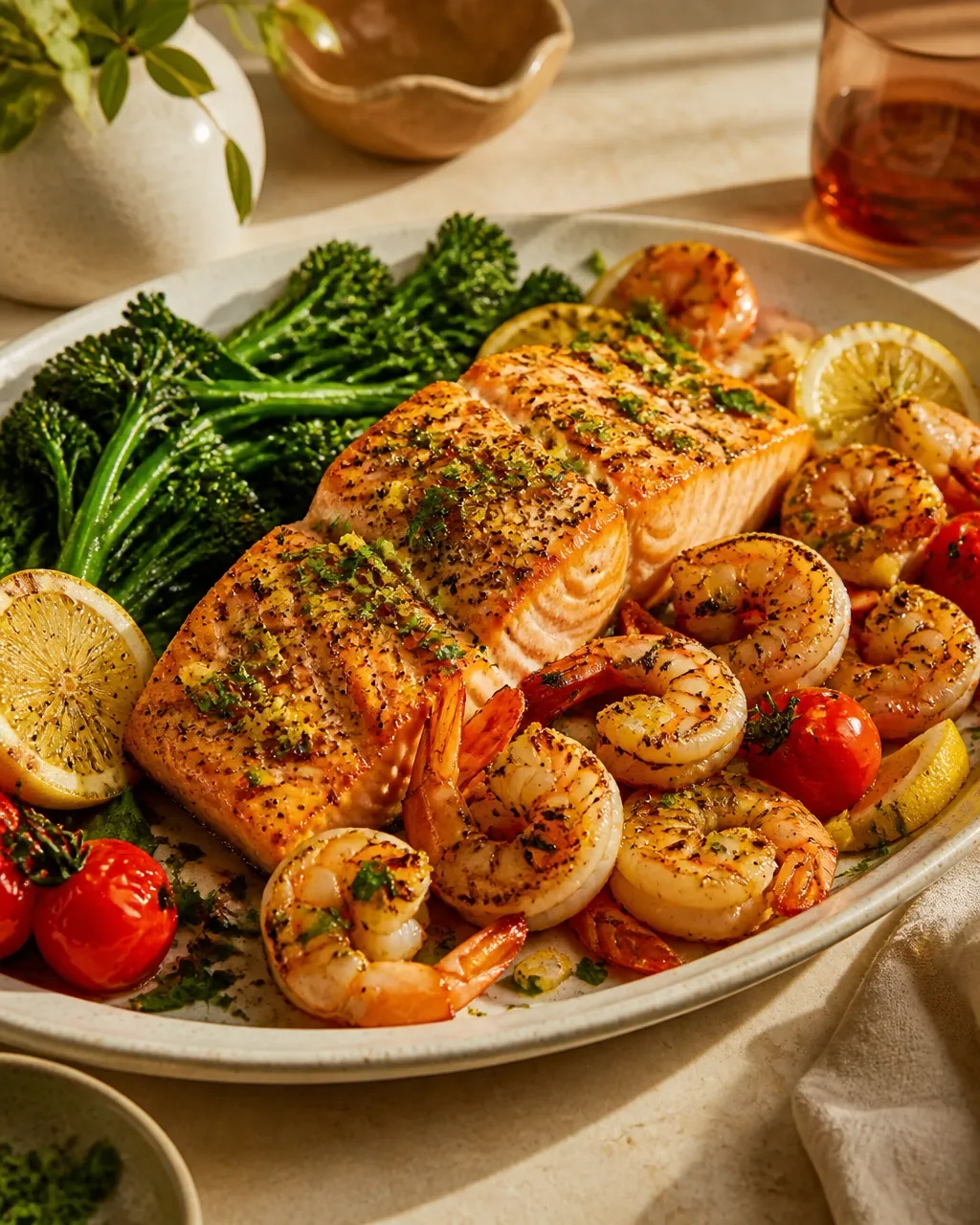
When you’re aiming for healthy weeknight dinners, understanding the "why" behind your oven settings is the difference between a rubbery mess and a restaurant-quality meal. Let’s talk about protein denaturation. Cod is a lean fish, which means it’s mostly water and protein with very little fat to buffer it from heat. As the temperature inside the oven rises, those proteins: specifically myosin: begin to unfold and bond back together. This is what turns your fish from translucent and jelly-like to opaque and firm.
Aim for a target internal temperature of 145°F (63°C). Around 130°F, you’ll notice the muscle fibers start to separate into those gorgeous, giant flakes we all love. Go much higher than 150°F, and those protein fibers tighten up like a clenched fist, squeezing out all the moisture and leaving you with something resembling a pencil eraser. Use a meat thermometer; don’t guess.
Now, let’s look at your vegetables. We aren't just heating them; we are looking for the Maillard reaction. This is the chemical dance between amino acids and reducing sugars that occurs under dry heat, creating hundreds of different flavor compounds and that characteristic golden-brown crust. For this to happen, you must eliminate the enemy: moisture.
Pat your vegetables bone-dry before they ever touch the oil. If they are even slightly damp, the heat of the oven will go toward evaporating that surface water first, effectively steaming your veggies instead of roasting them. Steamed broccoli is fine for a sad desk lunch, but for easy dinner recipes, we want those crispy, caramelized edges.
Follow these non-negotiable rules for the best results:
- Preheat your oven thoroughly. Do not slide that pan in until the oven has hummed at 400°F for at least ten minutes. A cold start leads to soggy fish.
- Space is your friend. Avoid overcrowding the pan. If your vegetables are piled on top of each other, they will trap steam, and the Maillard reaction will never stand a chance. Use two pans if you have to.
- Uniformity matters. Cut your vegetables into equal-sized pieces. If you have huge chunks of carrot next to tiny florets of broccoli, one will be raw while the other is charcoal.
- Dry the fish. Use a paper towel to remove every drop of surface moisture from the cod. This allows the lemon-garlic infusion to actually stick to the flesh rather than sliding off in a watery puddle.
Flavor Variations to Keep Your Kitchen Interesting
Once you master the basic technique, you can treat this recipe as a blank canvas for your culinary whims. If you aren't in the mood for the classic lemon-garlic profile, swap the aromatics for something with more kick. Try a Mediterranean twist by adding kalamata olives, capers, and a heavy hand of dried oregano to the sheet pan. The saltiness of the olives provides a sharp contrast to the mild, buttery cod.
For those who crave heat, a dusting of smoked paprika and a drizzle of honey-sriracha over the fish in the last few minutes of baking creates a beautiful glaze. You can also experiment with your fats. While olive oil is my go-to for healthy weeknight dinners, swapping it for a small amount of browned butter can add a nutty depth that pairs exceptionally well with the acidity of the lemon.
Don't feel restricted by the vegetable drawer, either. If you want more quick healthy meals, look for high-surface-area greens like kale or thinly sliced Brussels sprouts. These will crisp up almost like chips in the oven, providing a fantastic textural contrast to the soft fish. If you’re using heartier roots like sweet potatoes or parsnips, give them a ten-minute head start in the oven before you nestle the fish into the pan.
Side Dish Pairings for a Balanced Plate
While the sheet pan handles the heavy lifting, a few smart additions can elevate the entire experience. The key here is balance. Cod is delicate and the roasted vegetables are earthy and sweet, so you need something to cut through that richness.
A simple arugula salad dressed with nothing but a squeeze of lemon and a pinch of flaky sea salt is often all you need. The peppery bite of the greens acts as a palate cleanser. If you need a more substantial starch, a quick-cooking grain like quinoa or couscous works beautifully. These grains act like a sponge for any leftover lemon-garlic juices on the pan.
Avoid heavy, cream-based sides. You’ve put in the work to keep this light and vibrant; don’t weigh it down with a side of mashed potatoes that will steal the show and leave you feeling sluggish. Think bright, acidic, and fresh.
Frequently Asked Questions (FAQ)
What if I can’t find fresh cod?
Frozen cod is a fantastic alternative and often fresher than what you find at the "fresh" counter if you live far from the coast. However, the science remains the same: you must thaw it completely in the refrigerator and pat it extremely dry. Frozen fish often releases more moisture during cooking, so be prepared to drain any excess liquid from the pan halfway through if you see it pooling.
Can I use a different type of fish?
Absolutely. Any flaky white fish like haddock, pollock, or even halibut will work. Just keep an eye on the thickness. A thin tilapia fillet will cook in half the time of a thick cut of cod, so adjust your timing accordingly. Use the "flake test": if it resists the fork, it needs more time.
My vegetables are cooked but not browned. What happened?
You likely overcrowded the pan or your oven temperature was too low. When vegetables are too close together, the moisture they release creates a steam tent. Next time, use a larger pan or spread them out more. Also, ensure you are using enough oil; oil is a heat conductor that helps transfer the oven’s energy into the surface of the food.
Why did my garlic burn and turn bitter?
Garlic is sensitive to high heat. If you mince it too finely and leave it exposed on the pan for 20 minutes, it will burn. Try tucking the garlic under the fish fillets or mixing it into a paste with the oil and lemon juice to protect it from the direct heat of the heating elements.
How do I store and reheat leftovers?
Fish is notoriously difficult to reheat without it turning into rubber. If you have leftovers, I recommend flaking the cold cod over a salad the next day. If you must reheat it, do so gently in a pan over low heat with a splash of water and a lid to create a gentle steam environment. Avoid the microwave at all costs unless you enjoy the texture of a shoe.
Is this recipe suitable for meal prep?
While you can roast the vegetables ahead of time, I suggest cooking the fish fresh. It only takes ten minutes, and the difference in quality is massive. You can prep the vegetables and portion the fish on Sunday, then just toss them on the pan when you get home for one of the easiest easy dinner recipes in your rotation.
{“@type”:”BlogPosting”,”image”:”https://cdn.marblism.com/idtfZ0ophpb.webp”,”author”:{“name”:”Cookpedia”,”@type”:”Organization”},”faqPage”:{“@type”:”FAQPage”,”@context”:”https://schema.org”,”mainEntity”:[{“name”:”What if I can’t find fresh cod?”,”@type”:”Question”,”acceptedAnswer”:{“text”:”Frozen cod is a fantastic alternative. Thaw it completely in the refrigerator and pat it extremely dry to avoid excess moisture on the pan.”,”@type”:”Answer”}},{“name”:”Can I use a different type of fish?”,”@type”:”Question”,”acceptedAnswer”:{“text”:”Yes, any flaky white fish like haddock or halibut works. Adjust cooking time based on the thickness of the fillet.”,”@type”:”Answer”}},{“name”:”My vegetables are cooked but not browned. What happened?”,”@type”:”Question”,”acceptedAnswer”:{“text”:”This usually happens due to overcrowding the pan or low oven temperature, which causes the vegetables to steam instead of roast.”,”@type”:”Answer”}}]},”@context”:”https://schema.org”,”headline”:”Healthy Weeknight Dinners: Lemon Garlic Baked Cod with Roasted Vegetables”,”keywords”:”healthy weeknight dinners, easy dinner recipes, quick healthy meals, baked cod, roasted vegetables”,”publisher”:{“logo”:{“url”:”https://cookpedia.com/logo.png”,”@type”:”ImageObject”},”name”:”Cookpedia”,”@type”:”Organization”},”description”:”Learn the science behind perfect lemon garlic baked cod and roasted vegetables. A guide to healthy weeknight dinners with tips on protein denaturation and the Maillard reaction.”,”datePublished”:”2026-07-19″,”articleSection”:”Recipes”,”mainEntityOfPage”:{“@id”:”https://cookpedia.com/healthy-weeknight-dinners-baked-cod”,”@type”:”WebPage”}}