Recipe
Servings
Servings 1×
Ingredients
- Chicken
- Quinoa
- Potatoes
- Sweet potatoes
- Carrots
- Zucchini
- Onion
- Lemon
- Balsamic vinegar
- Honey
- Mustard
- Cooking oil
- Black pepper
Method
- Use a large enough pan to avoid "the steam trap." If your vegetables are piled on top of each other, the moisture escaping from them will get trapped, and they will steam instead of roast.
- Let it sit for five to ten minutes.
- Add some lemon zest to your balsamic mixture to heighten the acidity.
- Use Balsamic Vinegar of Modena and allow sufficient time for water to evaporate.”,”@type”:”Answer”}}]}
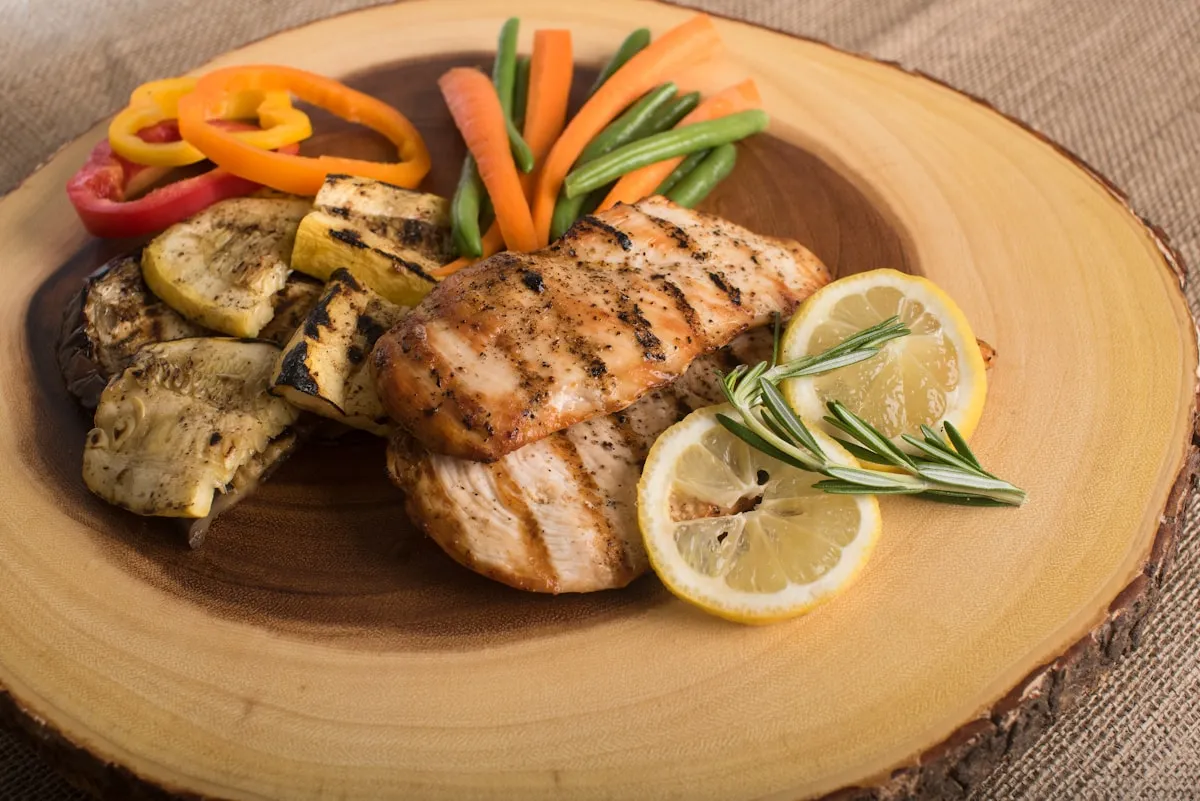
If you have spent any amount of time staring into your pantry at 5:00 PM, wondering how to turn a pack of chicken and some lonely carrots into a meal that doesn’t taste like "sadness," you are in the right place. Welcome to my kitchen, where I firmly believe that you deserve a meal that tastes like a five-star bistro even when you only have forty minutes and a single sheet pan. Today, we are diving into the magic of balsamic glazed chicken and roasted root vegetables: a staple for anyone craving healthy weeknight dinners that actually satisfy the soul.
The Science of the Sizzle: Why This Works
The secret to this dish isn't just "cooking it until it’s done." It is about understanding the chemistry of your ingredients to create maximum flavor with minimal effort. This is one of those easy dinner recipes where the oven does the heavy lifting, but you need to know how to set the stage.
The Magic of the Maillard Reaction
When you toss your carrots, parsnips, and sweet potatoes into a hot oven, you aren't just heating them up; you are inviting the Maillard reaction to the party. This is the chemical reaction between amino acids and reducing sugars that gives browned food its distinctive, savory flavor. To get this right, you must roast at high heat: think 400°F (200°C) or higher.
Use a large enough pan to avoid "the steam trap." If your vegetables are piled on top of each other, the moisture escaping from them will get trapped, and they will steam instead of roast. You want them to have their own personal space so the dry heat can hit every surface, turning those natural sugars into golden, caramelized goodness.
Reduction: More Than Just a Fancy Word
The balsamic glaze is the star of the show. Balsamic vinegar is naturally acidic and slightly sweet, but when you reduce it, you are evaporating the water and concentrating the sugars and acetic acid. This transforms a thin liquid into a syrupy glaze that actually clings to the chicken.
If you find your glaze is too runny, you haven't reduced it enough; if it’s a rock-hard candy, you’ve gone too far. Aim for a "nappe" consistency: that’s chef-speak for a sauce thick enough to coat the back of a spoon. When this glaze hits the chicken in the final stages of roasting, it creates a sticky, savory crust that seals in moisture while providing a sharp, acidic punch that cuts through the richness of the meat.
Protein Safety and Succulence
Chicken breast is notorious for turning into a dry eraser if you overcook it by even a few minutes. Because we are roasting at high heat, you must use a meat thermometer. There is no "eye-balling" safety. Pull that chicken out the second it hits 165°F (74°C).
Don't forget the rest. When you pull the pan out of the oven, the muscle fibers in the chicken are tight and the juices are pushed toward the center. Let it sit for five to ten minutes. This allows the fibers to relax and soak those juices back up, ensuring every bite is succulent rather than stringy.
Flipping the Script: Flavor Variations
One of the reasons this is one of my favorite one pot meals is its versatility. Once you master the base technique, you can change the flavor profile faster than you can change your mind about what’s for dessert.
The Mediterranean Twist
Swap the rosemary for a heavy hand of dried oregano and thyme. Add some lemon zest to your balsamic mixture to heighten the acidity. Instead of just root vegetables, throw some red onions and thick slices of zucchini onto the pan. The onions will caramelize into sweet ribbons that pair perfectly with the sharp balsamic glaze.
The Spicy Kick
If you like a little heat, whisk some red pepper flakes or a teaspoon of sriracha into your glaze. The sweetness of the reduced balsamic acts as a perfect foil for the spice, creating a "hot honey" effect that is addictive. This version works particularly well if you are using sweet potatoes, as their earthy sweetness balances the heat beautifully.
The Mustard-Forward Savory Roast
For a deeper, more pungent flavor, add a tablespoon of Dijon mustard to your balsamic reduction. Mustard acts as an emulsifier, helping the oil and vinegar stay together while adding a sophisticated bite. This variation is a "must-try" if you are using parsnips, as the spicy mustard highlights the parsnip’s natural nuttiness.
Perfect Pairings: Balancing the Plate
While this dish is a complete meal on its own, sometimes you want a little something extra to round out the experience. The key here is balance: specifically, finding something to cut through the sweet and savory glaze.
Acidity and Crunch
A simple arugula salad with a light lemon vinaigrette is my go-to. The peppery bite of the arugula and the sharp citrus of the lemon provide a refreshing contrast to the dense, roasted root vegetables. It cleanses the palate between bites, making the whole meal feel lighter.
Grains for the Hungry
If you have had a particularly long day and need some extra carbs, serve the chicken and vegetables over a bed of quinoa or farro. These ancient grains have a nutty texture that holds up well against the balsamic sauce. They also act like a sponge, soaking up any extra glaze that wanders off the chicken.
Common Questions and Kitchen Science
What if my vegetables are still hard but my chicken is done?
This is a classic timing issue. Root vegetables are dense and take longer to break down than lean chicken. Avoid this by cutting your vegetables into smaller, uniform pieces: about half-inch cubes. If you’re still worried, give the vegetables a ten-minute head start in the oven before adding the chicken to the pan.
Can I use chicken thighs instead of breasts?
Absolutely. In fact, chicken thighs are more forgiving. They have a higher fat content, which means they stay juicy even if you overshoot the temperature slightly. Just keep in mind that thighs may take an extra five to ten minutes to reach that safe 165°F mark compared to pounded breasts.
Why did my balsamic glaze turn into a sticky mess on the pan?
Sugar burns. Balsamic vinegar has a high sugar content, and if it spends too long at 400°F, it will transition from "caramelized" to "carbonized." Check your pan halfway through. If the glaze is darkening too quickly, tent the chicken with a bit of foil or add a splash of water to the pan to slow down the sugar’s temperature climb.
Do I really need to peel the vegetables?
Check your preference, but science says: not necessarily! For carrots and parsnips, a good scrub is often enough. The skins contain extra fiber and nutrients. However, for beets or very waxy sweet potatoes, peeling ensures the glaze penetrates the flesh rather than just sitting on the tough outer layer.
My glaze didn't thicken. What happened?
You likely didn't simmer it long enough, or you used a low-quality balsamic that was mostly water and caramel coloring. Stick to a "Balsamic Vinegar of Modena" for the best results. If you’re in a rush, a tiny pinch of cornstarch whisked into the simmering vinegar can help bridge the gap, but true reduction is always superior for flavor.
Ready to level up your dinner game? Check out more chicken recipes or browse our gallery for more inspiration!
{“@type”:”FAQPage”,”@context”:”https://schema.org”,”mainEntity”:[{“name”:”What if my vegetables are still hard but my chicken is done?”,”@type”:”Question”,”acceptedAnswer”:{“text”:”Avoid this by cutting your vegetables into smaller, uniform half-inch cubes. If needed, give the vegetables a ten-minute head start in the oven before adding the chicken.”,”@type”:”Answer”}},{“name”:”Can I use chicken thighs instead of breasts?”,”@type”:”Question”,”acceptedAnswer”:{“text”:”Yes, chicken thighs are more forgiving due to their higher fat content and will stay juicy, though they may require 5-10 minutes of extra cooking time.”,”@type”:”Answer”}},{“name”:”Why did my balsamic glaze turn into a sticky mess on the pan?”,”@type”:”Question”,”acceptedAnswer”:{“text”:”Balsamic vinegar has high sugar content which can burn at high temperatures. Tent the chicken with foil or add a splash of water if the glaze darkens too quickly.”,”@type”:”Answer”}},{“name”:”Do I really need to peel the vegetables?”,”@type”:”Question”,”acceptedAnswer”:{“text”:”Peeling is optional for carrots and parsnips if scrubbed well, but recommended for beets or waxy potatoes to allow the glaze to penetrate better.”,”@type”:”Answer”}},{“name”:”My glaze didn’t thicken. What happened?”,”@type”:”Question”,”acceptedAnswer”:{“text”:”This usually happens if the vinegar isn’t simmered long enough or if the vinegar is low quality. Use Balsamic Vinegar of Modena and allow sufficient time for water to evaporate.”,”@type”:”Answer”}}]}