Recipe
Servings
Servings 1×
Ingredients
- Chicken
- Quinoa
- Peas
- Fresh ginger
- Lemon
- Feta
Method
- Let’s be honest: the supermarket rotisserie chicken is the ultimate culinary cheat code.
- Use a splash of low-sodium chicken broth, a squeeze of citrus, or even a light 15-minute meal sauce to create a steam barrier.
- Use a meat thermometer and stop heating the moment you hit the safety zone.
- Let the residual heat of the broth warm the chicken through rather than boiling it into oblivion.
- Serve this over a bed of quinoa or arugula with some feta and olives.
- Use high heat and a heavy-bottomed pan to mimic a wok's "breath." Toss in snap peas, bell peppers, and some ginger-soy glaze.
Let’s be honest: the supermarket rotisserie chicken is the ultimate culinary cheat code. It’s warm, it’s salty, and it’s staring at you from the deli counter, promising to save you from another night of cereal for dinner. But if you’re just standing over the sink picking at the drumsticks, you’re missing out on a world of fast, nutritious possibilities. I use these birds as the "easy button" for my kitchen, transforming them into everything from zesty tacos to hearty grain bowls in under twenty minutes. You don't need a culinary degree to turn a pre-cooked bird into a masterpiece; you just need a few fresh ingredients and a plan.
The Science of Succulence: Mastering Pre-Cooked Poultry
Working with a rotisserie chicken is technically a "second-cook" scenario, which brings its own set of scientific challenges. The most common pitfall? Ending up with meat that has the texture of a dry sponge. When chicken is first roasted, the muscle proteins (primarily myosin and actin) denature and tighten, squeezing out moisture. By the time you get it home, those proteins have already reached their limit. Reheating the meat further causes them to contract even more, which is why a second round in the microwave often results in a rubbery mess.
To avoid this, focus on moisture management. Always shred or chop your chicken while it’s still slightly warm if possible. When the meat is warm, the residual fats and any gelatinized collagen are more fluid, allowing the muscle fibers to separate easily without tearing. If you’re working with cold leftovers, introduce a liquid medium during the reheating process. Use a splash of low-sodium chicken broth, a squeeze of citrus, or even a light 15-minute meal sauce to create a steam barrier. This prevents the dry heat of your pan or oven from leaching the remaining internal moisture from the cells.
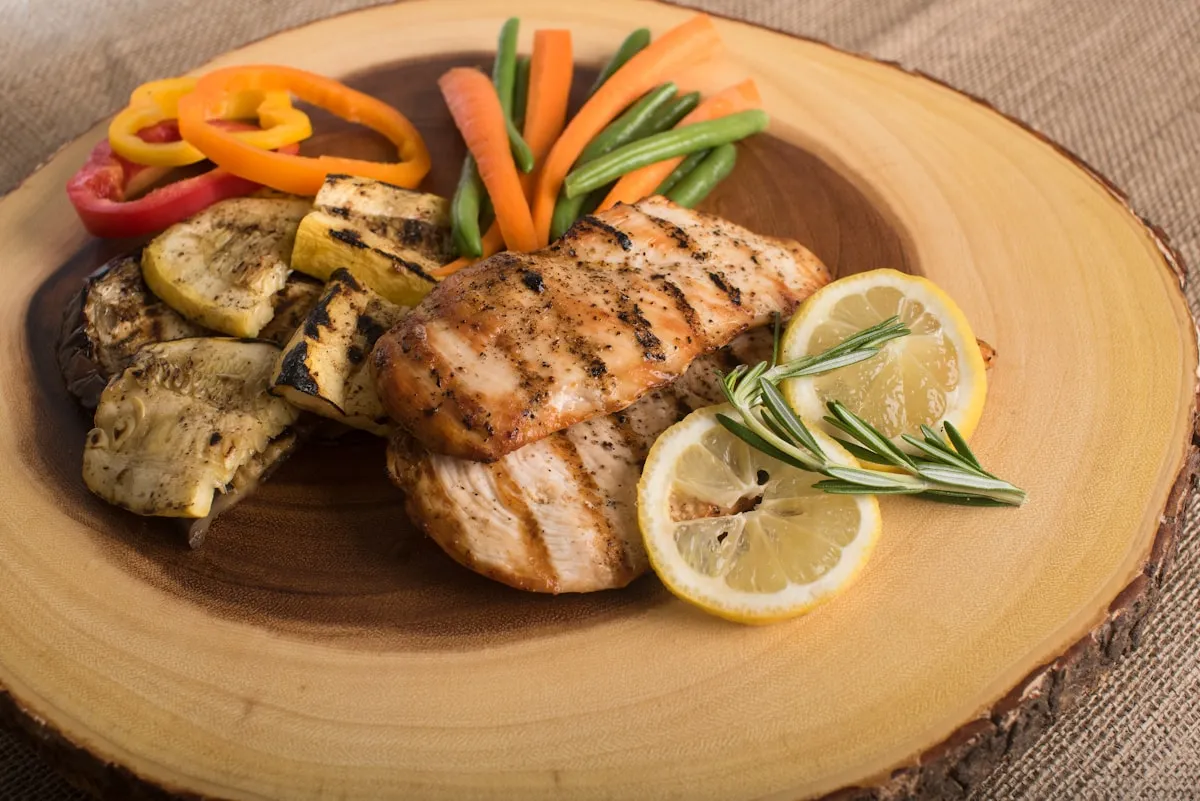
Temperature control is your next non-negotiable. While food safety standards dictate reheating poultry to an internal temperature of 165°F (74°C) to eliminate potential bacterial growth, every degree over that mark is a step toward dryness. Use a meat thermometer and stop heating the moment you hit the safety zone. If you’re incorporating the chicken into quick family meals like soups or stews, add the meat at the very end. Let the residual heat of the broth warm the chicken through rather than boiling it into oblivion.
Don't ignore the carcass, either. The skin and bones are loaded with flavor and collagen. When you simmer the remains of the bird, you’re performing a quick extraction. The collagen breaks down into gelatin, which gives your homemade stocks a silky mouthfeel and rich body that store-bought cartons simply can't match. This isn't just "cooking"; it's efficient chemistry. Even the browned skin contains products of the Maillard reaction, those complex flavor compounds created when sugars and proteins meet high heat. Incorporating these bits into a quick pan sauce or a healthy dinner ideas base adds a depth of savory "umami" that makes your ten-minute meal taste like it took all afternoon.
Flavor Pivots: From Mediterranean Bowls to Asian Stir-Fries
The beauty of neutral-flavored chicken is its ability to act as a blank canvas. You can pivot between global cuisines by simply swapping your aromatics and acids. For a Mediterranean vibe, toss your shredded chicken with lemon juice, dried oregano, and plenty of fresh parsley. Serve this over a bed of quinoa or arugula with some feta and olives. The acidity of the lemon doesn't just add brightness; it actually helps tenderize the pre-cooked fibers by slightly breaking down the protein structures on the surface.
If you’re craving something with a kick, lean into a "speedy stir-fry." Since the meat is already cooked, your only goal is to achieve a quick sear on the vegetables and a glossy coating of sauce. Use high heat and a heavy-bottomed pan to mimic a wok's "breath." Toss in snap peas, bell peppers, and some ginger-soy glaze. The chicken only needs about sixty seconds in the pan to pick up the flavors without losing its integrity.
For those focusing on air fryer recipes dinner, try making "chicken-skin crackers." If you’ve removed the skin to keep the meat lean, don't throw it away. Pop the skin into the air fryer for 3-5 minutes at 400°F. The rapid air circulation dehydrates the skin and renders out the fat, leaving you with a crispy, salty garnish that adds texture to salads or soups without the heaviness of croutons. It’s a minimalist approach to high-impact flavor.
Side Dish Pairings: The Art of Balance
When your main protein is rich and roasted, your side dishes should do the heavy lifting in terms of contrast. Think about acidity and crunch. A heavy, creamy pasta dish paired with roasted chicken can feel bogged down. Instead, opt for a bright, vinegary slaw or a citrus-based salad. The acetic acid in vinegar or the citric acid in lime juice cuts through the fattiness of the chicken skin and provides a necessary palate cleanser between bites.
I often recommend a "quick-pickled" vegetable side. Thinly slice some red onions or radishes and let them sit in a mixture of apple cider vinegar, a pinch of salt, and a dash of honey for ten minutes while you prep the chicken. This adds a sharp, vibrant note to the plate that balances the savory, umami-rich poultry. If you prefer cooked sides, try quick-blanched green beans or sautéed spinach with plenty of garlic. These provide vitamins and fiber without competing with the chicken for center stage.
Troubleshooting the Bird: Common Questions
How long can I actually keep a rotisserie chicken in the fridge?
General food safety guidelines suggest three to four days. However, the quality starts to dip after day two as the fats begin to oxidize, which can lead to a slightly "off" flavor known as WOF (Warmed-Over Flavor). If you won't finish it by then, shred the meat and freeze it in an airtight bag with all the air squeezed out to prevent freezer burn.
My chicken is incredibly dry. Can I save it?
Absolutely. This is where "saucing" becomes a rescue mission. Don't just pour sauce on top; let the chicken simmer briefly in a liquid. If you’re making healthy dinner ideas, even a quick simmer in salsa or tomato purée can rehydrate those parched fibers. The liquid moves into the spaces between the protein strands, providing a juicier mouthfeel.
Is the skin really that bad for you?
It’s all about balance. Most of the saturated fat in a chicken is concentrated in the skin. If you're looking for quick family meals that are heart-healthy, removing the skin is the easiest way to slash calories and fat. However, the skin is also where most of the seasoning lives. A compromise? Use a small amount of the skin finely chopped and mixed into a large salad for flavor, rather than eating it all in one go.
Can I use the carcass for stock even if the chicken was heavily seasoned?
Yes, but be careful with the salt. Most store-bought birds are brined or rubbed with salty spices. When you boil the carcass, that salt leaches into the water. Avoid adding any extra salt to your stock until it’s finished simmering and you’ve tasted it. You’ll often find you don’t need any extra seasoning at all.
What is the best way to reheat chicken in an air fryer?
Treat it like a quick crisp-up. Set your air fryer recipes dinner to 350°F and heat for only 3-4 minutes. Spritz the meat with a little water or olive oil spray before starting to create a bit of steam, which helps keep the interior from drying out while the exterior regains its crunch.
{“@type”:”BlogPosting”,”author”:{“name”:”Penny”,”@type”:”Person”},”@context”:”https://schema.org”,”headline”:”15 Quick Healthy Meals You Can Make with Rotisserie Chicken”,”publisher”:{“logo”:{“url”:”https://cookpedia.com/logo.png”,”@type”:”ImageObject”},”name”:”Cookpedia”,”@type”:”Organization”},”description”:”Learn the science and techniques for turning store-bought rotisserie chicken into fast, nutritious meals, including moisture retention tips and flavor pivots.”,”mainEntityOfPage”:{“@id”:”https://cookpedia.com/quick-healthy-rotisserie-chicken-meals”,”@type”:”WebPage”}}