Recipe
Servings
Servings 1×
Ingredients
- Steak
- Black beans
- Beans
- Quinoa
- Pasta
- Rice
- Spinach
- Lime
- Salt
Method
- Let’s get nerdy for a second.
- Use a fine-mesh strainer and agitate the seeds under cold water until the water runs clear.
- Use a fork to fluff it afterward: the tines separate the grains without smashing them, preserving that light, airy texture.
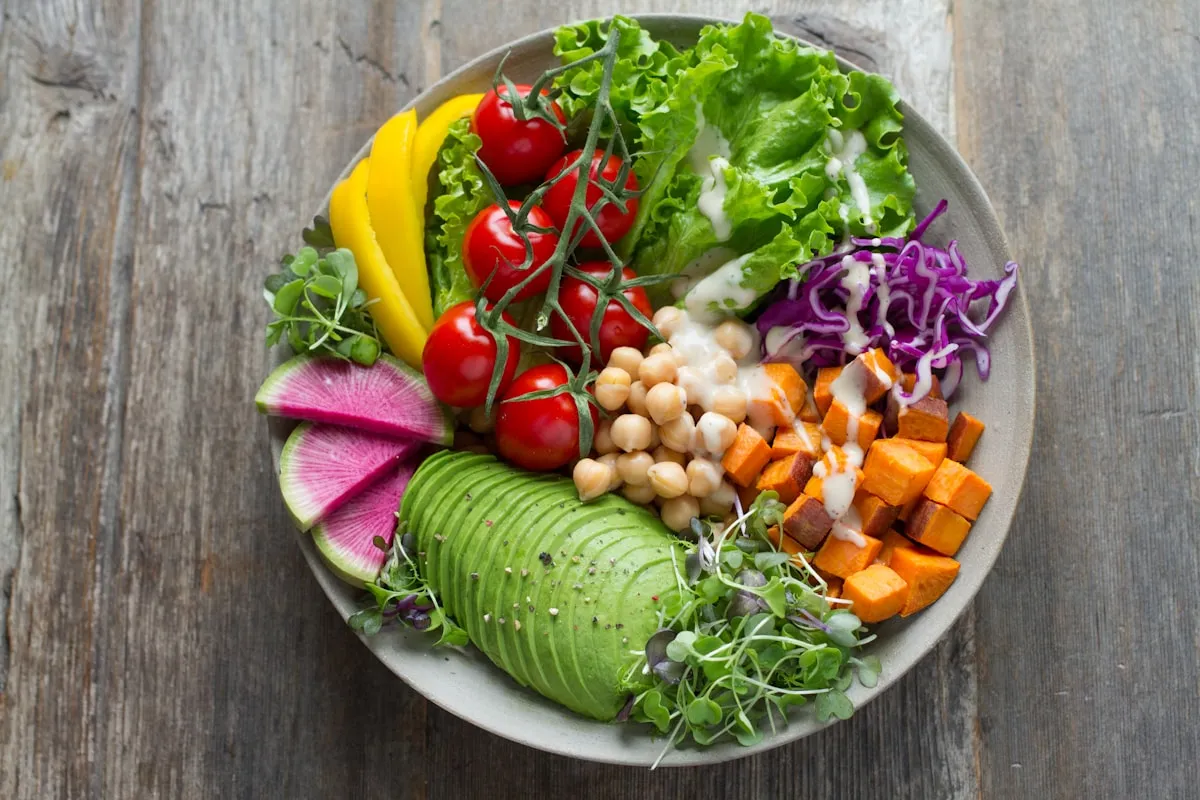
If you are tired of salads that leave you reaching for a snack thirty minutes later, you have come to the right place. Most people treat salad as a side thought: a pile of limp greens with a splash of bottled vinaigrette. But we are leveling up. This Healthy Quinoa and Black Bean Salad is a structural marvel designed to keep you full and fueled. It is a texture bomb that balances creamy beans, fluffy grains, and crunchy vegetables with a punchy citrus lift. Whether you are looking for healthy dinner ideas or a meal-prep savior, this dish is a non-negotiable addition to your rotation.
The Molecular Magic of the Pseudocereal
Let’s get nerdy for a second. Quinoa isn’t actually a grain; it’s a "pseudocereal": the seed of a plant related to spinach and beets. This distinction is why it behaves differently in your pot than rice or pasta. The science of a perfect salad starts with the preparation of this seed.
First, let’s talk about saponins. Quinoa seeds are naturally coated in these bitter, soapy-tasting compounds meant to deter birds in the wild. If you skip rinsing your quinoa, you are essentially eating bird-repellent. Use a fine-mesh strainer and agitate the seeds under cold water until the water runs clear. This doesn't just improve flavor; it changes the surface tension of the seeds, allowing for better heat penetration during cooking.
Now, throw away the instructions on the back of the box. Most packages suggest a 2:1 ratio of water to quinoa. Scientifically, that is a recipe for mush. For the fluffy, distinct grains you see in high-end quick family meals, you want a 1.5:1 ratio. Why? Because quinoa contains a significant amount of internal moisture that is released as it heats. Over-saturating the cooking environment prevents the grain from reaching that "al dente" snap.
Once the water is absorbed, the real magic happens: the "germ" or the "tail" will curl away from the seed. This indicates the starch has gelatinized and the protein structure has softened. But don't you dare touch it yet. Take the pot off the heat, keep the lid on, and let it sit for ten minutes. This "steaming phase" allows the residual heat to distribute moisture evenly through the batch. If you stir it immediately, you’ll crush the delicate germs. Use a fork to fluff it afterward: the tines separate the grains without smashing them, preserving that light, airy texture.
Flavor Balancing and Osmotic Pressure
When we combine the quinoa with black beans, we aren't just making a salad; we are creating a "complete protein." Quinoa contains all nine essential amino acids, but it's low in lysine. Beans, on the other hand, are lysine superstars. Combining them creates a nutritional synergy that rivals any steak, making it one of the most efficient healthy dinner ideas for plant-based eaters.
The dressing is where the chemistry of flavor comes into play. You need to dress the quinoa while it is still slightly warm. This is due to osmotic pressure. As the quinoa cools, it contracts. If the dressing is present during this cooling phase, the grains will pull the vinaigrette into their cellular structure rather than just letting it coat the outside.
Balance the acidity of lime juice with a high-quality fat. Fat molecules carry flavor across your palate, while the citric acid in the lime juice breaks down the heavy starches in the beans. If your salad tastes "flat," it almost always lacks acidity, not salt. Acid brightens the earthy notes of the black beans and the nuttiness of the quinoa.
Variations for Every Palate
While the base of quinoa and black beans is solid, you should view it as a canvas. Here are three ways to pivot the flavor profile depending on what's in your pantry:
- The Mediterranean Pivot: Swap the lime for lemon and the cilantro for parsley. Add feta cheese for a salty, creamy contrast. The lactic acid in the cheese provides a different kind of "tang" than the citrus, which pairs beautifully with the earthy quinoa.
- The Smoky Southwestern: Add a teaspoon of smoked paprika or chipotle powder to your dressing. The capsaicin in the peppers adds a heat that stimulates the appetite, while the "smoke" mimics the Maillard reaction (the browning of meat) without actually needing heat.
- The Crunch Factor: If you find the texture too soft, add toasted pumpkin seeds (pepitas) or sunflower seeds. These seeds are high in fats that provide a "crunch" barrier, preventing the salad from feeling like a bowl of mush.
Remember, the key to a successful variation is maintaining the balance of protein, starch, and acid. If you add something heavy like avocado, you must increase the lime juice to cut through that extra fat.
Side Dish Pairings that Pop
Even though this salad is a powerhouse on its own, I love pairing it with something that offers a temperature or texture contrast. Since we are all about efficiency, I often turn to my favorite air fryer recipes dinner shortcuts.
For example, thin corn tortilla strips tossed in a tiny bit of lime and sea salt become incredibly crispy in the air fryer in just three minutes. They add a toasted corn flavor that ties the beans and quinoa together perfectly. If you want a more substantial meal, you can serve this salad alongside a piece of white fish or grilled chicken.
Another great pairing is a quick side of charred corn. You can actually toss whole kernels in the air fryer with a dash of chili powder until they are slightly blistered. This adds a sweet, smoky element that complements the brightness of the salad. For more inspiration on how to use your gadgets to speed up the process, check out our guide on air fryer sausage and peppers: the same principles of high-heat, quick-turnaround cooking apply here!
FAQ: The Science of "What If?"
Why is my quinoa always bitter?
As I mentioned earlier, this is almost certainly the saponins. However, if you did rinse it and it's still bitter, you might be over-cooking it. When the grains burst, they release more of their internal alkaloids. Stick to the 1.5:1 ratio and the 15-minute cook time to keep those seeds intact.
Can I use canned beans, or should I cook them from scratch?
Canned beans are a miracle of modern food science and a staple for quick family meals. They are pressure-cooked in the can, which actually makes their lectins easier to digest for some people. Just make sure to rinse them thoroughly to remove the "aquafaba" (the starchy liquid in the can), which can make your salad slimy and overly salty.
My salad tastes bland even though I salted it. Help!
Salt is a flavor enhancer, not a flavor creator. If it tastes "dull," you don't need more salt; you need more acid. Squeeze another lime over the bowl. Acid "wakes up" the taste buds by triggering saliva production, which helps distribute the flavor molecules across your tongue more effectively.
How long does this keep in the fridge?
Because quinoa is a seed and black beans are quite stable, this salad is a meal-prep champion. It will stay fresh and structurally sound for 3 to 5 days. In fact, it often tastes better on day two because the flavors have had more time to undergo "maceration": the process where the acid in the dressing breaks down the cell walls of the vegetables, allowing the flavors to meld.
Can I freeze this salad?
I wouldn't recommend it. While the quinoa and beans freeze fine, the fresh vegetables like bell peppers and cilantro will turn into a watery mess once thawed. The ice crystals that form during freezing rupture the cell walls of the fresh produce. If you want to prep ahead, freeze the cooked quinoa and beans together, then add the fresh components and dressing after thawing.
Is red quinoa better than white?
Red and black quinoa have a thicker seed coat, which means they hold their shape better and have a more "crunchy" texture. White quinoa is the softest and fluffs up the most. For this salad, I prefer white or a "tri-color" blend to get the best of both worlds: softness from the white and structure from the red.
This salad isn't just a meal; it's a lesson in kitchen efficiency. By understanding the science of the ingredients, you turn a simple bowl of seeds and beans into a culinary highlight. Now go rinse that quinoa and get to work!