Recipe
Servings
Servings 1×
Ingredients
- Beans
- Eggs
- Greek yogurt
- Berries
- Lemon
- Cream
- Butter
- Salt
Method
- Let’s be honest: most "keto" versions of breakfast classics feel like you’re eating a sponge soaked in disappointment.
- Use a high-quality, blanched, fine-ground almond flour.
- Let your batter sit for at least five to ten minutes before it touches the pan.
- Use a thin, wide turner to get under the cake completely.
Let’s be honest: most "keto" versions of breakfast classics feel like you’re eating a sponge soaked in disappointment. But it doesn’t have to be that way. If you’ve been hunting for easy healthy breakfasts that actually make you want to get out of bed, you’ve hit the jackpot. These almond flour pancakes are light, airy, and possess that elusive "real pancake" crumb without the massive carb crash. Whether you’re diving into keto recipes for beginners or you’re a seasoned pro, mastering the fluff is all about understanding the science behind the batter.
The Architecture of the Air-Pocket: Why Science Matters
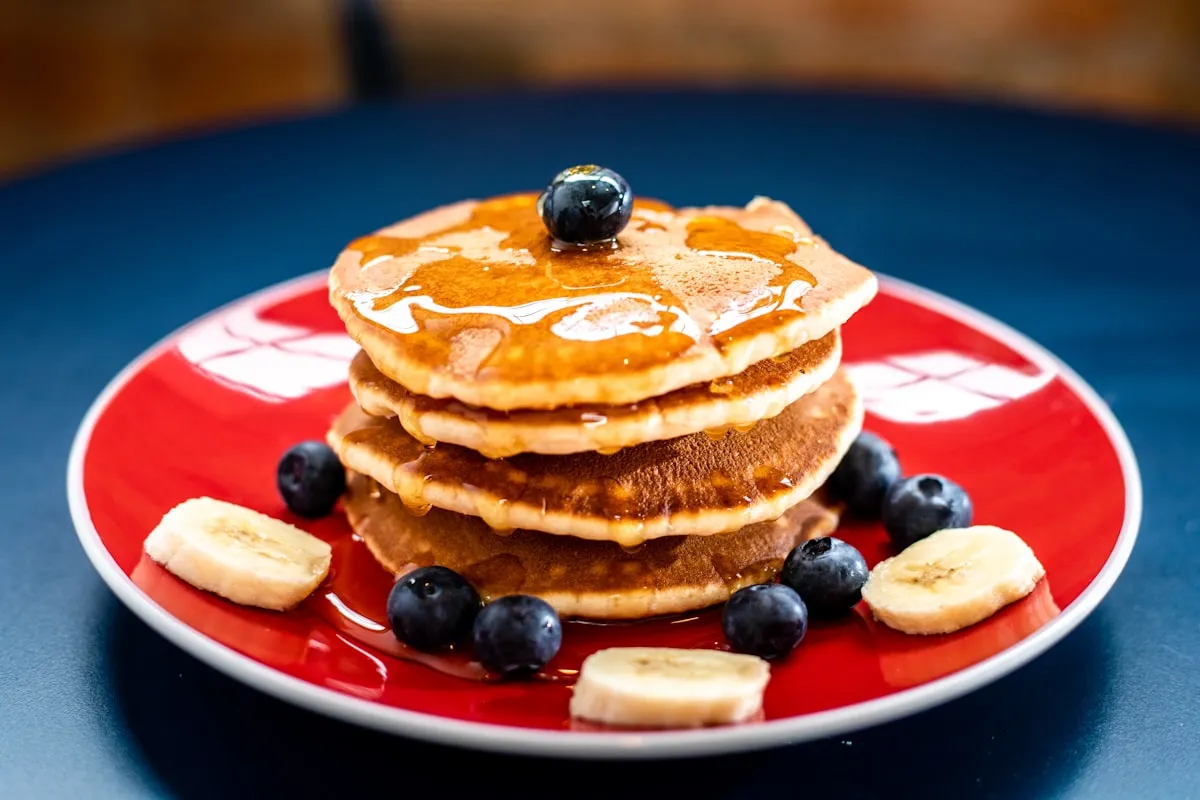
The biggest hurdle with almond flour is that it’s heavy. Unlike wheat flour, which contains gluten, a protein that acts like a stretchy spiderweb to trap gas, almond flour has zero structural integrity on its own. It’s basically just ground-up nuts. To get that iconic lift, you have to engineer a substitute structure. In this world, eggs are your structural steel. When you whisk your batter, you aren't just mixing; you’re emulsifying the fats and proteins to create a network that can actually hold air.
Use a high-quality, blanched, fine-ground almond flour. Avoid anything labeled "almond meal," or you’ll end up with a gritty texture that feels like eating beach sand. The finer the grind, the more surface area the egg proteins have to cling to, resulting in a smoother, more cohesive cake. Check the labels; if it looks like it has brown flecks (skins), put it back.
The next pillar of fluff is leavening. Because almond flour is dense, you often need about 50% more baking powder than you would in a traditional recipe. When that powder hits the liquid and then the heat, it releases carbon dioxide. But since there’s no gluten to trap that CO2, you have to help it out. This is where the "lid trick" becomes a non-negotiable technique. By covering your pan with a lid during the first two minutes of cooking, you create a localized steam chamber. This steam helps the pancakes rise rapidly before the edges set, and it ensures the center cooks through without burning the bottom.
Finally, respect the rest. Let your batter sit for at least five to ten minutes before it touches the pan. This allows the almond flour to hydrate and the baking powder to fully activate. If you skip this, your first batch will be flat and your last batch will be perfect. Patience is a culinary virtue that pays off in vertical height.
Mastering the Flip and the Heat
Temperature management is where most people fail at almond flour pancakes. Almonds have a high fat content, which means they brown (and burn) much faster than wheat-based batters. Turn your heat down. If you usually cook pancakes on medium-high, drop it to medium-low. You want a long, gentle sizzle rather than a quick sear.
Wait for the bubbles, but don't wait too long. In traditional pancakes, you wait for bubbles to pop and stay open. With almond flour, the bubbles are more delicate. Look for the edges to lose their "wet" shine and turn matte. This is your signal that the internal structure has set enough to survive the trauma of a spatula. Use a thin, wide turner to get under the cake completely. Avoid a timid flip; be decisive to keep the air pockets from collapsing upon impact.
Flavor Profiles and Structural Shifts
Once you’ve mastered the base, you can start playing with the chemistry. For a richer, almost cheesecake-like interior, whisk in a tablespoon of softened cream cheese or full-fat Greek yogurt. The acidity in the yogurt reacts with the baking powder, providing an extra boost of lift while adding a sophisticated tang that cuts through the richness of the almonds.
If you find the texture too tender, you can add a pinch of xanthan gum or psyllium husk powder. These act as "gluten mimics," giving the pancake a slightly chewier, more traditional mouthfeel. Just be careful, a little goes a very long way. Too much and you’re eating a bouncy ball. For those who want a nut-free variation, substituting a small portion of the almond flour with coconut flour can increase the fluffiness because coconut flour is incredibly absorbent, but you’ll need to drastically increase your liquid ratio to compensate.
For a classic sweet profile, use vanilla bean paste and a pinch of sea salt. The salt is crucial; it highlights the natural sweetness of the almonds and makes the flavors pop. If you're feeling adventurous, fold in a few sugar-free chocolate chips or fresh blueberries after the batter has rested, right before they hit the pan.
The Perfect Plate: Pairings for Balance
While these pancakes are the star of the show, a balanced keto plate needs some savory contrast to cut through the density. High-quality fats and proteins are your best friends here. I always recommend serving these with a side of salty, crispy protein. If you’re a fan of air-fryer-breakfast-sausages, they provide the perfect umami balance to a stack of sweet pancakes.
Don't forget that breakfast for dinner is one of the best quick family meals you can have in your back pocket. It’s faster than most air fryer recipes dinner options and usually results in zero complaints from the kids. If you're looking for more healthy dinner ideas, try serving these pancakes alongside a savory kielbasa roast for a "brunch-at-night" vibe. Top your stack with a dollop of grass-fed butter and a drizzle of sugar-free maple syrup, or better yet, a quick warm berry compote made by microwaving frozen raspberries with a squeeze of lemon.
FAQ: Troubleshooting the Fluff
Why are my pancakes falling apart when I try to flip them?
This usually happens for two reasons: the pancake is too big or it hasn't cooked long enough. Almond flour lacks the "glue" of gluten, so keep your pancakes small, aim for about 3-4 inches in diameter. Also, ensure the edges are dry and the top is starting to set before you even think about sliding that spatula under.
How do I get rid of the "eggy" taste?
If your pancakes taste more like an omelet than a cake, you likely need more aromatics. Up your vanilla extract game, add a dash of cinnamon, or grate some fresh lemon zest into the batter. The acidity in lemon zest or a tiny splash of apple cider vinegar helps neutralize the sulfurous notes in the eggs.
Can I make the batter ahead of time?
You can, but the baking powder will lose its punch if left overnight. If you want to prep ahead, mix your dry ingredients and wet ingredients separately, then combine them in the morning. If you must mix it all at once, you might need to add a fresh pinch of baking powder right before cooking to ensure you still get that rise.
Why are they burnt on the outside but raw in the middle?
Your pan is too hot. Almond flour is sensitive. Lower the heat and use the lid method mentioned above. The lid creates an oven effect that cooks the center using trapped steam, allowing the pancake to finish through-and-through before the bottom turns into charcoal.
Is it normal for the batter to be very thick?
Yes. Almond flour batter should be thicker than traditional wheat batter. It should "ribbon" off the spoon slowly. If it’s too runny, the pancakes will spread too thin and lose their fluff. If it’s too thick (like cookie dough), add a teaspoon of water or almond milk at a time until it reaches a heavy pourable consistency.
{“@type”:”FAQPage”,”@context”:”https://schema.org”,”mainEntity”:[{“name”:”Why are my keto pancakes falling apart when I flip them?”,”@type”:”Question”,”acceptedAnswer”:{“text”:”Almond flour lacks gluten, making the structure fragile. To prevent breaking, keep pancakes small (3-4 inches) and wait until the edges are completely matte and dry before flipping.”,”@type”:”Answer”}},{“name”:”How do I make almond flour pancakes less eggy?”,”@type”:”Question”,”acceptedAnswer”:{“text”:”Increase the amount of vanilla extract, cinnamon, or lemon zest. Adding a small amount of acidity, like lemon juice or apple cider vinegar, can also help neutralize the egg flavor.”,”@type”:”Answer”}},{“name”:”Why do my keto pancakes burn so easily?”,”@type”:”Question”,”acceptedAnswer”:{“text”:”Almond flour has a high fat and protein content which undergoes the Maillard reaction (browning) much faster than wheat flour. Cook them over medium-low heat and use a lid to help the center cook without burning the exterior.”,”@type”:”Answer”}},{“name”:”Can I use almond meal instead of almond flour?”,”@type”:”Question”,”acceptedAnswer”:{“text”:”It is not recommended for fluffy pancakes. Almond meal is coarser and includes the skins, resulting in a gritty, heavy pancake. For the best fluff, use fine-ground, blanched almond flour.”,”@type”:”Answer”}}]}