Recipe
Servings
4 servings 1×
Serves 4Prep 20 minCook 15 minTotal 35 min
Nutrition per serving
Ingredients
- 5 lbs chicken breast cut into 1-inch pieces
- 1/4 cup extra virgin olive oil
- 1 large lemon juiced
- 3 cloves garlic minced
- 1 tbsp dried oregano
- 2 cups cooked quinoa or rice fluffed and cooled
- 1 English cucumber diced
- 1 cup cherry tomatoes halved
- 1/2 cup tzatziki sauce store-bought or homemade
- 1/4 cup feta cheese crumbled
Method
- In a large mixing bowl, whisk together the olive oil, lemon juice, minced garlic, oregano, salt, and pepper.
- Toss the chicken pieces until evenly coated.
- Marinate for at least 20 minutes.
- Heat your skillet over medium-high heat.
- Cook the chicken for 5-7 minutes, turning occasionally, until the pieces are golden brown and reach an internal temperature of 165°F.
- While the chicken rests, dice the cucumber, halve the tomatoes, and thinly slice the red onion.
- Toss them together with a tiny pinch of salt to draw out the flavor.
- Divide the cooked quinoa or rice among four containers.
- Add a portion of the grilled chicken, the vegetable mix, Kalamata olives, and a crumble of feta cheese.
- Top each bowl with a dollop of tzatziki and a garnish of fresh parsley.
- If prepping for the week, keep the tzatziki in a small separate container to maintain maximum freshness.
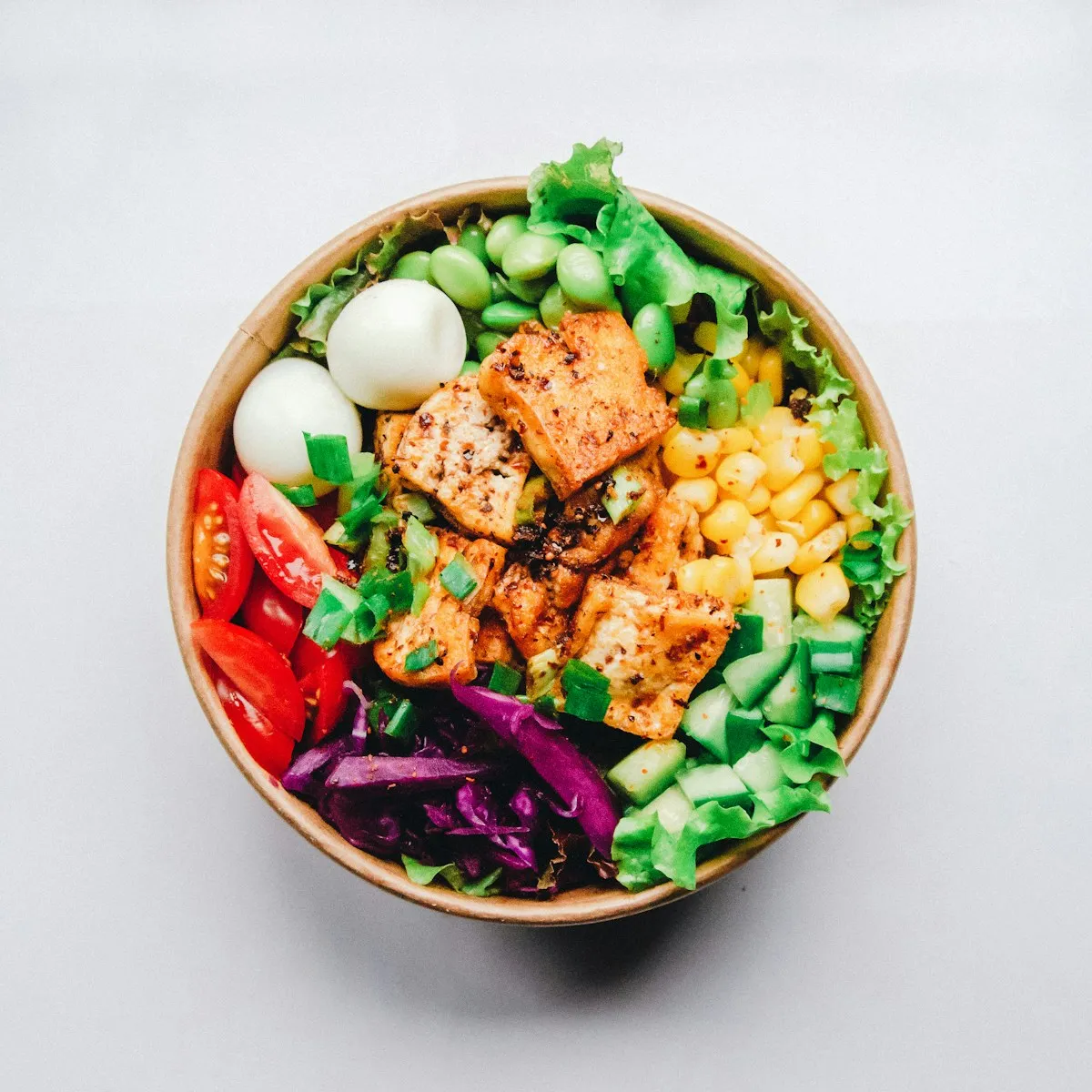
Home cooking doesn’t have to be a multi-hour saga involving every pot you own. Sometimes, you just need a win that feels like a getaway. My Greek chicken souvlaki bowls are exactly that, a hit of bright acidity, savory char, and creamy cooling textures that come together faster than you can order takeout. This is one of my favorite quick healthy meals because it relies on high-impact flavor profile rather than complex prep. If you are looking for healthy weeknight dinners that actually satisfy, you’ve found the gold standard.
The Chemistry of the Char: Why High Heat and Acid Matter
Most people think a marinade is just for flavor, but there is some serious science happening inside that bowl of lemon juice, garlic, oregano, and yogurt. To master these souvlaki bowls, you need to understand three things: protein denaturation, moisture management, and the Maillard reaction. Sounds nerdy. It is nerdy. It is also the reason one batch tastes juicy and deeply savory while another tastes like it picked a fight with a sponge.
Start with the marinade. Acid gets all the attention because lemon juice is dramatic, but yogurt is the quiet overachiever here. Yogurt contains lactic acid, which is gentler than the sharper citric acid in lemon juice. That matters. A harsh acid can tighten and unravel surface proteins too fast, which is how chicken turns mushy on the outside before the inside gets any real benefit. Lactic acid works more slowly, softening the exterior in a more controlled way. In plain English: yogurt gives you a wider margin for error. It nudges the meat toward tenderness instead of shoving it off a cliff.
Yogurt also clings to the chicken better than a watery marinade. That thick coating helps herbs and aromatics stay in contact with the meat rather than sliding sadly to the bottom of the bowl. Garlic, oregano, and olive oil stick where you want them, and the milk proteins in yogurt can help form an attractive browned crust once the chicken hits high heat. It is not magic. It is just a very convenient mix of water, protein, fat, and acid doing useful kitchen work.
Now for the firm coaching part: do not marinate forever just because yogurt seems gentle. More time does not always equal more flavor. Marinades mostly affect the outer layer of meat, especially with chicken chunks used for souvlaki. The salt and acid change the surface, while the interior stays mostly itself. Aim for about 1 to 4 hours for the best balance. You can stretch a little longer if the marinade is yogurt-heavy and not too lemon-aggressive, but an overnight soak in a highly acidic mix is still a one-way ticket to limp texture. Use enough time to tenderize and season the exterior. Avoid treating the chicken like a science fair volcano.
Salt deserves its own moment, too. It does more than make food taste like itself. Salt dissolves some muscle proteins at the surface, which helps the meat retain moisture during cooking. That is one reason properly seasoned grilled chicken tastes juicier. It is not that the salt “seals in” juices, because that phrase needs to retire. It is that salt changes how proteins hold onto water. Tiny distinction, big payoff.
Next, let’s talk physics, because great souvlaki depends on heat transfer as much as marinade chemistry. If you want that deep, smoky, golden-brown flavor, you have to respect the Maillard reaction. This is the chain of browning reactions between amino acids and reducing sugars that creates hundreds of new flavor compounds. That gorgeous savory complexity only happens efficiently when the surface is hot and relatively dry. If the chicken is dripping marinade, the energy from the pan or grill gets wasted evaporating water first. Water has the audacity to hold food at around the boiling point until it cooks off. That means no proper browning, no crust, and no glorious charred edges.
So pat the chicken dry-ish before cooking. Not sterile-lab dry, just not swampy. Leave a thin coating for flavor, but remove the excess. This is non-negotiable if you want color instead of beige. Beige is fine for cardigans. It is not fine for souvlaki.
Use a heavy-bottomed skillet or a properly preheated grill. Cast iron is excellent because it stores a lot of thermal energy and does not panic when cold chicken touches it. Thin pans, on the other hand, lose heat fast and leave you with gray, sad meat that tastes boiled with ambition issues. High heat matters because browning requires enough energy to build a crust before the interior overcooks. That is the balancing act: fast exterior browning, controlled interior cooking.
When you lay the chicken down, leave it alone. Do not poke it. Do not shuffle it around like you are searching for lost keys. The meat needs steady contact with the hot surface so conduction can do its job. As the proteins brown and dehydrate slightly, the chicken will release more naturally. If it is sticking badly, either the crust has not formed yet, or your pan was not hot enough at the start. Usually it is your patience. Sorry, but there it is.
If you grill the chicken on skewers, give the pieces a little space. Packed-too-tight skewers trap steam between the chunks, and steam is the enemy of good browning. A tiny bit of airflow helps the heat circulate and encourages those dark edges that make grilled chicken taste like summer got its act together. Also, pull the chicken once it reaches temperature and let it rest briefly. Resting allows the hot juices to redistribute instead of flooding out the second you cut into it. You are not being fussy. You are protecting your dinner.
One more science bit worth knowing: darker meat like chicken thighs is naturally more forgiving because it contains more fat and connective tissue than breast meat. That extra fat buffers the effects of high heat and buys you time. Breast meat can absolutely work, but it punishes overcooking with stunning efficiency. Use thighs if you want the easiest path to juicy results. Use breast if you are attentive and own a thermometer. Guessing is how dry chicken keeps happening to good people.
Variations: Balancing the Bowl for Every Lifestyle
While the classic souvlaki bowl relies on a base of fluffy rice or pita, the beauty of this dish is its adaptability. The goal is always balance: you want something to cut through the richness of the seared meat and the oil.
If you are looking for a lower-carb healthy weeknight dinner, swap the rice for a bed of massaged kale or cauliflower rice. To make the kale work, you must break down its fibrous structure with a bit of lemon juice and salt, literally rub it between your hands until it turns dark green and soft. This mimics the “chew” of a grain without the heavy starch.
For a plant-based twist, extra-firm tofu or chickpeas work surprisingly well with the same marinade. If you use tofu, press it under a heavy weight for at least 20 minutes to remove excess water. This ensures it can withstand the high heat required for that Maillard char. For chickpeas, toss them in a hot skillet with the marinade until they start to pop and get crispy.
If you enjoy a bit of heat, add a pinch of dried red pepper flakes or a dollop of harissa to the bowl. The spice provides a sharp contrast to the cooling cucumber and yogurt, creating a more complex flavor profile that keeps every bite interesting.
Side Dish Pairings: Acidity vs. Richness
The magic of Mediterranean cooking lies in the interplay of opposites. You have the warm, salty, charred chicken, so you need sides that provide acidity, crunch, and cooling contrast to reset your palate between bites.
Tzatziki is non-negotiable. The thick, strained Greek yogurt provides a creamy fat source that carries the herbal notes of the garlic and dill, but it also brings a little food science to the table. Yogurt contains live bacterial cultures when it is made with active strains, and those probiotics are part of what makes yogurt such a fascinating ingredient. Now, let’s keep this practical: once yogurt gets mixed into a sauce and sits next to hot food, and especially if it is exposed to heat, you should not treat it like a miracle wellness potion in a bowl. Probiotic survival depends on temperature, storage, and the specific strains used. In other words, the main reason to use yogurt here is flavor and texture first. The possible probiotic benefit is a bonus, not the headliner.
What matters most for the bowl is yogurt’s structure. Its proteins and fat create a cooling, creamy contrast that softens the intensity of garlic, salt, and charred meat. However, the secret to great tzatziki is not just the yogurt; it’s the cucumber. You must grate the cucumber and then squeeze out every single drop of water using a clean kitchen towel. If you skip this, your sauce turns watery fast, and then it slides all over the bowl doing nobody any favors. Thick sauce clings. Thin sauce wanders.
Pair your bowl with a sharp, vinegar-heavy cucumber and tomato salad. Avoid heavy dressings here. A simple splash of red wine vinegar and a drizzle of high-quality extra virgin olive oil is enough. The vinegar acts like a palate reset button, cutting through the fat of the chicken and the creaminess of the feta cheese. If you have five extra minutes, quick-pickle some red onions by letting them sit in a bit of vinegar and sugar. That bright pink pop and clean tang make the whole bowl taste sharper, brighter, and much more intentional.
If you want one more smart pairing, add something briny. Olives or a few capers bring salinity and slight bitterness, which make the sweeter notes in grilled chicken stand out more clearly. Balance is the whole game here. Rich meat, cool sauce, crisp vegetables, sharp acid, salty cheese. Get those contrasts right and this stops being just dinner and starts acting suspiciously like the best thing you have made all week.
FAQ: The "What If" Guide to Souvlaki Success
What if my chicken is sticking to the pan?
Check your patience first. If the chicken is sticking, it usually means the Maillard crust has not fully formed yet. Protein releases more naturally from the pan once that browned surface develops. Give it another minute before you try to force the issue. If it is still sticking, your pan probably was not hot enough when you started, or the chicken surface was too wet.
What if my yogurt marinade makes the chicken burn too fast?
That usually means you have too much marinade clinging to the outside, or your heat is too aggressive for the amount of milk solids on the surface. Yogurt helps browning, but those proteins can go from golden to overly dark in a hurry. Wipe off the excess before cooking and keep the heat high but controlled. You want browning, not a smoke alarm solo.
Can I use chicken breast instead of thighs?
You can, but be careful. Thighs have more intramuscular fat, making them more forgiving under high heat. Breasts go from juicy to "why is this so dry?" in record time. If using breasts, cut them into even pieces so they cook at the same rate, and pull them off the heat the second they hit 165°F (74°C). Use a thermometer. Hope is not a method.
What if I marinated the chicken overnight?
It may still be usable, especially if the marinade was mostly yogurt and only lightly acidic. But if it had a lot of lemon juice, the exterior may turn soft or chalky because the proteins have broken down too much. Cook a piece and check the texture before committing the whole batch to dinner. Next time, keep the marinating window tighter. Controlled marination wins.
Why is my chicken browning unevenly?
Usually one of three things is happening: your pieces are different sizes, the pan has hot spots, or the chicken was too crowded. Uniform chunks cook more evenly, and cooking in batches protects the surface temperature. If all the pieces are jammed together, they steam each other instead of searing. Give them space. Chicken needs boundaries.
Why is my tzatziki so bland?
It probably needs more salt and more acid. Salt wakes up the flavor of cucumber, while lemon juice adds the brightness that balances the fat in the yogurt. Garlic matters, too. Raw garlic tastes sharp on its own, but yogurt softens and rounds it out. Add enough to taste it clearly, not just politely.
Do the probiotics in yogurt still count once it is in tzatziki?
Sometimes yes, sometimes less than you think. If the yogurt contains live active cultures and stays cold, some probiotics may still be present. But the exact amount depends on the brand, storage, age, and whether the sauce gets warmed up by hot food or sits out too long. Treat probiotics as a nice extra, not the reason the sauce exists. The main win is the cool, tangy balance yogurt brings to the bowl.
What if I do not have a cast-iron skillet?
Any heavy skillet will do. Just avoid thin pans with wild hot spots and poor heat retention. If you are using non-stick, know that you will not get the same level of aggressive browning because the surface does not encourage the same kind of crust development. It will still work, but the texture will be softer and the char less dramatic.
Is it okay to use dried herbs instead of fresh?
Yes, especially for oregano. Dried oregano is actually more traditional in many souvlaki-style preparations and holds up well to high heat. Fresh herbs are better as a finishing move. Add them at the end when you want brightness, not during cooking when they can fade into the background.
Troubleshooting Guide
| Issue | Root Cause | Solution |
|---|---|---|
| Rubbery Chicken | Marinated too long in lemon juice. | Keep marinating time under 6 hours; 1-2 hours is ideal. |
| Gray/Soggy Meat | Pan was crowded or chicken was too wet. | Pat chicken bone-dry; cook in batches to maintain high heat. |
| Watery Tzatziki | Cucumber wasn't drained properly. | Squeeze grated cucumber in a towel until no more liquid comes out. |
| Bland Flavor | Not enough salt in the marinade or assembly. | Salt the chicken before searing and add a pinch of salt to the veggies. |
| Dry Chicken | Overcooked or sliced too thin. | Use a meat thermometer (165°F) and cut chicken into 1-inch chunks. |
This Greek chicken souvlaki bowl is a testament to the fact that you do not need a lot of time to create a meal that tastes like it has a soul. Understand what the marinade is actually doing, respect the physics of high heat, and use yogurt strategically for both tenderness and cooling contrast. That is how you turn a solid dinner into something you will immediately want again tomorrow. By focusing on the science of the sear and the balance of your sides, you can turn basic healthy weeknight dinners into the highlight of your day. For more rapid-fire dinner inspiration, check out our 15-minute Thai prawn noodles. Now, get that pan hot and start cooking!