Recipe
Servings
Servings 1×
Ingredients
- Quinoa
- Rice
- Asparagus
- Zucchini
- Tomatoes
- Garlic
- Lemon
- Lime
- Cream
- Butter
Method
- Prepare the ingredients described in the article and heat the cooking surface or oven as directed.
- Cook the main ingredients using the heat and timing guidance in the article.
- Finish with the seasonings and garnishes named in the article, then serve.
If you are hunting for healthy dinner ideas that taste like an upscale bistro meal but take zero effort on a Tuesday night, you have landed in the right spot. Weeknight cooking does not need to be a stressful marathon of chopping, guessing, and hoping for the best. When you want something fast, flavorful, and reliable, this combination of tender white fish and roasted green spears is an absolute game-changer. Let's dive into why this pairing works so brilliantly and how to master it every single time.
Mastering the Science of Texture and Doneness
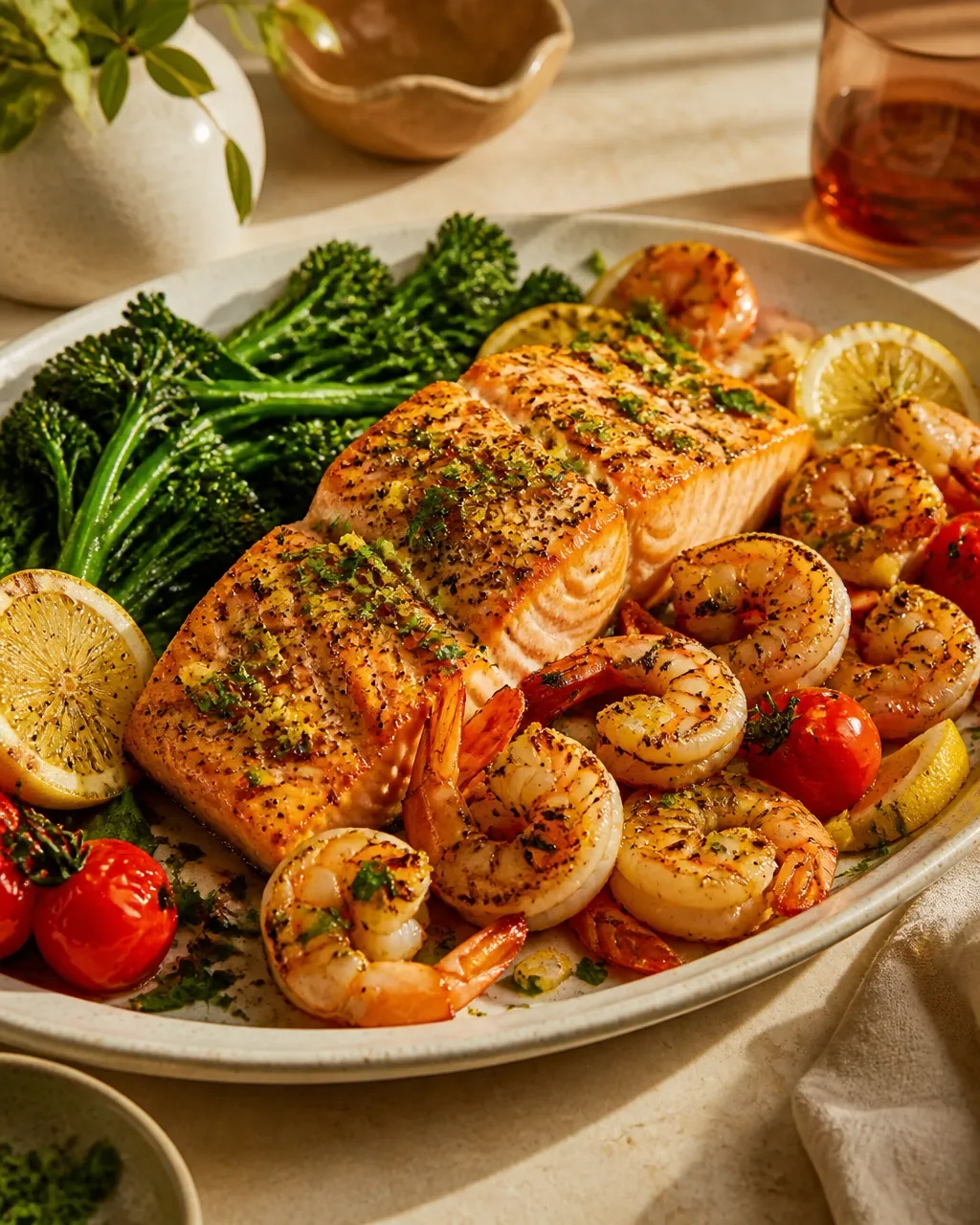
Cooking great fish and vegetables comes down to understanding moisture control and heat transfer. If your past attempts at baked fish ended up soggy or rubbery, the culprit was almost certainly excess surface water.
Always pat your tilapia fillets completely dry with paper towels before seasoning. Minimizing surface moisture allows the high heat of your oven or skillet to work on browning rather than wasting energy boiling off water. This dryness promotes the Maillard reaction: the magical browning of amino acids and sugars that delivers savory depth.
When it comes to doneness, treat tilapia with respect. Because it is a lean, delicate white fish, it cooks remarkably fast. As the internal temperature hits around 145°F, muscle proteins denature and bind together, turning the translucent flesh completely opaque and solid.
- Check for doneness by gently pulling the flesh with a fork; if it flakes easily, pull it immediately.
- Avoid overcooking at all costs, or you will drive out essential moisture and ruin the texture.
For your greens, ditch the steamer basket. Place your asparagus in a single layer on a hot sheet pan at 425°F. Crowding the pan traps steam, leaving you with limp, drab stalks. A single layer ensures direct contact with hot metal and convective air, caramelizing natural sugars and creating irresistible nutty notes.
Flavor Dynamics: Butter, Garlic, and Bright Acidity
The secret weapon of this dish is a luscious garlic-butter-lemon emulsion that coats every single bite. Butter adds rich, velvety mouthfeel, but managing it requires a bit of culinary discipline.
Never blast garlic over high heat, or bitter compounds will ruin your sauce in seconds. Melt your butter at a moderate temperature until it foams: indicating that excess water has boiled off: and sauté your minced garlic for just 30 to 60 seconds until fragrant.
Next comes the magic of emulsification. Whisking fresh lemon juice into warm melted butter creates a stable suspension where tiny droplets of citrus acid disperse through the fat. This brilliant marriage cuts right through the richness of the butter while accentuating the sweet, clean flavor of the fish. If you are looking for quick family meals that satisfy both kids and gourmet palates, this balanced sauce does heavy lifting without requiring culinary school training.
Creative Variations to Switch Up Your Routine
If you want to branch out from classic lemon-garlic profiles while keeping things simple, you have plenty of fun options to explore on our Cookpedia dinner index.
- Swap out the butter for a vibrant herb chimichurri or a zesty cajun spice rub for an extra kick.
- Experiment with different citrus fruits; blood orange or lime juice paired with cilantro offers a completely different flavor profile.
- While our focus here is on oven roasting, you can easily adapt techniques if you enjoy air fryer recipes dinner nights: just adjust cooking times downward since circulating air cooks ultra-fast.
- Toss in other quick-roasting vegetables like cherry tomatoes or zucchini alongside your asparagus to clear out the crisper drawer.
Clever Side Dish Pairings for Complete Balance
To round out your plate without overwhelming your evening, choose sides that complement the buttery richness of the fish.
- Pair your meal with a light, crisp arugula salad tossed in a sharp vinaigrette to provide a refreshing, acidic contrast.
- Serve alongside a scoop of garlic herb quinoa or fluffy jasmine rice to soak up any leftover butter sauce.
- Avoid heavy, cream-laden starches that weigh down the meal; instead, let the bright, fresh notes of lemon and asparagus take center stage.
Frequently Asked Questions
What if I only have frozen tilapia fillets?
Thaw your fillets completely in the refrigerator overnight, then pat them thoroughly dry with multiple layers of paper towels before seasoning. Never cook frozen fish straight from the freezer for this recipe, or surface water will steam the fish and prevent any browning.
Can I substitute another fish for tilapia?
Absolutely. Cod, swai, halibut, or even mild catfish fillets work wonderfully with this technique. Just keep an eye on thickness; thicker cuts of cod will need a few extra minutes in the oven to reach flaky perfection.
Why is my garlic turning brown and tasting bitter?
Your pan was too hot or the butter burned. Butter has milk solids that scorch easily at high temperatures. Keep your heat at medium-low when blooming garlic in butter, and remove the pan from the heat the second the garlic smells intensely fragrant.
How do I prevent asparagus from becoming woody?
Snap off the tough woody ends of the asparagus spears naturally by bending them near the bottom; they will break right at the sweet, tender breakpoint. Never chop off random lengths with a knife, or you will leave inedible fibrous ends on your plate.
Is this recipe suitable for low-carb or keto diets?
Yes! Tilapia is pure lean protein, butter provides healthy fats, and asparagus is exceptionally low in carbohydrates and high in fiber, making it a stellar choice for anyone watching their carb intake.
{“@type”:”FAQPage”,”@context”:”https://schema.org”,”mainEntity”:[{“name”:”What if I only have frozen tilapia fillets?”,”@type”:”Question”,”acceptedAnswer”:{“text”:”Thaw your fillets completely in the refrigerator overnight, then pat them thoroughly dry with multiple layers of paper towels before seasoning. Never cook frozen fish straight from the freezer for this recipe, or surface water will steam the fish.”,”@type”:”Answer”}},{“name”:”Can I substitute another fish for tilapia?”,”@type”:”Question”,”acceptedAnswer”:{“text”:”Cod, swai, halibut, or mild catfish fillets work wonderfully with this technique. Just adjust cooking times according to the thickness of your fillets.”,”@type”:”Answer”}},{“name”:”Why is my garlic turning brown and tasting bitter?”,”@type”:”Question”,”acceptedAnswer”:{“text”:”Your pan was too hot or the butter burned. Keep your heat at medium-low when blooming garlic in butter, and remove the pan from the heat the second the garlic smells fragrant.”,”@type”:”Answer”}},{“name”:”How do I prevent asparagus from becoming woody?”,”@type”:”Question”,”acceptedAnswer”:{“text”:”Snap off the tough woody ends of the asparagus spears by bending them near the bottom; they will naturally break right at the tender breakpoint.”,”@type”:”Answer”}},{“name”:”Is this recipe suitable for low-carb or keto diets?”,”@type”:”Question”,”acceptedAnswer”:{“text”:”Yes! Tilapia is lean protein, butter provides fats, and asparagus is low in carbohydrates and high in fiber, making it ideal for low-carb and keto lifestyles.”,”@type”:”Answer”}}]}