Recipe
Servings
Servings 1×
Ingredients
- Chicken
- Garlic
- Lemon
- Butter
- Cooking oil
Method
- Keep the method simple, respect the heat, and you have one of those dependable easy dinner recipes worth returning to every week.
- Pat the chicken thighs thoroughly dry before they meet the pan.
- Start with a hot, heavy skillet and a thin film of cooking fat.
- Place the thighs skin-side down and leave them alone.
- Add hardy herbs early enough for their flavor to infuse the cooking fat, then finish with delicate herbs near the end so they retain freshness.
- Let it cook in the rendered chicken fat or pan juices, and keep the heat moderate once the chicken has browned.
Some dinners need a long ingredient list and a sink full of dishes. This one needs a hot skillet, a little patience, and the good sense to let chicken skin do its delicious thing. These crispy skillet lemon herb chicken thighs deliver browned, savory flavor, tender dark meat, and a bright pan sauce without making dinner feel like a project. Keep the method simple, respect the heat, and you have one of those dependable easy dinner recipes worth returning to every week.
Tips & Technique: Make the Skillet Work Harder
Dry skin is the non-negotiable first step
Pat the chicken thighs thoroughly dry before they meet the pan. Do not skip this because you are hungry. Surface moisture creates steam, and steam is the enemy of crisp skin.
When the chicken enters a hot skillet, the pan first has to evaporate water from the surface. Until that moisture disappears, the skin cannot brown properly. You may still cook the chicken safely, but the outside will be pale, soft, and faintly offended.
Dry skin allows the pan’s heat to move into the fat beneath it. As that fat renders, it gently fries the skin and creates the foundation for deep browning. If you have extra time, leave the seasoned thighs uncovered in the refrigerator for several hours. The circulating cold air dries the surface even further.
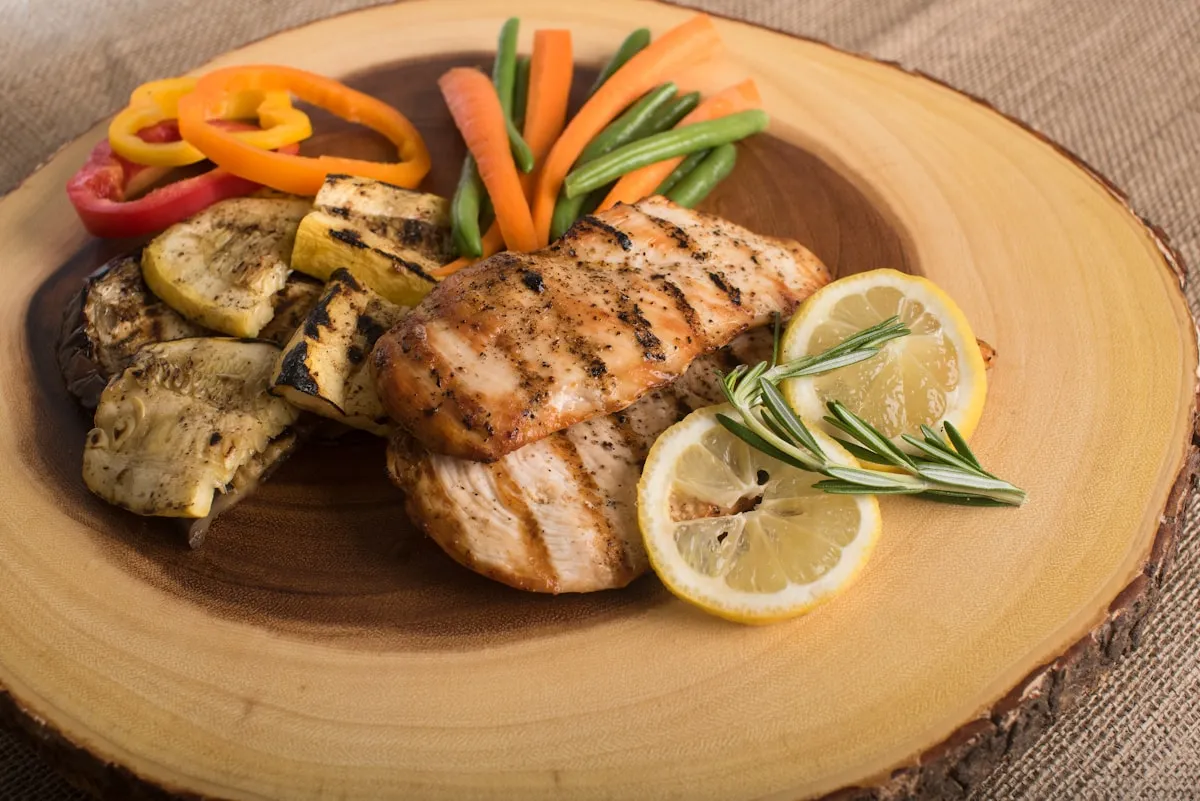
Let browning happen before adding lemon
Lemon brings the brightness this dish needs, but add most of it after the initial browning. Lemon juice is watery and acidic. Put too much on the skin before searing, and you make the pan spend energy evaporating liquid instead of developing color.
Start with a hot, heavy skillet and a thin film of cooking fat. Place the thighs skin-side down and leave them alone. Resist the urge to shuffle them around every thirty seconds. The chicken needs steady contact with the pan so the skin can render and brown evenly.
At first, the skin may stick slightly. That is normal. As browning progresses and the fat renders, it will usually release more easily. If you force it early, you may leave the best part of dinner glued to the skillet. Nobody wants that kind of character-building exercise.
The brown bits left behind are called fond. They contain concentrated savory compounds created during browning. Later, liquid will loosen them and turn them into the backbone of your pan sauce.
Use herbs for aroma, not just decoration
Fresh herbs release aromatic oils as they warm. Rosemary, thyme, and parsley each contribute a different kind of lift: piney, floral, peppery, and green. Add hardy herbs early enough for their flavor to infuse the cooking fat, then finish with delicate herbs near the end so they retain freshness.
Garlic needs attention. Its sulfur compounds soften and sweeten with heat, but minced garlic can scorch quickly in an empty, hot pan. Let it cook in the rendered chicken fat or pan juices, and keep the heat moderate once the chicken has browned. Brown garlic is nutty. Burnt garlic is a tiny bitter dictator.
Finish the chicken gently
Chicken thighs are forgiving, but “forgiving” does not mean “immune to overcooking.” Use an instant-read thermometer in the thickest part of the meat, avoiding the bone.
The minimum safe internal temperature for poultry is 165°F (74°C). Thighs often have a better texture closer to 175–185°F because dark meat contains more connective tissue. That collagen needs enough heat to soften into gelatin, creating the tender, silky texture we want.
Do not rely on color alone. Do not rely on the clock alone. Check the thickest thigh and let the thermometer settle before reading it.
Once the chicken reaches your target, rest it briefly. Carryover heat will continue moving toward the center, while the muscle fibers relax and hold on to more of their juices. Keep the skin exposed during the rest so trapped steam does not soften your hard-earned crispness.
Build the sauce around the browned bits
Remove the chicken temporarily if you need room to work. Use the same skillet for the sauce because washing away the fond would be a culinary waste of the highest order.
Add a small amount of liquid and scrape the bottom gently. This deglazing step dissolves the browned bits and turns them into flavor. Stock gives the sauce savory depth, while lemon cuts through the rendered chicken fat. A little butter or olive oil can round out the texture, but keep the sauce loose and bright rather than heavy.
Return the chicken skin-side up and keep the crisp skin above the liquid. If you submerge it, the sauce will soften the crust. Spoon the sauce around the chicken or underneath it instead. Protect the crunch. The sauce can be generous without being reckless.
For more practical chicken techniques, browse Cookpedia’s chicken recipes and compare this skillet method with our simple lemon herb roasted chicken.
Variations: Keep the Technique, Change the Mood
Treat the skillet method as your reliable base, then adjust the flavor direction.
For a Mediterranean version, use oregano, parsley, and a few briny olives. The saltiness of the olives balances the richness of the chicken, while lemon keeps the finish sharp rather than heavy.
For a creamy variation, build the pan sauce with a small amount of cream after the chicken has browned. Add lemon gradually and avoid boiling the sauce aggressively. High heat plus acid can cause dairy to separate. A gentle simmer gives you a smoother finish.
For a smoky version, add smoked paprika and a pinch of chili flakes. The paprika deepens the color and adds warmth without requiring a complicated spice blend. Finish with lemon to keep the flavor lively.
For a lighter, vegetable-forward plate, add sliced mushrooms or wilted greens to the pan sauce after the chicken is browned. Mushrooms bring savory depth, while greens contribute freshness and slight bitterness. This is a smart way to turn a rich skillet into one of your more balanced healthy weeknight dinners.
You can also use boneless thighs, but adjust your expectations. They cook faster and are easier to slice, yet they do not provide the same crisp skin or slow-rendered flavor as bone-in thighs. Choose boneless when speed matters most and skin-on when texture is the priority.
Side Dish Pairings: Add Contrast, Not Competition
Pair these chicken thighs with sides that bring freshness, acidity, crunch, or a clean starch. The chicken already supplies savory richness, so avoid building the entire plate around more butter and cream unless you are intentionally pursuing a very cozy evening.
Steamed green beans, broccoli, or asparagus add a fresh, slightly bitter counterpoint. Finish them with lemon after cooking rather than before, so their flavor stays bright.
Rice, couscous, or roasted potatoes will catch the pan sauce and make the meal more filling. Keep the portion moderate if you want the plate to stay light.
A peppery arugula salad is especially useful. Its sharp greens and lemony dressing cut through the chicken fat and reset your palate between bites. For more simple meal inspiration, explore Cookpedia’s healthy recipes, quick meals, and 30-minute dinner recipes. These are the kinds of combinations that make quick family meals feel fresh instead of repetitive.
FAQ: What If the Chicken Does Not Behave?
What if the skin is not crispy?
Check the three usual suspects: moisture, heat, and movement. Pat the chicken dry again before cooking, preheat the skillet properly, and leave the thighs undisturbed while the skin renders.
A crowded pan can also create steam. Give each thigh enough room for hot air to circulate and excess moisture to escape. If the skillet is too small, cook in batches rather than forcing everything into one crowded layer.
What if the chicken sticks to the pan?
Wait a little longer before trying to move it. Chicken skin often sticks during the early stage of browning, then releases as the fat renders and the crust firms.
Use a thin spatula to test the edges gently. If the chicken is still firmly attached, it probably needs more time or the pan was not hot enough. Do not pry aggressively unless you enjoy leaving the crispy skin behind.
What if the sauce tastes too sharp?
Add richness gradually. A small amount of butter can soften the acidity, while a splash of stock can dilute it without flattening the flavor completely.
Taste before adding more lemon. The sauce will usually become sharper as it reduces, so add acid in stages. If you accidentally overshoot, balance it with a little more cooking liquid and fat.
What if the chicken is browned outside but raw inside?
Lower the heat and finish the chicken gently with the skillet covered loosely or in a moderate oven, depending on your method. The outside has already received enough direct heat; now the center needs time to catch up.
Check the thickest part with a thermometer and avoid touching the bone. Remember that lemon juice does not make raw chicken safe. Only proper cooking and temperature do that.
What if my thighs are safe but still chewy?
They may simply need more time. The safe minimum temperature and the ideal texture temperature are not always identical for dark meat.
Thighs contain connective tissue that becomes tender as collagen converts into gelatin. If the meat has reached 165°F but still feels tight, continue cooking gently and check again around 175–185°F. Avoid blasting the pan with high heat, which can dry the outside before the connective tissue softens.
Can I prepare these chicken thighs ahead?
You can dry and season the chicken in advance, then keep it refrigerated until cooking. Prepare the herbs and sauce components ahead as well, but keep raw poultry separate from ready-to-eat foods.
Store leftovers in a covered container and refrigerate them promptly. Reheat gently in a skillet or low oven. High heat squeezes moisture from the meat and turns excellent leftovers into something you will politely describe as “fine.”
Can I make this recipe with boneless chicken thighs?
Yes. Boneless thighs cook more quickly and can work well on busy nights, but they will not provide the same dramatic crisp skin as bone-in, skin-on thighs.
Reduce the cooking time and check the thickest piece early. Use the same browning principle: dry the surface, preheat the skillet, and avoid moving the chicken until a crust develops. It remains one of the most useful easy dinner recipes for weeknight cooking, especially when paired with vegetables and a simple grain.
How can I make this part of a healthier dinner routine?
Keep the sauce bright rather than overly creamy, serve plenty of vegetables, and choose a moderate portion of rice or potatoes to catch the juices. The biggest flavor comes from browning, herbs, garlic, and lemon, so you do not need a heavy coating.
Build the plate around contrast: crisp chicken, tender vegetables, sharp greens, and a small amount of starch. That balance makes healthy weeknight dinners feel satisfying instead of worthy. And when there is only one skillet to wash, everyone wins.