Recipe
Servings
Servings 1×
Ingredients
- Chicken
- Zucchini
- Garlic
- Lemon
- Butter
- Salt
Method
- Cook it a little too long and it becomes dry enough to qualify as packing material.
- Let them cook until the meat is tender and the connective tissue has softened.
- Pat the chicken skin thoroughly dry before seasoning it.
- Use a wire rack if you have one.
- Add any sweet or sticky finishing sauce only after checking its nutrition and preferably near the end.
- Use a hot oven to move those stages along efficiently.
If you are new to keto cooking, start with a dinner that rewards simple habits. These crispy baked chicken thighs bring you golden skin, juicy dark meat, and plenty of savory flavor without complicated techniques. Garlic butter zucchini keeps the plate fresh, low in carbohydrates, and decidedly more exciting than a sad pile of steamed vegetables. Learn the small details that make this meal work, then use the same ideas across dozens of weeknight dinners.
Tips & Technique: Master Moisture, Heat, and Browning
Start with the cut that forgives beginners
Choose bone-in, skin-on chicken thighs when you want reliable results. Dark meat contains more fat and connective tissue than chicken breast, so it stays tender through the heat of the oven. That extra fat also helps protect the meat while the skin renders and crisps.
Chicken breast can be delicious, but it has less room for error. Cook it a little too long and it becomes dry enough to qualify as packing material. Thighs are kinder. Let them cook until the meat is tender and the connective tissue has softened. You will get a much more satisfying result.
For another look at how chicken responds to heat, browse Cookpedia’s guide to simple lemon herb roasted chicken. The same principles apply here, just with smaller pieces and a much shorter roasting time.
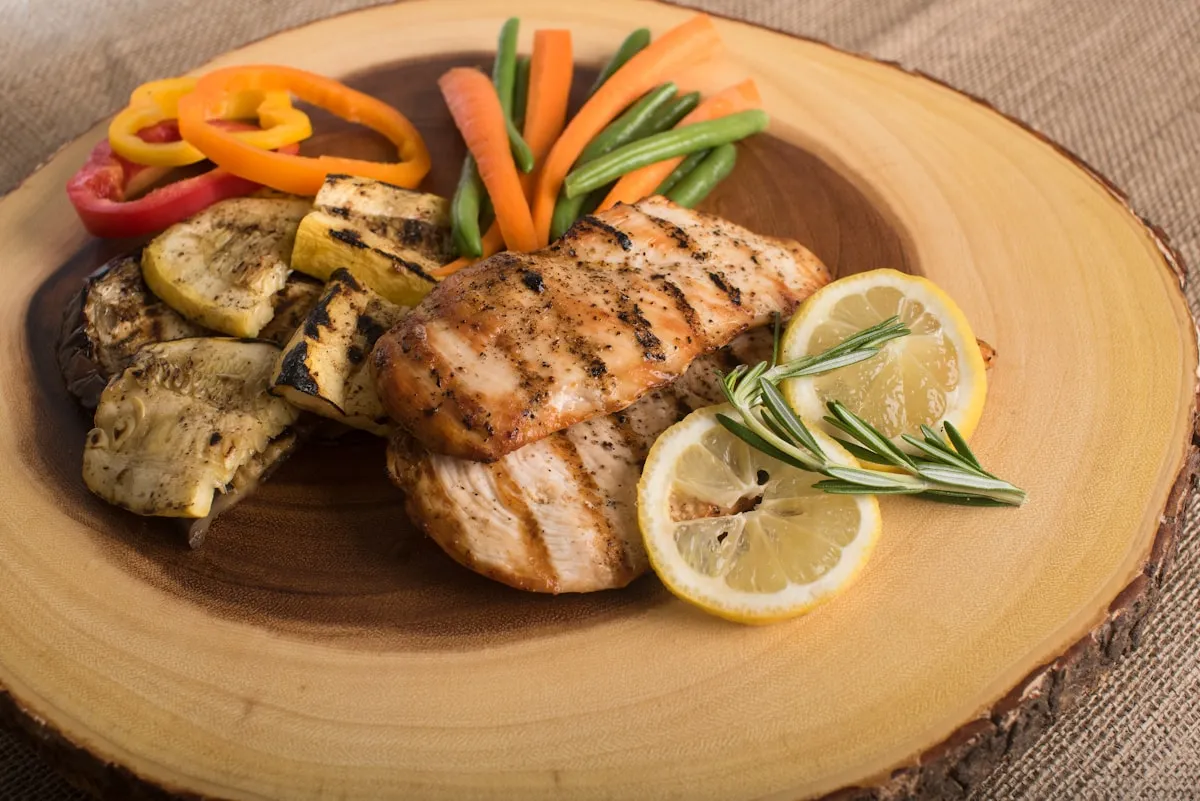
Dry the skin because steam is the enemy
Pat the chicken skin thoroughly dry before seasoning it. Then pat it again. This is not busywork; it is the first non-negotiable.
Water on the surface must evaporate before browning can begin. While that moisture is present, the oven spends its energy producing steam instead of building a crisp, browned crust. A damp thigh may still cook safely, but the skin will likely turn pale and rubbery.
Use a wire rack if you have one. Elevating the chicken allows hot air to circulate underneath, so the bottom does not sit in rendered fat and moisture. Leave space between the thighs, too. Crowding traps steam and gives your chicken a tiny sauna when what you wanted was a dry, hot oven.
Understand the Maillard reaction
The deep golden color on crisp chicken skin comes largely from the Maillard reaction. This is a series of chemical reactions between amino acids and reducing sugars that creates complex roasted flavors and brown color.
It is different from caramelization, which involves sugars alone. The Maillard reaction is why browned chicken tastes nutty, savory, and far more interesting than chicken that has merely turned white and hot.
Encourage it with a properly heated oven and a dry surface. Avoid sugary bottled sauces at the beginning of cooking, especially on keto. They can burn before the chicken finishes and may add more carbohydrates than you expect. Add any sweet or sticky finishing sauce only after checking its nutrition and preferably near the end.
Let the fat render before you judge the skin
Chicken skin does not become crisp instantly. First, surface moisture evaporates. Then the fat beneath the skin begins to melt and render. Finally, the exposed skin browns and firms.
Use a hot oven to move those stages along efficiently. A temperature around 400–425°F is practical for this style of dinner, but always treat the thermometer as the boss. Chicken is safe when the thickest part reaches at least 165°F, measured away from the bone.
Thighs often become more tender at a slightly higher temperature because collagen needs time and heat to convert into gelatin. That transformation gives dark meat its silky texture. Safe and tender are related, but they are not identical targets. Check the temperature, then pay attention to texture.
Give zucchini room to lose water
Zucchini is mostly water, which is both its charm and its greatest culinary complaint. Cook it gently in a crowded pan and it releases liquid faster than the pan can evaporate it. The result is soft, watery zucchini that looks like it has given up on life.
Cut the pieces evenly enough to cook at the same pace, then give them plenty of room in the skillet. Use medium-high heat and avoid constant stirring. Contact with the hot pan encourages browning, while occasional turning keeps the pieces from collapsing.
Salt strategically. Salt draws water toward the surface through osmosis, so salting too early can make zucchini wetter if you do not give that liquid somewhere to go. If you salt before cooking, allow the pieces to drain and pat them dry. Otherwise, season closer to the finish.
Add garlic late and butter thoughtfully
Garlic needs less time than zucchini. Add it toward the end so it perfumes the butter without burning. Minced garlic has a lot of exposed surface area, and that means it can go from fragrant to bitter in a hurry.
Butter carries garlic’s aroma across the vegetables and adds richness, but do not let the side dish become a puddle of fat. The chicken already contributes rendered fat. Keep the plate balanced with bright herbs, lemon, or another sharp finish that cuts through the richness.
Rest the chicken briefly before serving. Carryover heat continues cooking the center, while the juices settle back into the meat. Use that few minutes to finish the zucchini and tidy the counter. Or simply stand near the oven looking pleased with yourself. Both are valid.
Variations: Keep the Technique, Change the Personality
Build different dinners by changing the seasoning profile while keeping the drying, spacing, heat, and temperature principles intact.
For a smoky version, use smoked paprika, cumin, and a pinch of chili powder. The warm spices deepen the browned chicken skin and pair beautifully with zucchini. Add a squeeze of lemon at the end to keep the flavor from becoming too heavy.
For a Mediterranean-style plate, use oregano, parsley, lemon zest, and a few chopped olives. The salty olives bring intensity, while lemon provides the acidity needed to balance the butter and chicken fat.
Make it creamy without adding a flour-based sauce by folding a small amount of grated Parmesan into the finished zucchini. Add the cheese after the pan comes off the heat so it clings instead of scorching.
For more heat, finish the zucchini with crushed red pepper or a spoonful of chili oil. Check the label if you are following strict keto, since some flavored oils and sauces contain added sugar.
You can also adapt the chicken for the air fryer. Use the same dry-skin principle, avoid crowding the basket, and check the internal temperature early. This is a useful option when browsing air fryer recipes for dinner and trying to keep cooking fast.
Side Dish Pairings: Add Contrast, Not More Richness
Garlic butter zucchini already provides a soft, savory vegetable side, so choose another accompaniment only if you need more variety. Keep the balance in mind: rich chicken likes acidity, bitterness, crunch, or freshness.
A peppery arugula salad with a sharp lemon dressing is an excellent match. The greens cut through the butter, and the dressing refreshes your palate between bites. Try Cookpedia’s zesty arugula salad for a bright side that requires almost no cooking.
Steamed broccoli, asparagus, or green beans also work well. Finish them with lemon rather than another heavy sauce. For extra crunch, add toasted almonds, but measure them if you are tracking calories or carbohydrates.
If you are feeding a mixed household, serve a small portion of rice, bread, or roasted potatoes separately for anyone not following keto. That keeps the main plate low-carb without forcing the entire table to pretend zucchini is a grain.
FAQ: What If Dinner Does Not Go According to Plan?
What if the chicken skin is not crispy?
Check the surface first. If the skin went into the oven damp, it probably steamed instead of browned. Also check whether the thighs were touching or sitting in liquid. Move them to a rack, leave space between pieces, and make sure the oven is fully preheated.
If the chicken is cooked but the skin needs more color, use a brief blast of higher heat or the broiler. Watch it closely. The difference between crisp and burnt can be approximately one distracted glance.
What if the chicken is safe but still chewy?
Chicken thighs may need more time for their connective tissue to soften. A minimum safe temperature does not guarantee ideal texture in every cut. If the meat feels tight near the bone, continue cooking until the thigh becomes tender, checking frequently with a thermometer.
Avoid slicing the chicken open repeatedly. Each cut releases juices and makes it harder to judge the final texture fairly.
What if the zucchini turns watery?
The pan was likely too crowded, too cool, or both. Zucchini releases water as its cells soften. Use a wide skillet, cook in a single layer, and keep the heat high enough for evaporation.
Do not stir constantly. Every time you move the pieces, you reduce their contact with the pan and interrupt browning. Let them sit long enough to develop color, then turn them.
What if the garlic burns?
Add it later and lower the heat slightly if necessary. Garlic burns quickly because it is finely chopped and has little moisture left to protect it. If only a few pieces are dark, remove them before serving. If the entire pan tastes bitter, brighten it with lemon and fresh herbs, but do not expect acidity to perform a miracle.
Can I use boneless, skinless thighs?
Yes, but expect a different result. Boneless, skinless thighs cook faster and will not develop crisp skin. They are still juicy and keto-friendly, but you should begin checking them earlier and avoid relying on the same timing as bone-in pieces.
For the best texture, keep the pieces similar in size. Uneven pieces finish at different times, which is how one person gets tender chicken while another receives a poultry hockey puck.
How do I keep the meal keto?
Focus on the hidden carbohydrates. Plain chicken, zucchini, butter, herbs, and spices are naturally compatible with a low-carb meal, but marinades, bottled sauces, spice blends, and sweet glazes may contain added sugar or starch.
Read labels when using prepared products and fit the serving into your personal carbohydrate target. Keto needs vary from person to person, so use this dinner as a flexible foundation rather than a one-size-fits-all nutrition promise.
Can I prepare this for meal prep?
Yes. Cooked chicken and zucchini make practical leftovers for busy weeknights and quick family meals. Cool them promptly, refrigerate them in covered containers, and reheat gently.
The chicken skin will soften in the refrigerator because trapped moisture migrates into the crust. Reheat it uncovered in a hot oven or air fryer to restore some crispness. Reheat the zucchini briefly so it does not become mushy. For more simple planning inspiration, explore Cookpedia’s quick meals collection.
What if I do not like zucchini?
Swap it for another low-carbohydrate vegetable that benefits from hot, quick cooking. Broccoli, asparagus, green beans, mushrooms, and cauliflower can all work. Adjust the cooking time according to size and water content.
Keep the same rule: create enough space for browning, add delicate aromatics near the end, and use acidity to balance the butter. Once you understand the why, keto cooking becomes much less mysterious: and much more delicious.