Recipe
Servings
Servings 1×
Ingredients
- Broccoli
- Garlic
- Lemon
- Butter
- Cooking oil
Method
- Start by drying the tilapia thoroughly.
- Use a thin coating of garlic butter rather than flooding the fish.
- Use a thermometer rather than relying only on appearance.
- Arrange the tilapia in a single layer with space around each piece.
- Add some garlic before cooking for aroma, then finish with fresh garlic butter after cooking for a brighter, rounder flavor.
- Cut the florets into fairly small, similar pieces so the edges brown while the stems become tender.
When dinner needs to be quick, nourishing, and genuinely delicious, this crispy garlic butter tilapia with lemon garlic broccoli checks every box. The fish cooks in minutes, the broccoli brings color and bite, and lemon keeps the butter from feeling heavy. Think of it as a restaurant-style plate without the restaurant-style effort, or the mysterious charge for sparkling water.
If you enjoy simple meals with big flavor, browse Cookpedia’s 30-minute dinner recipes for more weeknight inspiration.
Why This Tilapia Gets Crisp: The Science of High Heat
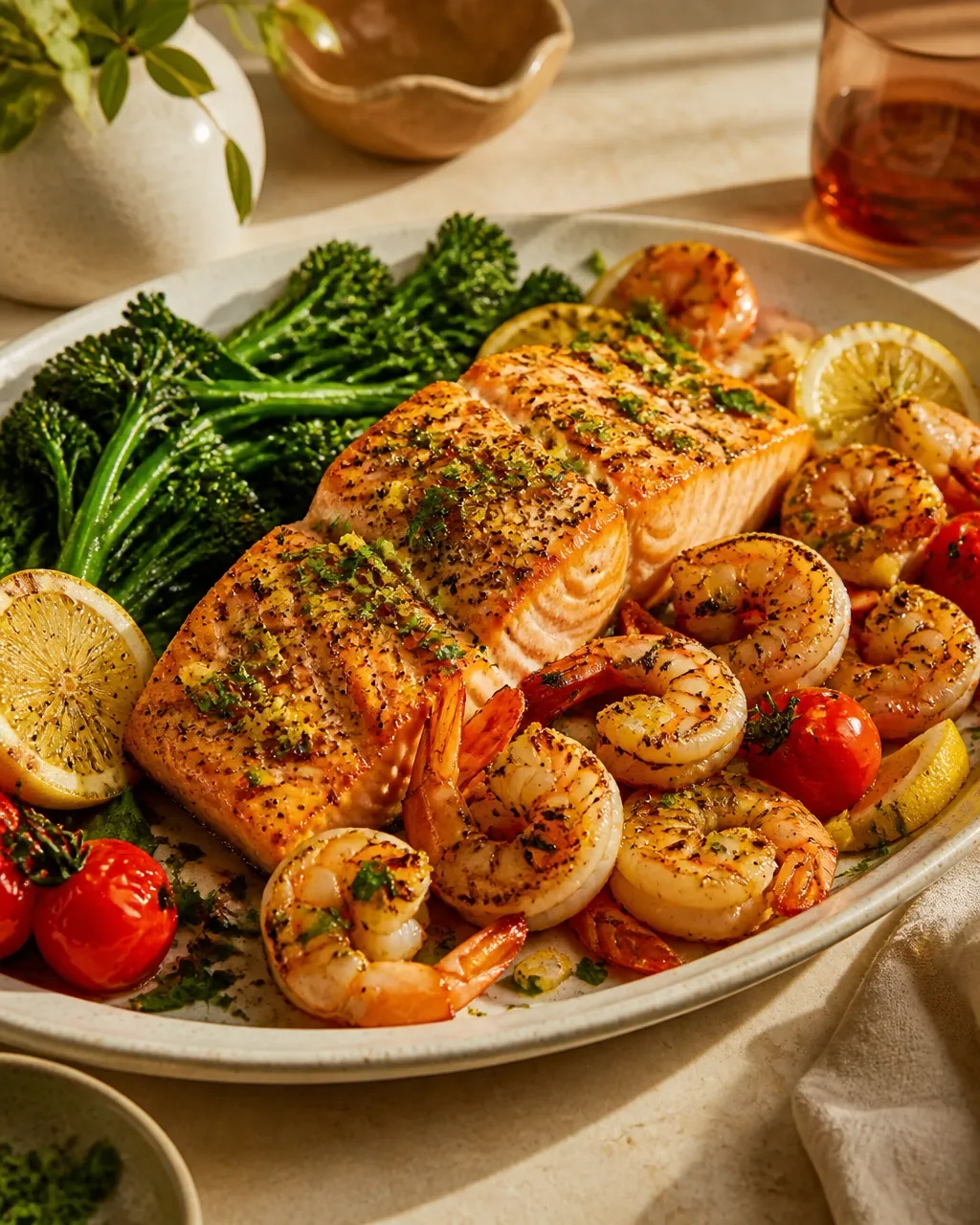
Crispy fish begins long before it reaches the air fryer or oven. Start by drying the tilapia thoroughly. Moisture is the enemy of browning because heat must first evaporate surface water before the fish can develop color. A dry surface heats faster, allowing the butter, seasoning, and fish proteins to brown instead of steam.
Patting the fillets dry is not a fussy chef trick. It is the non-negotiable step.
Use a thin coating of garlic butter rather than flooding the fish. Butter adds rich flavor and helps conduct heat across the surface, but too much liquid can soften the exterior. For better control at high temperatures, combine butter with a little oil or save some butter for finishing. The result is flavorful fish with a lightly crisp surface instead of a slippery one.
Preheat your appliance before cooking. Hot air needs to hit the fish immediately to encourage evaporation and browning. In an air fryer, cook the tilapia at about 400°F until it reaches 145°F in the thickest part. The timing depends on thickness, but thin fillets often need only several minutes. Check early; tilapia is lean and can go from tender to dry with surprising enthusiasm.
Use a thermometer rather than relying only on appearance. The center should be opaque and flake easily, but a thermometer gives you a more reliable answer. The USDA seafood safety guidance recommends cooking fish to 145°F.
Give the fillets room. Crowding traps steam, and steam is excellent for dumplings but not for crisp fish. Arrange the tilapia in a single layer with space around each piece. If you are cooking for several people, work in batches rather than piling everything into the basket.
Treat garlic carefully, too. Fresh minced garlic can burn when exposed to intense heat for too long. Burned garlic tastes bitter and distracts from the delicate fish. Add some garlic before cooking for aroma, then finish with fresh garlic butter after cooking for a brighter, rounder flavor.
The same principles make the broccoli taste better. Cut the florets into fairly small, similar pieces so the edges brown while the stems become tender. Toss them with just enough oil to coat the surfaces, then spread them out. Broccoli releases steam as it cooks, so spacing helps that steam escape.
Add lemon at the end. Lemon juice contains water, and adding it too early can soften crisp surfaces and slow browning. A final squeeze brightens the butter, sharpens the garlic, and makes the broccoli taste fresher. Add zest at the finish if you want more lemon fragrance without extra moisture.
For an oven version, use a hot oven and place the fish on a rack if you have one. Air circulation underneath helps the bottom brown rather than becoming pale and soft. A sheet pan still works; simply avoid crowding and turn the broccoli once if needed.
Variations for Different Cravings
Make this dinner your own without losing its balance.
Add a light crunchy crust. Press seasoned breadcrumbs, panko, or finely grated Parmesan onto the buttered fish. Keep the coating light so it browns quickly before the tilapia overcooks. Panko gives the most noticeable crunch, while Parmesan adds salty, savory depth.
Turn up the spice. Add smoked paprika, cayenne, chili flakes, or a pinch of Cajun seasoning. Smoked paprika brings warmth without overwhelming the lemon. Use chili flakes in the finishing butter if you prefer a sharper kick.
Use another mild fish. Cod, haddock, pollock, or sole can work well, although thickness changes cooking time. Try Cookpedia’s healthy weeknight baked lemon herb cod when you want a similar bright flavor profile with a firmer fish.
Make it dairy-free. Replace butter with olive oil or a dairy-free butter alternative. The dish will taste lighter, but garlic, lemon zest, and smoked paprika can provide plenty of character.
Give the broccoli a new accent. Finish it with toasted sesame seeds, red pepper flakes, grated Parmesan, or a spoonful of tahini loosened with lemon juice. Keep one bright element and one savory element so the plate does not become a seasoning cupboard with broccoli hiding underneath.
Side Dish Pairings That Keep the Plate Balanced
The tilapia and broccoli already provide protein, vegetables, richness, and acidity. Choose one modest side to round out the meal rather than building a second dinner beside it.
Serve the fish with brown rice, quinoa, or a small portion of roasted potatoes when you want extra staying power. Their mild, starchy flavor gives the lemon butter somewhere to go. For a lighter plate, add a crisp cucumber salad dressed with vinegar. The acidity cuts through the butter and adds a refreshing contrast.
Warm crusty bread is another practical choice, especially for catching the garlic butter left on the plate. Add a simple green salad if you want more freshness without much extra cooking.
Keep the pairing restrained. Rich fish, buttery starch, creamy sauce, and cheese-heavy vegetables all at once can make the meal feel flat and heavy. Contrast does the work: pair richness with acidity, crisp fish with tender grains, and roasted broccoli with something cool or fresh.
For more simple combinations, explore Cookpedia’s healthy recipes and quick meals.
Frequently Asked Questions
Can I cook frozen tilapia?
You can, but fully thawed fillets usually cook more evenly and brown better. Frozen fish releases extra moisture as it heats, which encourages steaming and can make the surface less crisp. If you must cook from frozen, expect a longer cooking time and check the center carefully with a thermometer. Do not use frozen fillets that are stuck together in a thick block; they will cook unevenly.
Why did my tilapia turn out soft instead of crispy?
The most common causes are excess moisture, overcrowding, or too much butter. Dry the fish well, preheat the appliance, and leave space between the fillets. Use a thin coating of fat and add the lemon butter mostly after cooking. Also check the basket or pan: if juices collect underneath the fish, the lower surface will steam.
Why did the garlic taste bitter?
Fresh garlic burns quickly at high heat, especially when it is finely minced and spread directly over the fish. Use a smaller amount before cooking and reserve some for the finishing butter. Garlic powder is more forgiving during high-heat cooking. If the garlic has turned dark brown or black, remove it rather than trying to disguise the bitterness with extra lemon.
Can I cook the broccoli and tilapia together?
Yes, but the best method depends on your equipment. Broccoli often needs more time than thin tilapia, so begin cooking the broccoli first and add the fish later. In a large oven, use separate sections of the same sheet pan. In a small air fryer, cook the broccoli first, keep it warm, and cook the fish afterward. Avoid stacking either one; airflow is essential for browning.
How do I know when tilapia is done without drying it out?
Check the thickest part with an instant-read thermometer and remove the fish when it reaches 145°F. The flesh should look opaque and separate into moist flakes. Do not wait for the fillet to become firm all the way through; that usually means it has gone too far. Remember that very thin edges will cook before the center, so measure in the thickest section.
Can I prepare this as one of my air fryer recipes dinner options?
Absolutely. The air fryer is especially useful here because circulating heat dries the surface quickly and encourages browning with little added oil. Cook the broccoli first if the basket is small, then cook the tilapia in a single layer. Finish both with lemon after cooking so the crisp edges stay crisp.
Is this suitable for meal prep?
It works best fresh, but you can prepare components ahead. Cut the broccoli, mix the seasoning, and portion the fish in advance. Store raw fish separately in the refrigerator and cook it within a safe timeframe. For leftovers, reheat gently in an air fryer or hot oven rather than the microwave. The microwave warms the fish quickly but also creates steam, which softens the crust.
How can I make this meal more filling for a family?
Add rice, quinoa, or potatoes and serve extra broccoli or a simple salad. Keep the fish portions consistent and offer the lemon butter separately so everyone can adjust the richness. This flexible setup makes it one of those quick family meals that can satisfy different appetites without creating multiple entrées.
What if someone does not like broccoli?
Use another sturdy vegetable that browns well, such as green beans, asparagus, cauliflower, or Brussels sprouts. Match the vegetable to the cooking time of the fish, and finish it with the same lemon-garlic idea. The technique also fits many healthy dinner ideas: high heat, limited fat, plenty of vegetables, and a bright finishing element.
Can I use bottled lemon juice?
You can, especially in a pinch, but fresh lemon usually tastes brighter and more fragrant. Use zest when possible because it adds concentrated citrus aroma without adding extra liquid. If bottled juice is all you have, add it at the end and taste before adding more. Too much acidity can overpower the mild fish.
What is the best way to store leftovers?
Cool leftovers promptly, place them in a sealed container, and refrigerate them. Use them within a few days and reheat until hot throughout. Store the fish and broccoli separately if you want the best texture. Flake leftover tilapia into a salad, grain bowl, or wrap rather than expecting it to be quite as crisp the next day.