Recipe
Servings
Servings 1×
Cook 140 min
Ingredients
- Pork
- Rice
- Cauliflower
- Broccoli
- Peas
- Apple
- Garlic
- Lemon
- Lime
- Honey
- Butter
- Cooking oil
- Soy sauce or tamari
- Black pepper
Method
- Pat your chops with a paper towel until they are bone-dry before they even touch the seasoning.
- Use a heavy-bottomed skillet, preferably cast iron, and get it ripping hot.
- Sear them in batches if you have to; it only takes three to four minutes per side, so there’s no need to rush the process.
- Use fresh garlic, and add it only after you’ve lowered the heat.
- Remove the chops and let them rest on a plate for at least five minutes.
There is a specific kind of kitchen magic that happens when you combine honey, garlic, and high heat. It’s the kind of magic that transforms a humble pork chop into a restaurant-quality centerpiece in less time than it takes to scroll through your social feed. If you’re hunting for easy dinner recipes that actually deliver on flavor without chaining you to the stove, you’ve found the holy grail. These chops are juicy, sticky, and dangerously addictive.
The Science of the Sear and the Soul of the Glaze
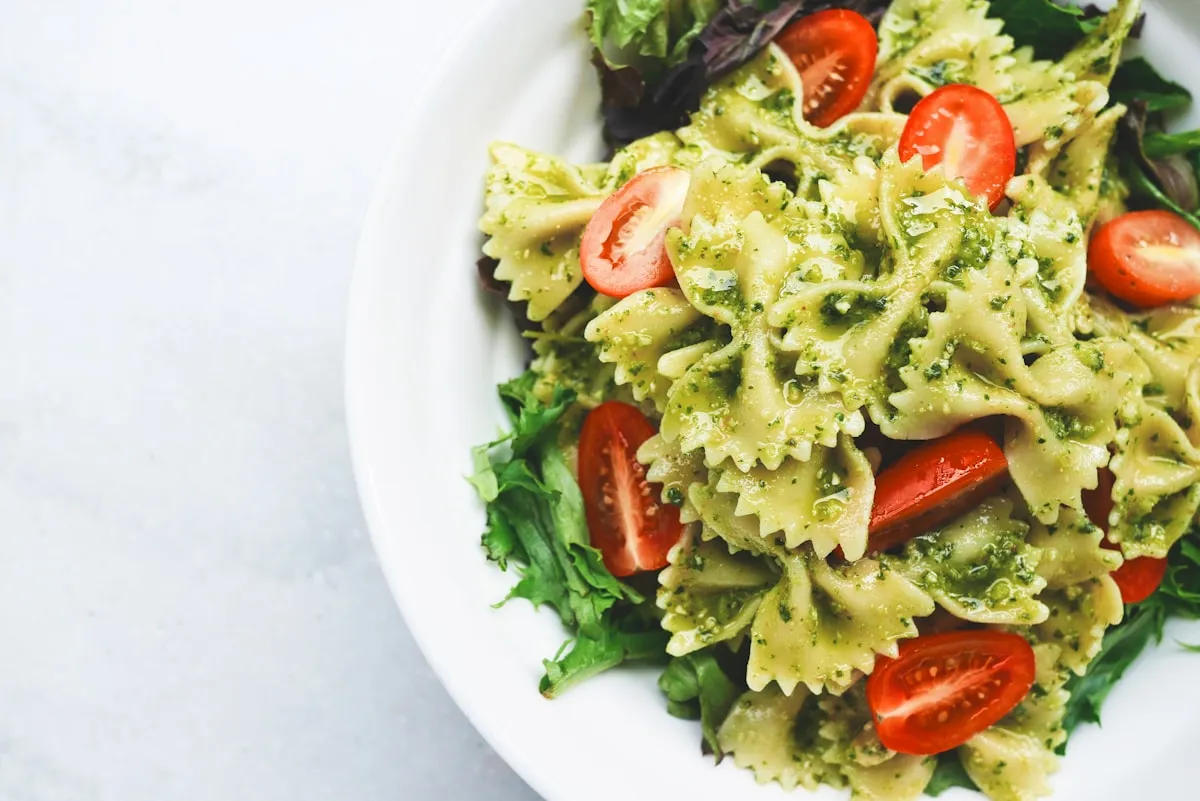
Creating the perfect pork chop isn't about luck; it's about respecting the physics of your skillet. To achieve that deep, caramelized crust: known scientifically as the Maillard reaction: you must ensure your meat is dry. Moisture is the enemy of a good sear. Pat your chops with a paper towel until they are bone-dry before they even touch the seasoning. If the surface is damp, the meat will steam instead of searing, and you’ll lose that savory, complex flavor profile that only a hot pan can provide.
Use a heavy-bottomed skillet, preferably cast iron, and get it ripping hot. You want the oil to be shimmering, almost at the smoking point. When you lay the chops down, you should hear a violent sizzle. If you don't hear it, take them out and wait. This initial blast of heat locks in the juices and creates the foundation for your glaze. Avoid crowding the pan. If you put too many chops in at once, the temperature of the pan drops, and you’ll end up with grey, sad meat. Sear them in batches if you have to; it only takes three to four minutes per side, so there’s no need to rush the process.
Once the chops are browned, the "glaze phase" begins. This is where you balance acidity and sweetness. Honey provides the body and the sugar for caramelization, while apple cider vinegar or lemon juice provides the necessary "cut." Without acidity, the sauce is just cloying; with it, it becomes vibrant. Use fresh garlic, and add it only after you’ve lowered the heat. Garlic contains a high amount of natural sugars and will burn in seconds if the pan is still at searing temperature. Sauté it just until you can smell it: usually about 30 seconds: before deglazing with your liquid components.
Check your internal temperature religiously. Pork is often unfairly maligned because people overcook it until it has the texture of a flip-flop. Aim for an internal temperature of 140°F (60°C) in the pan. Remove the chops and let them rest on a plate for at least five minutes. During this time, carryover cooking will bring them to the USDA-recommended 145°F (63°C), and the muscle fibers will relax, allowing the juices to redistribute. If you cut into them too soon, all that moisture ends up on the cutting board instead of in your mouth. This attention to detail is what separates a mediocre meal from the kind of quick family meals everyone asks for twice.
Flavor Variations to Keep it Fresh
While the classic honey-garlic combo is unbeatable, you can easily pivot this technique to suit your mood. If you’re looking for healthy dinner ideas with a bit of a kick, add a teaspoon of red pepper flakes or a dollop of gochujang to the sauce. The fermented heat of gochujang pairs beautifully with the floral notes of the honey, creating a deep, umami-rich glaze that feels very "takeout-style."
For a brighter, citrus-forward version, swap the apple cider vinegar for fresh lime juice and add a splash of soy sauce. This leans into a more Southeast Asian flavor profile. You can even experiment with the fat you use for searing. While olive oil is standard, finishing the sauce with a cold knob of butter right at the end: a technique called monter au beurre: will give your glaze a glossy, professional sheen and a rich mouthfeel. If you are a fan of hands-off cooking, you might also enjoy exploring air fryer recipes dinner options, though the stovetop remains king for this specific glaze.
Perfect Pairings: Balancing the Plate
Because the glaze is so bold and syrupy, you need side dishes that can handle the intensity or provide a clean contrast. A simple bed of fluffy jasmine rice is the most popular choice for a reason: it acts as a sponge for every drop of that golden sauce. If you want something lower in carbs, a cauliflower mash or roasted radishes work surprisingly well.
For greens, think of things that offer a slight bitterness or a crunch. Steamed broccoli, charred snap peas, or a quick garlicky bok choy are excellent options. The goal is to balance the richness of the pork and the sweetness of the honey with something fresh. If you’re in the mood for a more comforting spread, you could even serve these alongside something like our kielbasa and pierogi roast for a multi-dish family feast. Just remember: the chops are the star, so keep the sides simple.
Frequently Asked Questions
Why did my honey garlic sauce turn into a hard candy?
This usually happens because the heat was too high or you simmered the sauce for too long. Honey is mostly sugar, and as water evaporates, the sugar concentration increases until it reaches the "hard ball" stage. To fix this, simply whisk in a tablespoon of water or chicken broth over low heat until the sauce thins out again. Avoid letting the sauce boil vigorously for more than two minutes.
Can I use bone-in pork chops for this recipe?
Absolutely. Bone-in chops often have more flavor and stay juicier, but they require a slightly longer cooking time. Expect to add about two minutes per side during the searing phase. Because the meat near the bone cooks slower, definitely use a thermometer to ensure you've reached 140°F throughout. It’s one of those quick family meals that feels a bit more "Sunday Roast" when the bone is involved.
My garlic tastes bitter. What happened?
Garlic turns bitter the moment it burns. If your pan is still smoking hot from the sear when you drop the minced garlic in, it will char instantly. Always turn your burner down to medium or even medium-low and let the pan cool for a few seconds before adding the aromatics. If you do burn it, wipe the pan out and start the sauce over: there is no way to hide the taste of burnt garlic.
How do I get that thick, restaurant-style glaze?
The secret is often a cornstarch slurry. Mix one teaspoon of cornstarch with one teaspoon of cold water and whisk it into the bubbling sauce. It will turn from a thin liquid to a thick, glossy coat-your-spoon glaze in about thirty seconds. This is a great trick if you’re in a rush and don't want to wait for a natural reduction.
Can I make this in an air fryer?
You can, but you won't get the same level of caramelization on the sauce. If you prefer the air fryer, cook the chops at 400°F for about 10-12 minutes, flipping halfway. Prepare the sauce in a small saucepan on the stove and toss the cooked chops in it at the end. For more inspiration on basket-style cooking, check out our guide on achieving the perfect glossy sauce in other one-pot dishes.
Why are my pork chops tough?
Tough pork is almost always a result of overcooking. Pork loin is very lean, meaning it has almost no fat to protect it from drying out. Once it passes 150°F, the proteins tighten up and squeeze out all the moisture. Use a thermometer, pull them early, and let them rest. Trust the process!
{“@type”:”BlogPosting”,”image”:”https://cdn.marblism.com/Y3MXLHFjCQN.webp”,”author”:{“name”:”Cookpedia”,”@type”:”Organization”},”@context”:”https://schema.org”,”headline”:”Easy Dinner Recipes: 15-Minute Honey Garlic Glazed Pork Chops”,”publisher”:{“logo”:{“url”:”https://cookpedia.com/logo.png”,”@type”:”ImageObject”},”name”:”Cookpedia”,”@type”:”Organization”},”description”:”Learn how to make juicy, 15-minute honey garlic glazed pork chops with expert tips on the Maillard reaction, temperature control, and flavor variations.”,”datePublished”:”2026-06-08″,”mainEntityOfPage”:{“@id”:”https://cookpedia.com/easy-dinner-recipes-honey-garlic-pork-chops”,”@type”:”WebPage”}}