Recipe
Servings
Side Dish Pairings 1×
Serves Side Dish Pairings
Ingredients
- Chicken
- Salmon
- Cod
- Quinoa
- Rice
- Broccoli
- Asparagus
- Tomatoes
- Garlic
- Lemon
- Feta
- Butter
- Cooking oil
Method
- Use an instant-read thermometer if you’re nervous.
- Use fresh lemons; the bottled stuff contains preservatives that can leave a metallic aftertaste on delicate white fish.
- Remove the fish from the oven when it’s just a hair under your target temperature.
- Mix a small amount of almond flour or crushed walnuts with your herbs.
- Use just enough to tint the oil and create a fragrant aroma that fills the kitchen.
- Toss them in the same oil and herb mixture you use for the fish and roast them on the same tray (if you time it right) to keep cleanup to a minimum.
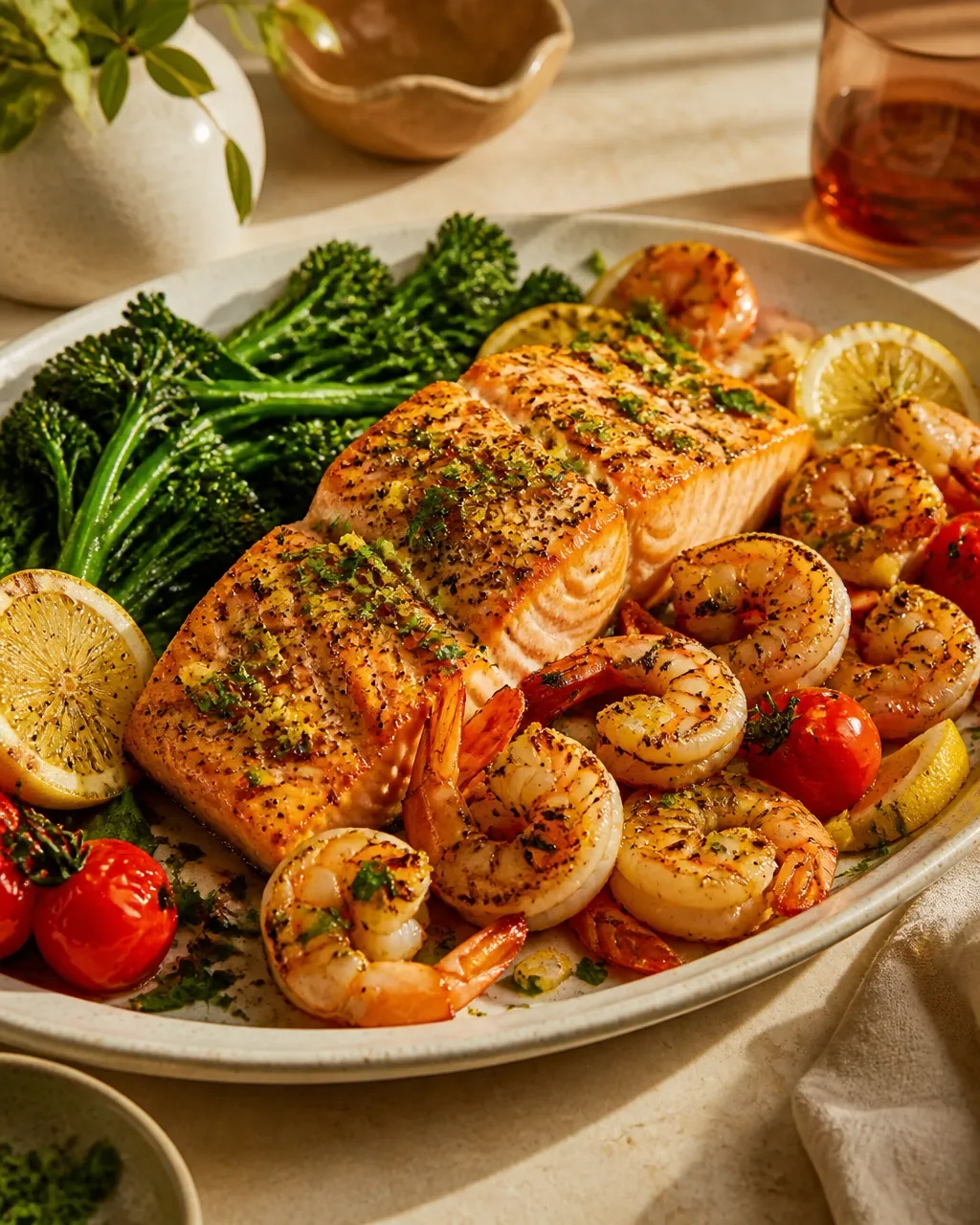
If you have fifteen minutes and a working oven, you have a gourmet dinner. That’s the magic of cod. It’s the blank canvas of the sea, mild, flaky, and remarkably forgiving. While I love diving into complex quick family meals, sometimes the best path to a satisfied table is the simplest one. This baked cod relies on the bright punch of citrus and the earthy grounding of fresh herbs to do the heavy lifting, proving that healthy dinner ideas don't need to be a chore.
The Science of the Perfect Flake
Cooking fish isn't just about heat; it’s about managing protein denaturation. Cod is a lean fish, meaning it lacks the fatty insulation of salmon or mackerel. Because of this, it is highly sensitive to temperature swings. When you bake cod at a high heat, around 400°F (200°C), you are looking for the sweet spot where the connective tissues (collagen) break down into gelatin, but the muscle fibers don't tighten up so much that they squeeze out all the moisture.
Stop treating your fish like a piece of chicken. Fish proteins cook at much lower temperatures. Aim for an internal temperature of about 145°F. Use an instant-read thermometer if you’re nervous. If you see white beads of protein, called albumin, seeping out of the fish, you’ve gone too far. That's the fish's way of crying because it's getting dry.
Patience is a virtue, but preparation is a requirement. Always pat your fillets bone-dry with a paper towel before they even think about touching the pan or the baking dish. Excess moisture on the surface creates steam, and steam is the enemy of texture. If the surface is wet, you’ll end up with a rubbery, poached consistency rather than that beautiful, firm flake we’re after.
The role of lemon in this equation is more than just "flavoring." The citric acid acts as a biological brightener. It cuts through the naturally occurring amines in fish that create that "fishy" odor, effectively neutralizing them. It also works to tighten the exterior proteins slightly, giving the fish a better structure. Use fresh lemons; the bottled stuff contains preservatives that can leave a metallic aftertaste on delicate white fish.
Finally, consider the "carry-over" cooking. Remove the fish from the oven when it’s just a hair under your target temperature. The residual heat trapped in the flesh will finish the job while it rests on the counter for two minutes. This is the secret to fish that melts in your mouth rather than sticking to your teeth. While I often experiment with air fryer recipes dinner enthusiasts rave about, the gentle, surrounding heat of a traditional oven remains the gold standard for achieving an even, delicate bake on thick cod loins.
Balancing the Plate: Flavor Variations
While lemon and herbs are the classic trio, the beauty of cod is its versatility. You can take this dish in several directions depending on what’s in your pantry.
If you want a Mediterranean twist, lean into the "acid-fat-heat" triangle. Swap some of the olive oil for a small amount of high-quality butter and add a handful of capers and sliced Kalamata olives. The saltiness of the capers provides a sharp contrast to the buttery fish, creating a sophisticated profile that feels far more effortful than it actually is.
For those craving a bit of crunch without the heavy battering of a fish-and-chips shop, try a "naked" crust. Mix a small amount of almond flour or crushed walnuts with your herbs. This provides a toasted, nutty texture that protects the fish from the direct heat of the oven, effectively acting as a heat shield that preserves moisture.
If you're looking for a bit of spice, don't be afraid of dry rubs. A blend of smoked paprika, garlic powder, and a pinch of cayenne can transform this into a "blackened" style bake. The key here is balance. Because cod is so mild, you don't want to bury it under a mountain of spice. Use just enough to tint the oil and create a fragrant aroma that fills the kitchen.
What to Serve: Side Dish Pairings
Since this cod is light and zesty, your sides should either complement that freshness or provide a hearty base to soak up the juices.
A wild rice pilaf or a simple quinoa bowl is a fantastic choice. The grains act as a sponge for the lemon-herb oil that escapes during the baking process. If you’re keeping things low-carb, roasted asparagus or broccolini are non-negotiables. Toss them in the same oil and herb mixture you use for the fish and roast them on the same tray (if you time it right) to keep cleanup to a minimum.
If you want something a bit more substantial, a cold Mediterranean salad with cucumbers, tomatoes, and feta offers a cooling contrast to the warm fish. The acidity in the salad dressing will echo the lemon in the cod, creating a cohesive dining experience that feels like a summer vacation on a plate. This approach is a staple in my rotation of quick family meals because it hits every nutritional note without requiring multiple pots and pans.
Frequently Asked Questions
Can I use frozen cod for this?
Absolutely, but you must thaw it completely first. Use the refrigerator method overnight or a sealed bag in cold water for a quick thaw. Avoid thawing fish in the microwave at all costs; it will start the cooking process unevenly, leading to a "leathery" texture. Once thawed, the "pat-dry" rule is doubly important, as frozen fish tends to release more water.
Why is my fish tough or rubbery?
You overcooked it. It’s a hard truth, but cod goes from perfect to "rubber ball" in about ninety seconds. Check for flakiness with a fork at the twelve-minute mark. If the thickest part of the fillet flakes easily and looks opaque rather than translucent, get it out of the oven immediately.
How do I know if the fish is fresh?
Trust your nose. Fresh cod should smell like the ocean, salty and clean. If it smells "fishy" or like ammonia, it’s past its prime. The flesh should be firm to the touch and spring back when pressed, not stay indented.
Can I do this in the air fryer?
Yes, air fryer recipes dinner fans can easily adapt this. Set your air fryer to 375°F and check the fish after 8-10 minutes. The circulating air is more intense than a standard oven, so it will cook faster and might develop a slightly crispier exterior. It's one of those healthy dinner ideas that works perfectly for solo diners or couples.
Is cod a sustainable choice?
Generally, yes, but it depends on the source. Look for labels from the Marine Stewardship Council (MSC) to ensure your fish was caught using sustainable practices that don't deplete the population or damage the seafloor. Pacific cod is often cited as a more sustainable option than Atlantic cod.
Can I substitute other fish?
If cod isn't available, any firm white fish will do. Haddock, pollock, or even halibut are great substitutes. Keep in mind that thinner fillets (like tilapia) will cook much faster, while thicker cuts (like halibut) might need a few extra minutes. For more fish inspiration, check out my guide on 15-minute Thai Salmon Stir-Fry for a completely different flavor profile.