Recipe
Servings
Servings 1×
Ingredients
- Shrimp
- Steak
- Greek yogurt
- Tortillas
- Mushrooms
- Greens
- Avocado
- Onion
- Fresh ginger
- Lime
- Honey
- Cream
- Cooking oil
- Soy sauce or tamari
- Chili seasoning
Method
- Use a heavy-bottomed skillet, ideally cast iron, because it holds onto heat like a grudge.
- Pat your shrimp completely dry with paper towels.
- Cook in batches if you have to.
- Keep in mind that beef requires a slightly longer sear to reach that perfect medium-rare, so give it a head start before adding your aromatics.
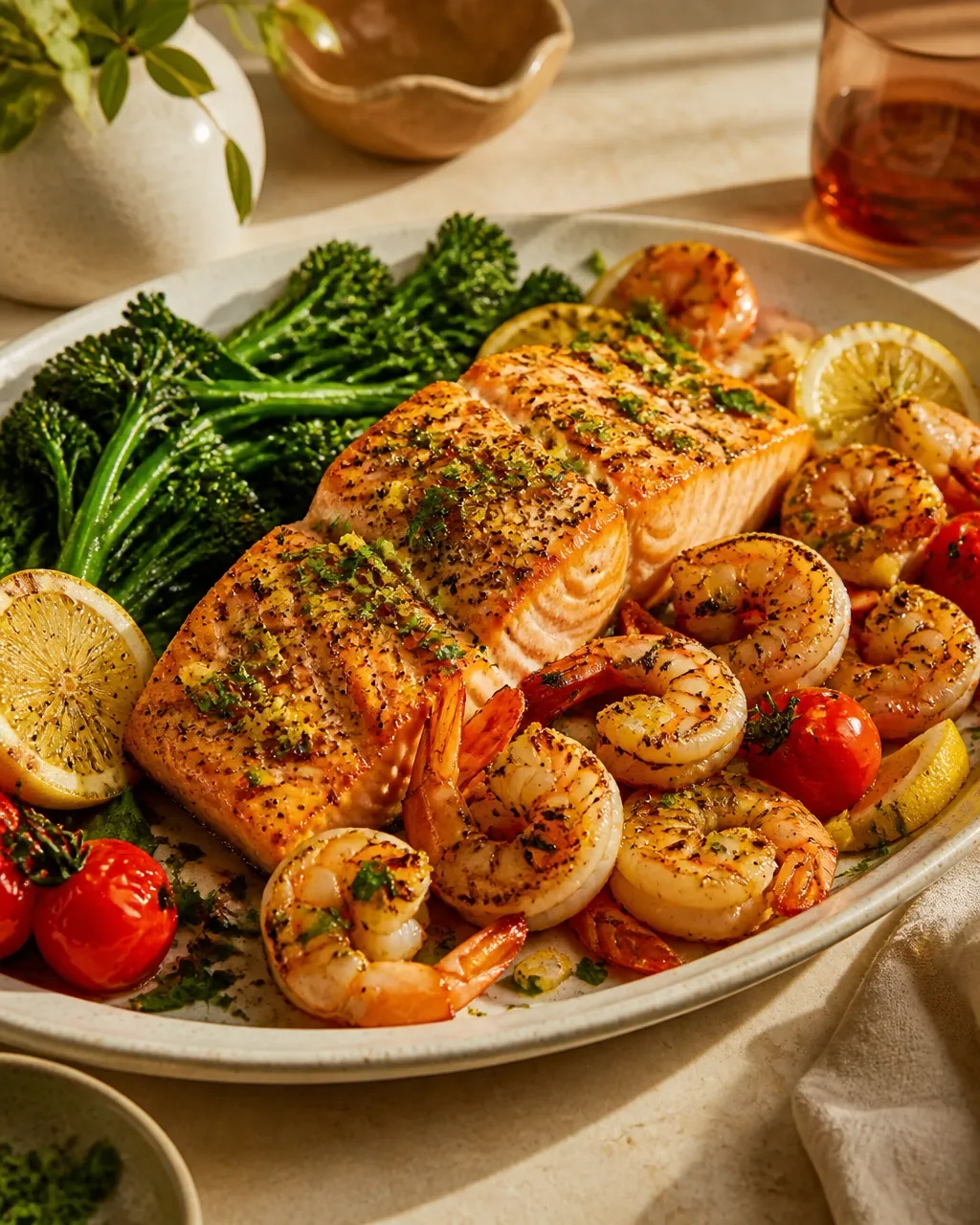
You know that feeling when the clock hits 6:00 PM, your stomach is growling, and the thought of a complicated recipe makes you want to order takeout? I’ve been there more times than I care to admit. But here’s the secret: you don’t need an hour to create something that tastes like it came from a professional kitchen. These 15-minute skillet shrimp fajitas are my absolute go-to for quick family meals that don't feel like a compromise. We’re talking bold flavors, smoky char, and juicy shrimp, all hitting the table faster than the delivery driver can find your driveway.
The Science of the Sear: Why High Heat is Non-Negotiable
To get that restaurant-quality flavor at home, you have to embrace the science of the Maillard reaction. This is the chemical dance between amino acids and reducing sugars that gives browned food its distinctive, savory punch. For fajitas, this happens best between 280°F and 330°F. If your pan isn't hot enough, you aren't searing; you’re just steaming.
Use a heavy-bottomed skillet, ideally cast iron, because it holds onto heat like a grudge. Before you even think about adding your ingredients, preheat that pan until a drop of water dances and evaporates instantly. Pat your shrimp completely dry with paper towels. I cannot stress this enough: moisture is the enemy of the sear. If the shrimp are wet, the energy from the pan goes into boiling that water instead of browning the protein.
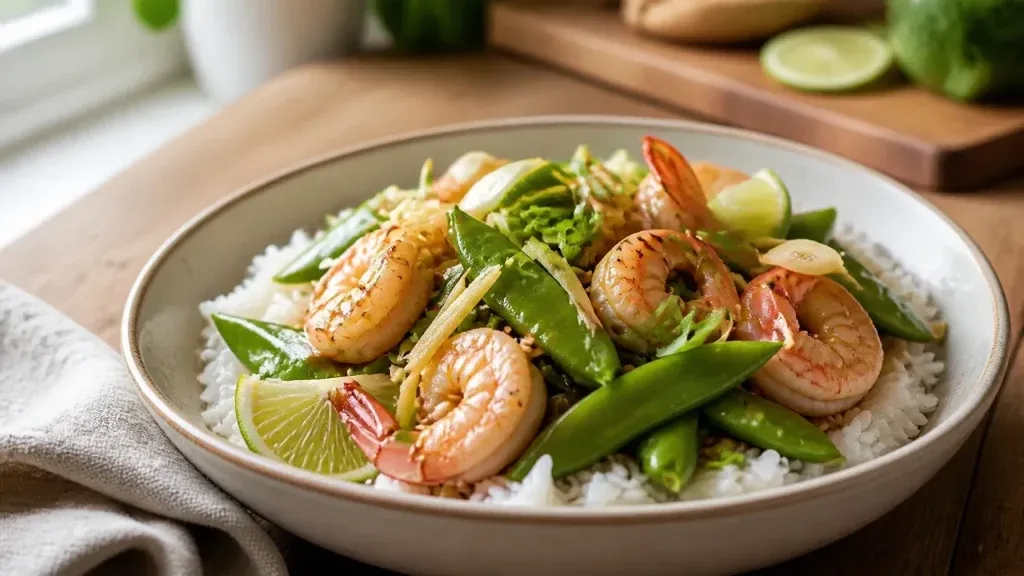
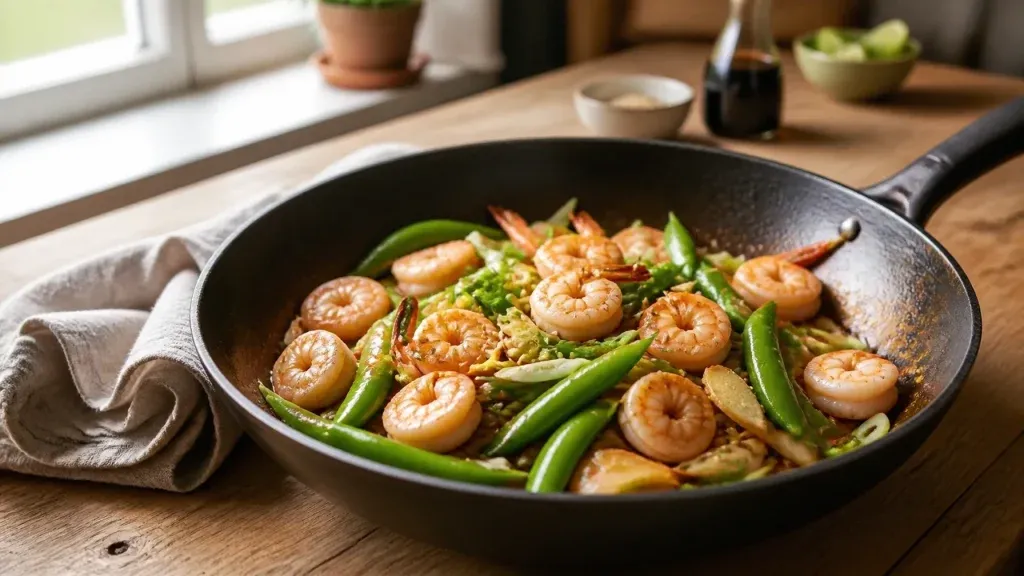
Avoid overcrowding the pan at all costs. When you dump a mountain of cold peppers and onions into a hot skillet, the temperature nose-dives. Cook in batches if you have to. You want the vegetables to blister and char while remaining crisp-tender. If they start swimming in liquid, pull them out, wipe the pan, and start again with higher heat. This isn't just about aesthetics; that char provides the smoky depth that defines a great fajita. Just like our 15-minute Thai stir-fry, the goal is high-intensity heat for a short duration. It’s one of those healthy dinner ideas that relies on technique rather than heavy sauces to deliver flavor.
Creative Variations: Beyond the Classic Shrimp
While shrimp is the MVP for speed, you can easily pivot based on what’s in your fridge. If you want to swap in steak, choose a thin cut like skirt or flank. Keep in mind that beef requires a slightly longer sear to reach that perfect medium-rare, so give it a head start before adding your aromatics. For a plant-based twist, portobello mushrooms are a fantastic substitute. They have a meaty texture and a high water content, so you’ll need to let them cook undisturbed for a few minutes to let that moisture evaporate and the edges get crispy.
Experiment with your spice profiles too. If you’re tired of the standard cumin-chili combo, try a "fajita-fusion" approach. A splash of soy sauce and a hint of ginger can take these in a completely different direction, similar to some of our other 15 minute meals. You can even use the same seasoning logic for air fryer recipes dinner enthusiasts might prefer; just toss everything in the basket at 400°F for about 8 minutes, shaking halfway through. Whether you like it spicy with extra habanero or smoky with chipotle powder, the foundational rules of high heat and dry ingredients remain the same.
Perfect Pairings: Balancing Heat and Acidity
A great fajita is a study in balance. The shrimp and charred vegetables bring heat and smoke, so your sides should bring coolness and acidity. Never skip the fresh lime wedges. That hit of citric acid cuts right through the richness of the oil and brightens the entire dish. It's the difference between a "good" dinner and a "wow" dinner.
For texture, I love serving these alongside a crisp cabbage slaw tossed in vinegar and a tiny bit of honey. The crunch of the raw cabbage provides a necessary contrast to the soft tortillas and tender shrimp. If you’re looking for more easy dinner recipes to round out your weekly rotation, consider how a simple side can elevate a main dish. A dollop of Greek yogurt or a light avocado crema adds a creamy element without the heaviness of traditional sour cream.
Frequently Asked Questions
Can I use frozen shrimp for this recipe?
Yes, but you have to be careful. Frozen shrimp often come with a protective ice glaze. Thaw them completely in a bowl of cold water, then: and this is the non-negotiable part: dry them thoroughly. If they go into the pan even slightly damp, they will release all that water, and you’ll end up with "fajita soup" instead of a sear. Check the bag to ensure they are peeled and deveined to save yourself those precious 15 minutes.
Why is my shrimp rubbery?
Overcooking is the primary culprit. Shrimp are small and have very little fat, meaning they go from "perfect" to "pencil eraser" in about thirty seconds. Look for the "C" shape. If your shrimp have curled into a tight "O," they are overdone. Aim for a loose "C" shape and a pink, opaque exterior. Remember, they will continue to cook slightly from residual heat once you pull them off the stove.
Do I really need a cast iron skillet?
While you can use stainless steel or non-stick, cast iron is the king of heat retention. Non-stick pans often have temperature limits and don't produce the same level of char. If you do use stainless steel, ensure you use enough oil to prevent the shrimp from tearing when you try to flip them. A well-seasoned cast iron pan is naturally non-stick and can handle the screaming high temperatures required for that authentic smoky flavor.
Can I meal prep these for later in the week?
Fajitas are best eaten fresh, but you can certainly prep the components. Slice your peppers and onions ahead of time and keep them in an airtight container. You can even toss the shrimp in their dry rub a few hours early. However, I don't recommend reheating cooked shrimp in the microwave, as it almost always results in a rubbery texture. If you have leftovers, cold shrimp fajita salad is a much better way to go the next day.
For more kitchen inspiration and a full database of soulful, accessible meals, head over to the Cookpedia homepage. We specialize in making "real food" fit into your real life, no matter how busy the schedule gets.