Recipe
Servings
6 servings 1×
Serves 6Prep 10 minCook 20 minTotal 30 min
Nutrition per serving
Ingredients
- 5 lbs boneless skinless chicken breasts cut into 1-inch cubes
- 12 oz dry short pasta fusilli or penne
- 2 cups frozen mixed vegetables peas, carrots, corn
- 1 medium onion diced
- 3 cloves garlic minced
- 4 cups chicken broth
- 5 cup heavy cream
- 2 tbsp olive oil
- 2 tbsp butter
- 1 tsp dried thyme
- pinch sea salt and black pepper to taste
Method
- Heat olive oil in a pot.
- Add chicken cubes, season, and cook until golden brown.
- Remove and set aside.
- Melt butter in the same pot.
- Sauté onion until translucent, then stir in garlic and thyme for 1 minute.
- Pour in chicken broth and bring to a boil.
- Add dry pasta, reduce heat, cover, and simmer for 8-10 minutes.
- Stir in frozen vegetables and add the chicken back to the pot 3 minutes before the pasta is done.
- Once pasta is tender, stir in heavy cream and simmer uncovered for 2 minutes until thick and glossy.
- Season to taste and serve warm with fresh parsley if desired.
There’s a special kind of cold-night gloom that makes socks feel decorative and dinner feel urgent. On my blog, that’s exactly the sort of weather that sends me straight toward something creamy, cozy, and deeply unserious in the best way. A classic chicken pot pie is lovely, sure, but so is not making pastry while shivering in an oversized jumper. That’s why this one-pan pasta lives rent-free in my cold-weather dinner rotation.
Tips & Technique
The magic of this dish starts with starch, which sounds a little nerdy until you realize starch is basically the tiny kitchen wizard behind that clingy, silky sauce. In a standard pasta setup, a lot of starch gets dumped out with the cooking water. In a one-pan situation, though, the pasta cooks directly in a measured amount of broth and creamy liquid, so those starches stay put and help build body. That’s why the finished sauce feels lush instead of watery and dramatic, like it just found out its ex texted.
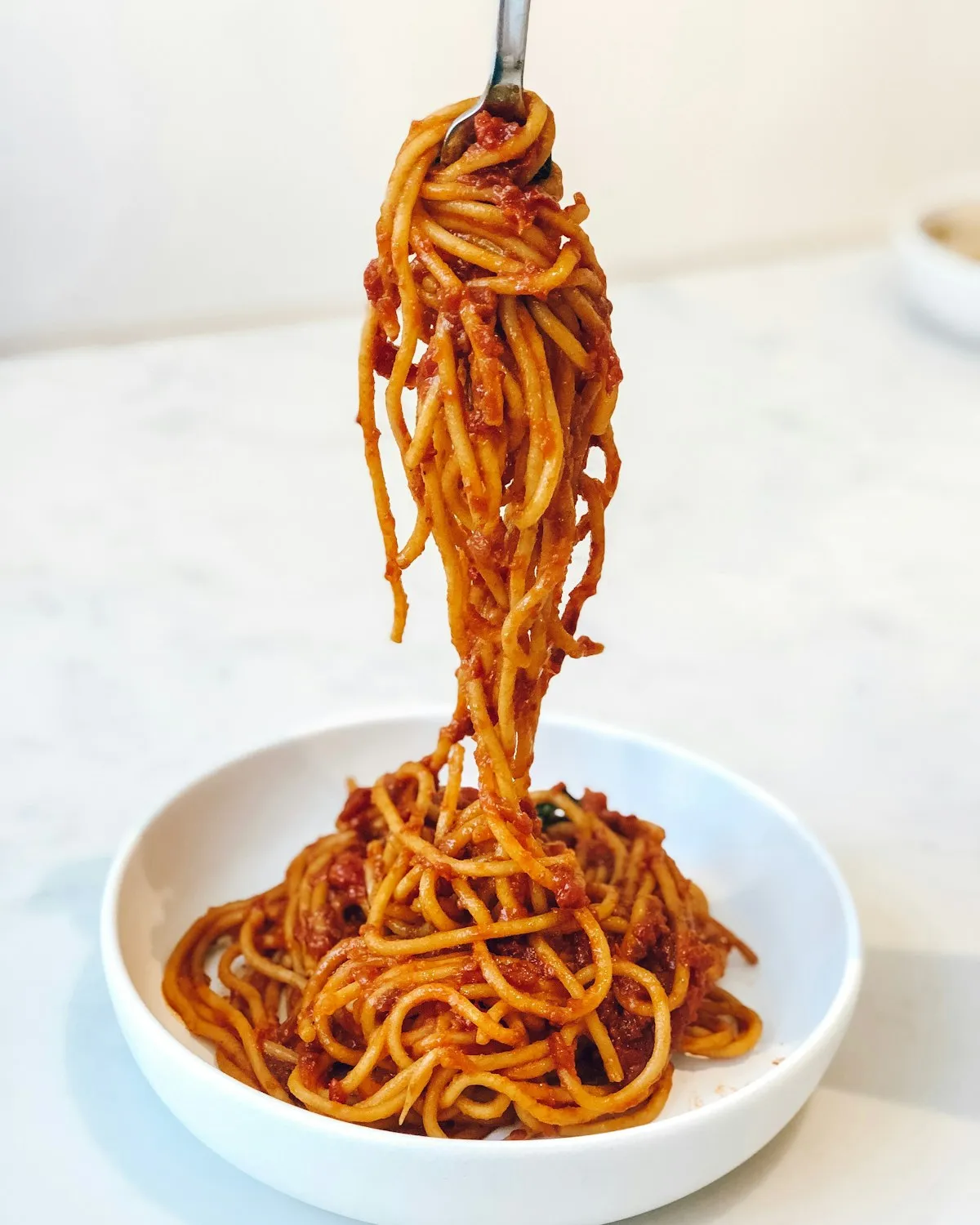
On my blog, I’m always fascinated by how a smart one-pan method turns humble pantry ingredients into proper comfort food. If you’re after quick family meals, this is one of the best examples because the cooking process does double duty. The liquid cooks the pasta, the pasta thickens the liquid, and suddenly the whole pan comes together without requiring three burners and a motivational speech.
Before the pasta even enters the scene, the chicken needs a proper sear. This is where the Maillard reaction earns its moment. When chicken hits a hot pan and develops those golden-brown edges, proteins and sugars react to create deeper, toastier, more savoury flavours. It’s not just about colour; it’s about complexity. Pale chicken has the personality of wet cardboard. Browned chicken, on the other hand, brings the sort of flavour that makes people hover near the stove asking if dinner is “nearly there” every four minutes.
That browning also creates fond, which is the glorious layer of caramelised bits stuck to the bottom of the pan. Far from being a problem, fond is edible treasure. Once you add a splash of broth or wine, you can scrape it up and dissolve it into the sauce. That step is deglazing, and it matters more than people think. Deglazing pulls all that concentrated savoury flavour back into the dish, giving the sauce more depth and making the final result taste like you worked much harder than you actually did. I support that kind of deception.
Then there’s the pasta-to-liquid ratio, the part that makes some home cooks nervous. Fair enough. Nobody wants a pan full of glue, and nobody wants chicken noodle soup when they were promised creamy pasta. In general, short pasta shapes do best because they cook evenly and are easier to keep submerged in a shallow pan. The liquid should be enough to cover most of the pasta with room for absorption, because the noodles will swell as they cook and drink up a surprising amount. Too little liquid, and the pasta cooks unevenly. Too much, and the sauce takes ages to reduce. The sweet spot is a balance where the starch released during cooking thickens the remaining broth into a glossy coating rather than a puddle.
Stirring helps, but not in a frantic, wrist-destroying way. An occasional stir keeps the pasta from sticking and moves starch through the liquid, which supports emulsification. That emulsification is the reason the sauce feels unified instead of split into random creamy patches and brothy confusion. In a good one-pan pasta, fat from cream or butter blends with the starchy cooking liquid into one smooth sauce. Lower heat near the end helps keep that emulsion stable, especially once dairy enters the pan. If the heat is raging, the sauce can break and go oily, which is not the cozy cottagecore ending we were aiming for.
I also like to think of this dish as one of those quick family meals that rewards patience in tiny, strategic moments. Let the chicken brown properly. Let the pan deglaze fully. Let the pasta simmer rather than thrash around at a rolling boil. Each little pause builds flavour and texture without adding fussy work. The result is a bowl that tastes rounder, richer, and somehow more complete than the ingredient list would suggest. That’s the charm of one-pan cooking: less mess, more flavour, and very few opportunities for unnecessary kitchen chaos.
Variations
One of my favourite things about this pasta is how easily it adapts without losing its cozy personality. If your fridge is giving you sad drawer vibes, a veggie-loaded version is the obvious move. Peas and carrots are classic, but mushrooms, celery, spinach, kale, or even chopped green beans fit right in. Firmer vegetables can cook earlier so they soften properly, while tender greens should go in near the end so they stay bright rather than collapsing into swamp territory.
If you like comfort food with a bit more attitude, adding heat is wonderfully easy. Red pepper flakes, a pinch of cayenne, or even a spoonful of something smoky and spicy can shift the whole flavour profile without overwhelming the creamy base. The trick is to add spice in a way that warms the sauce rather than turning it into a dare. You still want cozy, just with a little wink.
Dairy-free swaps are also completely doable, which I appreciate because cold-night cravings should not be exclusive. A full-fat unsweetened plant cream or a rich oat-based alternative can help mimic that velvety finish. Coconut milk works too if you don’t mind the faint flavour note hanging around in the background. For me, the best dairy-free versions still lean into the starch science, because that’s what gives the sauce body in the first place. It’s one of those quick family meals that can flex a lot without losing the point: creamy, hearty, cold-night comfort with minimal kitchen drama.
Side Dishes
Because this pasta is rich and soft and gloriously saucy, the best side dishes bring contrast. Garlic bread is the obvious overachiever here. It’s crunchy, buttery, and fully committed to helping you swipe up the last streaks of sauce like the hero it is. I never argue with garlic bread.
A crisp salad also makes a lot of sense, especially one with a bright dressing. Something lemony or sharply vinaigrette-based cuts through the creaminess and keeps the whole meal from feeling too heavy. Peppery greens are especially good because they add a little bite and make dinner feel balanced, even if you are absolutely here for the carbs.
If you’re pouring wine, a chilled Chardonnay is a classic choice because it plays nicely with the creamy sauce. A light Pinot Noir can work too if you prefer red and want something soft rather than tannic. For a non-alcoholic option, sparkling apple or elderflower drinks bring enough brightness to lift the whole plate without stealing the spotlight.
FAQ
What’s the best pasta type for this kind of dish?
On my blog, I usually lean toward short shapes like fusilli, penne, rigatoni, or farfalle. They hold sauce well, cook evenly in one pan, and don’t turn dinner into a tangled noodle event. Tiny pasta can overcook fast, while long noodles are more awkward in a shallow creamy sauce.
How do I reheat it without turning it mushy?
The key is gentle heat and a splash of extra liquid. Pasta keeps absorbing sauce in the fridge, so leftovers naturally thicken overnight. Reheating slowly on the hob with a little broth, milk, or dairy-free alternative helps loosen everything back up. The microwave works in a pinch, but lower power and short bursts are much kinder than blasting it into oblivion.
What if the sauce is too thin?
Usually, the easiest fix is time. Let it simmer uncovered for a few extra minutes and the liquid will reduce while the starch continues to do its thing. If you want a little more help, stirring in a bit of grated cheese or a small knob of butter can tighten the texture and add richness. If it’s still looking soupy, chances are the pasta needs another minute to release more starch.
Can I freeze it?
You can, but I’m not going to pretend it’s this dish’s best personality trait. Creamy pasta tends to lose a bit of its silky charm after freezing and thawing, and the noodles can soften more than ideal. If you know you want freezer-friendly leftovers, slightly undercooking the pasta before cooling can help. Even so, I think this one is happiest eaten fresh or from the fridge within a couple of days.
Can I swap the protein?
Absolutely. Turkey works beautifully, especially if you have leftovers to use up. Smoked sausage adds a more robust, savoury feel. Shrimp can work if added right near the end so it stays tender. You can even skip meat entirely and build the dish around mushrooms or white beans if that’s more your speed. The sauce structure is flexible, which is one reason I keep returning to it on my blog when I want comfort without a production.