Recipe
Servings
Servings 1×
Ingredients
- Tofu
- Beans
- Quinoa
- Noodles
- Rice
- Broccoli
- Green beans
- Carrots
- Mushrooms
- Greens
- Peas
- Corn
- Onion
- Garlic
- Fresh ginger
- Lime
- Peanut butter
- Butter
Method
- Pat your vegetables bone-dry after washing.
- Use a clean kitchen towel or a salad spinner to ensure every leaf and floret is moisture-free.
- Stir-fry in batches if you have to.
- Start with your "hard" vegetables, the ones that take time to soften, like carrots, broccoli stems, and onion.
- Add your aromatics (garlic, ginger, and scallion whites) just before the sauce to prevent them from burning and turning bitter.
- Stir-fry is inherently budget-friendly because it thrives on high-volume, low-cost vegetables.
If you’re looking for a way to clear out the crisper drawer without spending a fortune, you’ve hit the jackpot. A stir-fry is more than just a meal; it’s a high-heat technique that transforms humble, inexpensive vegetables into a restaurant-quality feast. Forget expensive takeout; we’re talking about healthy dinner ideas that lean on basic pantry staples and seasonal produce. By mastering a few scientific principles of heat and moisture, you can turn a head of cabbage and a couple of carrots into the star of your weeknight rotation.
The Physics of the Pan: Achieving the Perfect Char
The secret to a world-class stir-fry isn’t a secret sauce, it’s the Maillard reaction. This is the chemical dance between amino acids and reducing sugars that occurs when food hits high heat. To get that deep, savory browning and "wok hei" (breath of the wok) flavor, you need to keep your pan significantly above the boiling point of water.
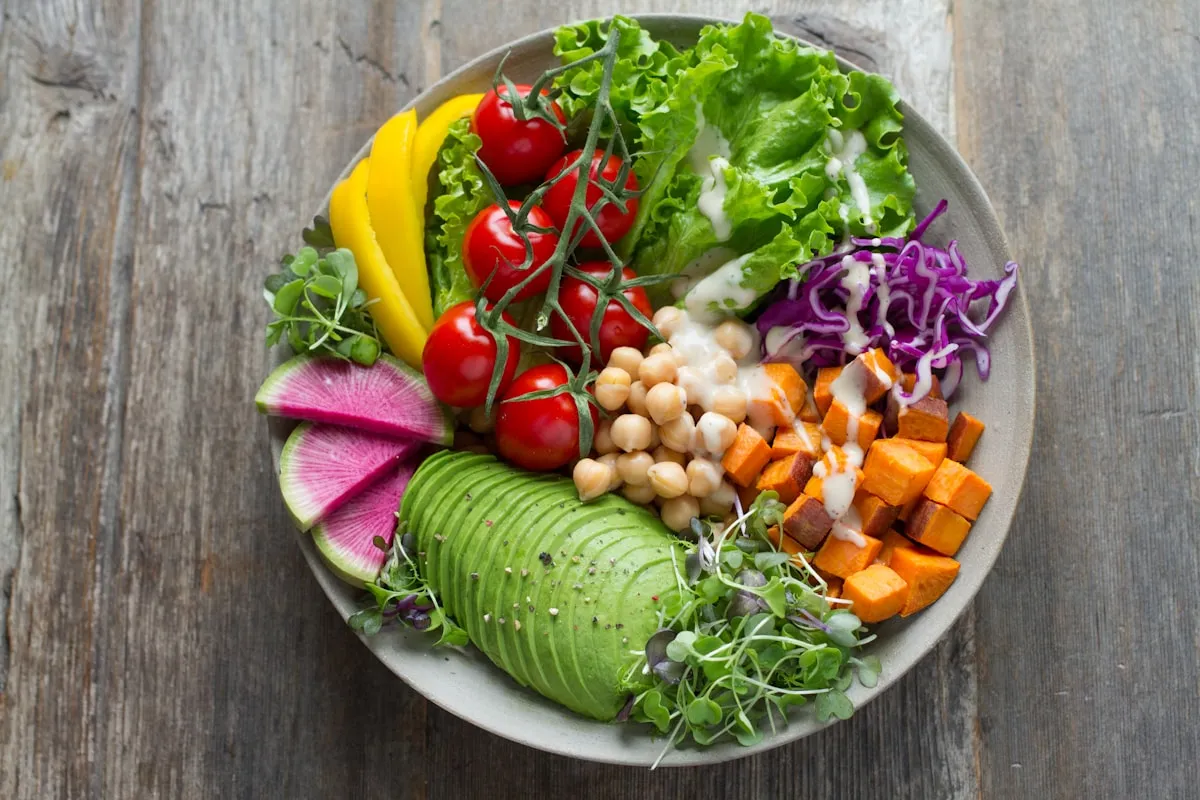
The biggest enemy of a crisp stir-fry is moisture. If your vegetables are wet when they hit the pan, the energy from your stove goes into evaporating that water rather than browning the food. You aren't searing; you're boiling. Pat your vegetables bone-dry after washing. Use a clean kitchen towel or a salad spinner to ensure every leaf and floret is moisture-free. This is the non-negotiable first step for successful quick family meals.
Next, respect the "crowding" rule. When you dump a mountain of cold vegetables into a hot pan, the temperature plummets. Instead of searing, the vegetables release their internal juices, and you end up with a soggy, steamed mess. Stir-fry in batches if you have to. It might feel like it takes longer, but the texture is worth the extra five minutes.
Order of operations is your second best friend. Start with your "hard" vegetables, the ones that take time to soften, like carrots, broccoli stems, and onion. Save the leafy greens or delicate sprouts for the final thirty seconds. Add your aromatics (garlic, ginger, and scallion whites) just before the sauce to prevent them from burning and turning bitter.
If you're already a fan of hands-off cooking, you might enjoy how these techniques translate to other gadgets. For example, our Air Fryer Sausage & Pepper Onion Medley uses similar logic regarding heat and space to achieve that perfect roast.
Seasonal Swaps: Eating the Rainbow on a Dime
Stir-fry is inherently budget-friendly because it thrives on high-volume, low-cost vegetables. Cabbage is the undisputed hero here. It’s cheap, lasts for weeks in the fridge, and develops an incredible sweetness when charred. Whether you use green, red, or Napa cabbage, it provides the perfect "bulk" to your meal without breaking the bank.
Don't be afraid to utilize your freezer. Frozen peas, corn, or green beans are often frozen at the peak of freshness and are much cheaper than their out-of-season fresh counterparts. Just remember the moisture rule: thaw them completely and pat them dry before they hit the wok.
In the spring, lean into spring onions and sugar snap peas. In the autumn, use thinly sliced broccoli stems (yes, the stems! They are crunchier and more flavorful than the florets) and mushrooms. By swapping your veggies based on what’s on sale, you keep your plate interesting and your wallet full. This versatility makes it one of the most reliable quick family meals for a busy household.
Completing the Plate: Side Dish Pairings
A great stir-fry needs a counterpoint. Usually, that’s a neutral starch that can soak up the savory, salty sauce. Steamed jasmine or basmati rice is the classic choice, but don't overlook rice noodles or even a simple pile of quinoa.
To elevate the dish, think about balance. Stir-fries are often rich with soy sauce and oil, so you need a hit of acidity to cut through the weight. A squeeze of fresh lime juice or a tiny splash of rice vinegar right before serving brightens the entire flavor profile.
If you want to add a bit of protein on a budget, consider some Teriyaki Tofu with Charred Spring Onions. Tofu is an excellent, low-cost protein that absorbs the flavors of your stir-fry perfectly. For a different texture entirely, you could even serve your stir-fry alongside some crispy potato elements, similar to how we use the air fryer for Kielbasa and Pierogi.
Stir-Fry Success: Your Questions Answered
Why do my vegetables always turn out soggy?
Soggy vegetables are almost always the result of a pan that isn't hot enough or a pan that is too full. High heat is essential to evaporate moisture instantly. If you see liquid pooling at the bottom of your pan, stop! Remove half the vegetables, turn up the heat, and cook them in smaller groups. Also, ensure you are adding your sauce at the very end.
Can I use a regular frying pan instead of a wok?
Absolutely. While a wok is shaped to help you toss food easily, a large stainless steel or cast iron skillet works perfectly. Avoid non-stick pans for high-heat stir-frying if possible, as they don't hold heat as well and the coatings can degrade at the temperatures required for the Maillard reaction.
How do I stop my garlic from burning?
Garlic and ginger are delicate. If you throw them into a smoking hot pan at the start, they’ll turn into bitter black charcoal before your carrots are even warm. Add them during the last 60 seconds of cooking, or push your vegetables to the sides of the pan, add a tiny bit of oil to the center, and fry the aromatics there for just 15 seconds before tossing everything together.
What is the best oil to use?
Avoid extra virgin olive oil or butter; their smoke points are too low for this technique. Stick to oils with high smoke points like peanut, canola, sunflower, or grapeseed oil. These can handle the intense heat without breaking down or tasting "off."
How can I make this more filling without meat?
Incorporate more "meaty" vegetables like mushrooms or eggplant, or add a handful of toasted peanuts or cashews at the end for healthy fats and crunch. Doubling down on fiber-rich vegetables like broccoli and cabbage will also keep you full longer, making these some of the best healthy dinner ideas for those on a plant-based path.
Should I blanch my vegetables first?
For very hard vegetables like thick broccoli florets or large chunks of carrot, a quick 60-second blanch in boiling water can help. Just make sure to shock them in cold water and: you guessed it: dry them thoroughly before they touch the oil. This ensures the inside is tender while the outside gets that beautiful sear.
If you enjoy the efficiency of these techniques, you'll find that many air fryer recipes dinner enthusiasts use similar logic: controlled heat and airflow are the keys to texture in any modern kitchen.
{“@type”:”BlogPosting”,”image”:”https://cdn.marblism.com/CqoNOrAyCMm.webp”,”author”:{“name”:”Penny”,”@type”:”Person”},”@context”:”https://schema.org”,”headline”:”Budget-Friendly Vegetable Stir-Fry”,”publisher”:{“url”:”https://cookpedia.com”,”name”:”Cookpedia”,”@type”:”Organization”},”articleBody”:”If you’re looking for a way to clear out the crisper drawer without spending a fortune, you’ve hit the jackpot. A stir-fry is more than just a meal; it’s a high-heat technique that transforms humble, inexpensive vegetables into a restaurant-quality feast… [rest of the article content]”,”description”:”Learn the science of the perfect vegetable stir-fry on a budget. Master the Maillard reaction and moisture control for crisp, flavorful results every time.”,”datePublished”:”2026-06-01″}