Recipe
Servings
Servings 1×
Ingredients
- Chicken
- Chickpeas
- Black beans
- Beans
- Rice
- Greek yogurt
- Tortillas
- Greens
- Corn
- Apple
- Onion
- Garlic
- Lime
- Coconut milk
- Cream
- Cooking oil
- Chili seasoning
- Salt
Method
- Add them to the hot oil with your onions for about thirty seconds.
- Add it during the last minute of sautéing your aromatics.
- Use this layering technique to build a foundation that supports the heavy, earthy profile of the black beans.
- Use an immersion blender (or a standard blender with extreme caution) to purée about one-third of the soup.
- Use a squeeze of fresh lime juice or a teaspoon of apple cider vinegar right before serving.
- Stir in a dollop of sour cream, Greek yogurt, or even a splash of heavy cream.
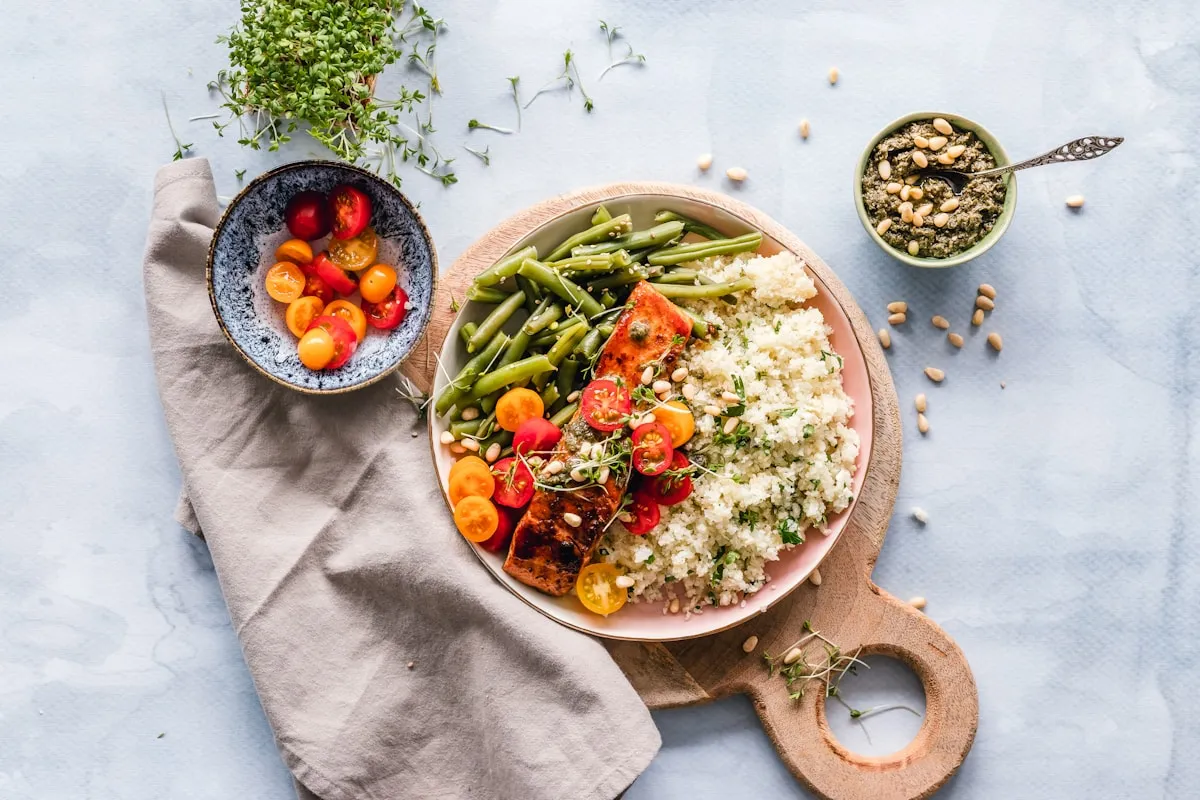
When your bank account is looking a little lean but your hunger is standing firm, you need a kitchen miracle. For me, that miracle is always a pot of spicy black bean soup. It is the ultimate champion of budget friendly recipes because it transforms humble, dusty pantry staples into a meal that tastes like it came from a high-end bistro. You don’t need a culinary degree or a massive grocery budget to pull this off; you just need a few cans of beans and a little bit of heat.
The Science of Flavor Foundations
Creating a soup that tastes like it simmered for six hours when you only have thirty minutes requires understanding the "why" behind your ingredients. Most people make the mistake of just dumping everything into a pot and hoping for the best. Don't be that person. To get the most out of your aromatics, you must respect the Maillard reaction.
Sauté your onions and peppers until they are soft and translucent, but keep going until you see those little golden-brown edges. This isn't just for aesthetics; that browning is the literal creation of complex flavor compounds that aren't present in raw vegetables. This is a cornerstone of quick family meals that don't taste rushed.
Once your base is browned, it’s time for the most important step: blooming your spices. Spices like cumin and chili powder are fat-soluble. If you toss them into the liquid later, they’ll just float around like sad, flavorless dust. Add them to the hot oil with your onions for about thirty seconds. You will smell the difference immediately as the heat releases the volatile oils, intensifying the earthiness of the cumin and the kick of the chili.
Finally, handle your garlic with care. It has a high sugar content and burns faster than a bad reputation. Add it during the last minute of sautéing your aromatics. Burning it will introduce a lingering bitterness that no amount of salt can fix. Use this layering technique to build a foundation that supports the heavy, earthy profile of the black beans.
Mastering Texture and Balance
The biggest complaint about bean soup is that it can feel like a bowl of thin, murky water with some pebbles at the bottom. We want luxury, even on a budget. The secret lies in the starch content of the beans themselves. Use an immersion blender (or a standard blender with extreme caution) to purée about one-third of the soup.
By breaking down the cell walls of the beans, you release their natural starches and proteins into the liquid. This acts as a built-in thickener, creating a velvety, creamy consistency without the need for expensive dairy or flour-based rous. This texture transformation is what takes your cooking from "pantry raid" to healthy dinner ideas that people actually look forward to eating.
However, a rich, creamy soup needs a counter-weight. Without acidity, black bean soup is just a dense, savory brick. Acidity acts as a highlighter for the other flavors. Use a squeeze of fresh lime juice or a teaspoon of apple cider vinegar right before serving. The acid cuts through the richness and brightens the deep, earthy notes of the beans.
Avoid adding the acid too early in the cooking process. High acidity can actually prevent the beans from softening further if you are using dried beans (though for this budget version, canned is your best friend). Save that bright pop for the finale to keep the flavors vibrant.
Creative Twists on the Classic
Once you have mastered the basic science, you can start treating your soup pot like a laboratory. If you have a few extra dollars, a small can of chipotle peppers in adobo sauce is a game-changer. These aren't just spicy; they are smoked jalapeños. They introduce a deep, wood-fired smokiness that mimics the flavor of expensive smoked meats without the cost. Just one pepper, minced finely, can transform the entire pot.
For those who prefer a smoother, tropical vibe, try replacing half of your broth with a can of coconut milk. This creates a "Black Bean Bisque" that is surprisingly elegant. The fat in the coconut milk carries the spice of the chili more gently across your palate, making it a great option for kids or those sensitive to heat.
If you find yourself with leftover proteins, throw them in! Shredded rotisserie chicken or even some crisped-up bacon bits can add a new dimension. If you’re looking for more ways to use your kitchen gadgets, you can even look into air fryer recipes dinner enthusiasts love, like crispy tortilla strips or air-fried chickpeas to toss on top for a crunch that rivals any restaurant garnish.
Perfect Side Dish Pairings
A great soup is only half the battle; you need a partner to finish the job. For this spicy black bean number, you want something that offers a textural contrast or a way to soak up every last drop. Our Skillet Cornbread is the gold standard here. The slight sweetness of the corn balances the spice of the soup, and that buttery, crispy crust provides the crunch you’re missing from the liquid bowl.
If cornbread isn't your thing, go for a bright, acidic slaw. A simple mix of shredded cabbage, lime juice, and a pinch of salt provides a refreshing "snap" that cleanses the palate between spoonfuls of the heavy soup. Or, if you want to keep it ultra-simple, serve it over a scoop of fluffy white rice. This turns the soup into a hearty meal that can stretch across two or three days of lunches.
Remember the goal: balance. If the soup is soft, the side should be crunchy. If the soup is spicy, the side should be cooling or slightly sweet. This is the key to creating quick family meals that feel like a complete experience rather than just a quick fix.
Troubleshooting Your Black Bean Soup (FAQ)
Why does my soup taste "flat" even though I added salt?
Usually, it’s a lack of acidity, not salt. If the flavor feels heavy and one-note, add lime juice or vinegar. If that doesn't work, check if you bloomed your spices. If you skipped that step, the flavors aren't integrated into the oil, and the soup will always taste a bit disconnected.
Can I use dried beans instead of canned to save even more money?
Absolutely. It's the ultimate move for budget friendly recipes. Just remember that dried beans need to be soaked or cooked significantly longer. Scientifically, you should avoid adding salt or acid to the water until the beans are tender. Salt and acid can strengthen the hemicellulose in the bean's skin, which means they might stay tough forever no matter how long you boil them.
My soup is way too spicy. How do I fix it?
Don't panic. Fat is your best friend here. Stir in a dollop of sour cream, Greek yogurt, or even a splash of heavy cream. The capsaicin (the heat component in peppers) binds to the fat, which helps wash it off your tongue instead of letting it sit there and burn. You can also add a pinch of sugar to distract your taste buds.
How long does this stay good in the fridge?
Black bean soup is one of those rare dishes that actually tastes better the next day. As it sits, the starches continue to hydrate and the aromatic compounds from the spices have more time to diffuse through the liquid. It will stay fresh for about 4–5 days in the fridge, or you can freeze it for up to three months.
Is this soup actually healthy?
Yes! Black beans are a powerhouse of fiber and plant-based protein. By focusing on healthy dinner ideas that use whole ingredients and spices for flavor rather than excessive fats or processed sugars, you’re fueling your body while protecting your wallet. Check our healthy recipe database for more ways to keep your nutrition on track without spending a fortune.