Recipe
Servings
Servings 1×
Ingredients
- Black beans
- Beans
- Quinoa
- Rice
- Potatoes
- Sweet potatoes
- Spinach
- Kale
- Greens
- Corn
- Avocado
- Apple
- Tomatoes
- Onion
- Lime
- Honey
- Cooking oil
- Chili seasoning
Method
- Let’s start with the quinoa.
- Use a fine-mesh strainer and run cold water over the grains until the water runs clear.
- Layer your spices properly to build what I call "the flavor floor." Avoid just dumping everything in at the end.
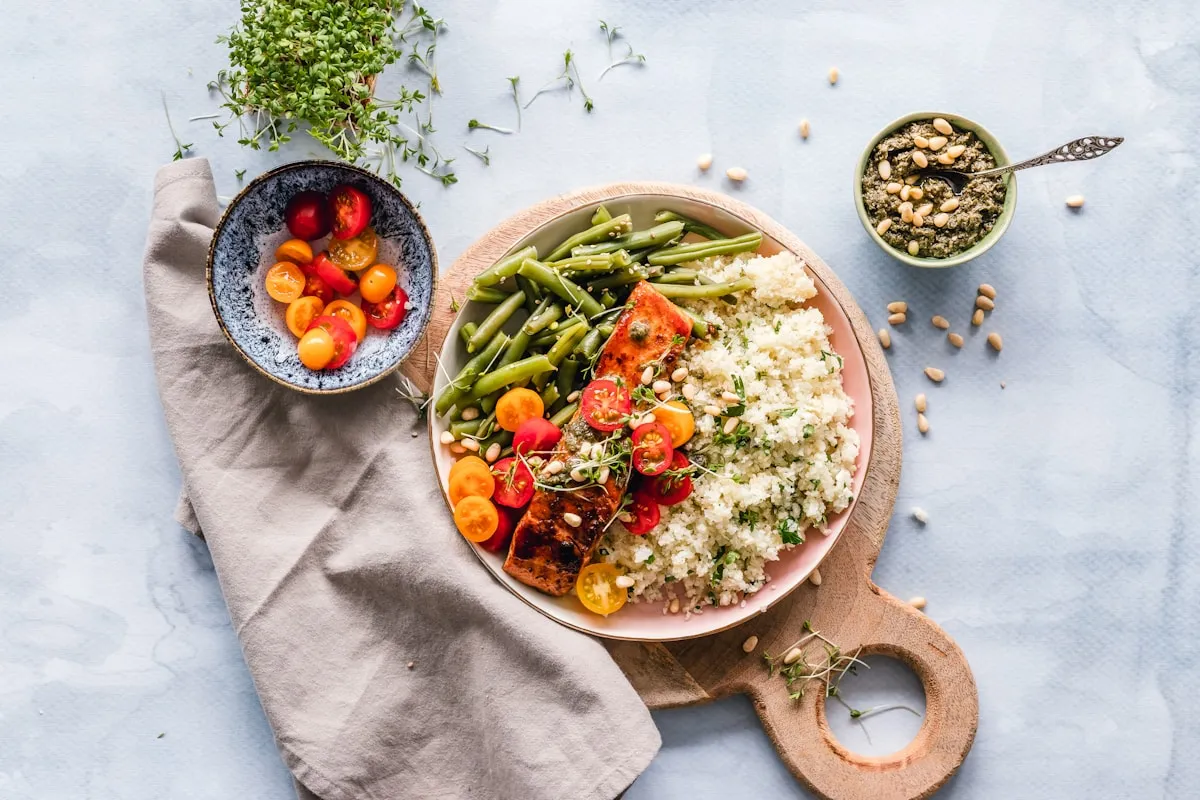
If you are looking for a meal that actually sticks to your ribs without leaving you feeling like a lead balloon, you have landed in the right place. Most people think of chili as a meat-heavy affair, but I am here to tell you that plants can do the job just as well, if not better. This chili is one of my favorite plant-based dinner ideas because it relies on high-quality pantry staples and fresh produce to create a complex, satisfying bowl of comfort. It is one of those quick family meals that makes the kitchen smell incredible and keeps everyone coming back for a second scoop.
The Science of Flavor and Texture
To make a truly great chili, you have to understand how your ingredients interact. Let’s start with the quinoa. Most people treat quinoa like rice, but in a chili, it acts as a structural thickener. Quinoa is a complete protein, meaning it has all nine essential amino acids your body can't make on its own. When it simmers in a pot of liquid, those tiny grains eventually "pop" and release their internal starches. This is a game-changer for plant-based cooking because those starches naturally thicken the broth, giving you a mouthfeel that usually requires hours of simmering or fatty meats.
Always rinse your quinoa before adding it to the pot. I know it’s an extra step, but quinoa is coated in saponins, which are nature’s defense mechanism. They taste like soap and have a distinct bitterness that can ruin the delicate sweetness of your sweet potatoes. Use a fine-mesh strainer and run cold water over the grains until the water runs clear. This ensures you only taste the nutty, earthy notes of the grain.
The sweet potato is your other star player. While the quinoa provides the protein and the "chew," the sweet potato provides the balance. Sweet potatoes are packed with natural sugars and pectin. As they cook, they release these sugars, which caramelize slightly against the heat and balance the acidity of the tomatoes and the heat of the chili powder. Don't peel them if the skin is thin! The skin contains extra fiber and helps the cubes hold their shape during a long simmer. Chop them into uniform cubes so they cook at the same rate. If you have some pieces that are massive and others that are tiny, you’ll end up with a mix of rocks and mush.
Layer your spices properly to build what I call "the flavor floor." Avoid just dumping everything in at the end. When you add your spices like cumin, chili powder, and smoked paprika to the pot while the onions are sautéing, you are essentially "blooming" them in the oil. This fat-soluble extraction process releases the aromatic oils in the spices, making the final dish much more fragrant and flavorful. If you wait until the liquid is already in the pot, the spices just float on top and never reach their full potential.
Creative Variations and Upgrades
While the classic version is hard to beat, you should treat your kitchen like a lab. If you want to add an extra layer of texture, try looking into air fryer recipes dinner techniques. You can roast your sweet potato cubes in the air fryer with a little bit of olive oil and salt before adding them to the chili at the very end. This creates a crispy, caramelized exterior that provides a lovely contrast to the soft, stewy beans and quinoa. It’s a small tweak that elevates the dish from a simple stew to a gourmet experience.
Consider the bean variety as well. While black beans are the standard for this type of chili, kidney beans or pinto beans offer different textures. Kidney beans have a tougher skin and a creamier interior, which can add a "meaty" bite. If you want even more greens, stir in a handful of kale or spinach five minutes before serving. The residual heat will wilt the greens perfectly without turning them into a swampy mess.
For a deeper, more mysterious flavor profile, add a teaspoon of unsweetened cocoa powder. It won't make your chili taste like a chocolate bar, but it adds an earthy umami depth that mimics the richness of a slow-cooked beef chili. Pair this with a splash of apple cider vinegar or lime juice right before serving. That hit of acidity cuts through the starch and brightens all the heavy spices. Check our recipe database for more ways to use these flavor boosters.
Perfect Side Dish Pairings
No bowl of chili is complete without something on the side to soak up the sauce. A classic choice is a golden, honey-drizzled cornbread. The sweetness of the corn pairs beautifully with the heat of the chili, and the crumbly texture provides a necessary break from the smoothness of the stew. If you are looking for healthy dinner ideas that keep the meal strictly plant-based, a simple side of sliced avocado and lime is the way to go.
The fat from the avocado provides a creamy counterpoint to the acidity of the tomatoes. You can also try a quick cabbage slaw dressed with nothing but lime juice and a pinch of salt. The crunch of raw cabbage provides a textural "high note" that prevents the meal from feeling too heavy. Always include something fresh and raw on the table to balance out the cooked, concentrated flavors of the chili.
Frequently Asked Questions
Why is my quinoa still crunchy?
If your quinoa feels like little pebbles, you likely didn't use enough liquid or didn't cook it long enough. Quinoa needs about a 2:1 ratio of liquid to grain. Since the sweet potatoes are also absorbing moisture, you may need to add an extra splash of vegetable broth halfway through. Keep the lid on the pot! Steam is your friend here. Without the lid, the moisture evaporates too quickly, leaving the grains high and dry before they can fully hydrate.
Can I make this in a slow cooker?
Absolutely. Just toss everything in and set it on low for about 6 to 8 hours. The sweet potatoes will become incredibly tender, almost melting into the sauce. However, be aware that the quinoa will absorb a lot of liquid over that time, so you might end up with a very thick "chili mash." If you prefer a soupier consistency, add an extra cup of broth at the beginning.
How do I store leftovers?
This chili actually tastes better the next day. As it sits in the fridge, the spices continue to meld and the sweet potatoes release more of their natural sugars. Store it in an airtight container for up to five days. When reheating, add a tablespoon of water or broth to loosen it up, as the quinoa will continue to drink up the sauce while it sits. It also freezes beautifully for up to three months, perfect for those weeks when you need quick family meals but don't have time to cook from scratch.
Is this chili actually healthy?
Yes, it's a nutritional powerhouse. Between the fiber in the beans and potatoes and the protein in the quinoa, this dish is designed to keep your blood sugar stable and your energy levels high. It’s one of those healthy dinner ideas that doesn't feel like "diet food" because it is so incredibly flavorful. If you want to explore more nutrient-dense meals, take a look at our cooking guides for more tips on maximizing flavor with "real food" ingredients.
My chili is too spicy, how do I fix it?
If you got a little heavy-handed with the cayenne or chili powder, don't panic. The best way to neutralize heat in a plant-based dish is to add fat or acid. A big dollop of plain dairy-free yogurt or a few extra slices of avocado will coat your tongue and dampen the spice. Alternatively, add a little more sweetness (like an extra sweet potato or a teaspoon of maple syrup) to balance the burn. Avoid adding more water, as that just dilutes the flavor without actually tackling the heat.