Recipe
Servings
Servings 1×
Ingredients
- Lentils
- Chickpeas
- Beans
- Rice
- Cauliflower
- Onion
- Lemon
- Mustard
- Coconut milk
- Cream
- Cooking oil
- Turmeric
- Chili seasoning
Method
- Prepare the ingredients described in the article and heat the cooking surface or oven as directed.
- Cook the main ingredients using the heat and timing guidance in the article.
- Finish with the seasonings and garnishes named in the article, then serve.
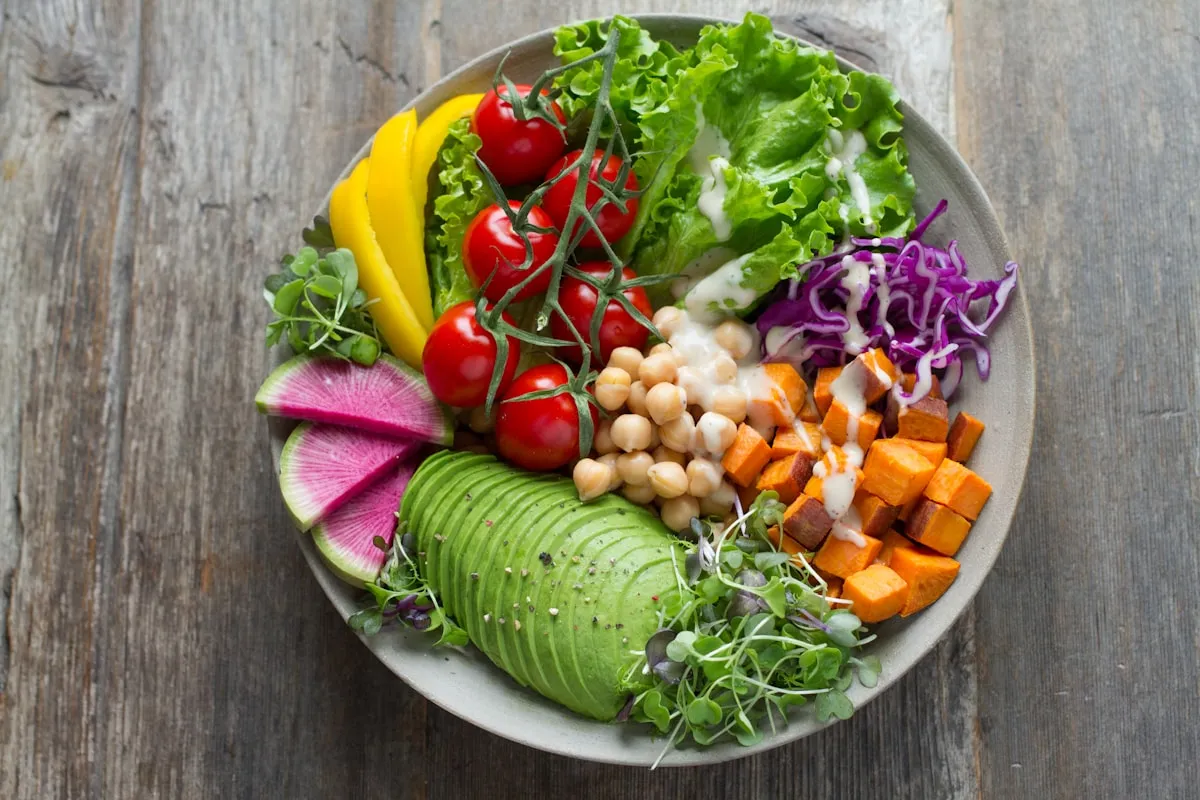
If you’ve ever stared at your pantry on a Tuesday night wondering how to turn a bag of dried legumes into something that doesn't taste like cardboard, you’re in the right place. Red lentil dal is my ultimate secret weapon. It is the ultimate hug in a bowl: creamy, fragrant, and shockingly cheap to make. When I’m looking for plant-based dinner ideas that don't require a trip to a specialty grocery store, this is the first thing I reach for. It’s soulful food that feels like a warm blanket, and the best part? It takes less time to cook than it does to decide what to watch on Netflix.
The Chemistry of Creaminess: Why Red Lentils Win
Red lentils, or masoor dal, are the sprinters of the legume world. Unlike chickpeas or kidney beans that require an overnight soak and an eternity on the stove, red lentils are hull-less and split. This means they possess a high surface-area-to-volume ratio, allowing water to penetrate the starch granules almost instantly. As they simmer, the starch undergoes "gelatinization": the granules swell and eventually burst, releasing amylose and amylopectin into the liquid. This is what creates that naturally thick, porridge-like consistency without needing a drop of heavy cream.
To master this dish, you need to respect the rinse. Always wash your lentils in a fine-mesh sieve until the water runs clear. You’re washing away excess surface starch that can turn your dal gummy rather than creamy. Check the pot frequently; red lentils transition from "al dente" to "puree" in a matter of minutes. If you want a truly refined texture, skim off the greyish foam that rises to the top during the initial boil. Those are just impurities and proteins denaturing, and getting rid of them results in a cleaner, brighter flavor.
The most critical technique you’ll learn today is the Tadka (or tempering). This is where the science of flavor extraction happens. Many people make the mistake of boiling their spices with the lentils. Don’t do that. Instead, sizzle your whole spices: like cumin and mustard seeds: in hot oil or ghee at the very end. This process, known as fat-soluble flavor extraction, allows the heat to release essential oils that would otherwise remain trapped inside the seeds. When that sizzling oil hits the lentils, it creates a flavor explosion that defines quick family meals worth repeating.
Creative Swaps and Flavor Profiles
One of the reasons I love experimenting with plant-based dinner ideas is the sheer versatility of the base ingredients. While the classic red lentil dal is a masterpiece of minimalism, you can easily shift the flavor profile to suit your mood. If you’re craving something richer, whisk in a few tablespoons of coconut milk at the end. The fats in the coconut milk act as a flavor carrier, smoothing out the sharp edges of the turmeric and chili.
For those who like a bit of texture, try mixing your red lentils with yellow moong dal. The moong dal holds its shape slightly better, giving you a variegated consistency that feels a bit more substantial. If you have leftovers, don't just reheat them: transform them. Thickened, day-old dal makes an incredible base for a "dal pancake" (chilla) or can even be used as a high-protein spread for sandwiches. It’s one of those budget friendly recipes that actually tastes better the next day once the spices have had time to fully hydrate and mingle.
The Perfect Balance: What to Serve Alongside
A bowl of dal is great, but a meal is about balance. Because dal is inherently soft and earthy, you need something with crunch and acidity to wake up your palate. I almost always serve mine with a side of quick-pickled red onions or a heavy squeeze of fresh lemon juice. The citric acid cuts right through the dense starch of the lentils, making every bite taste as fresh as the first.
If you’re looking to add more bulk to your healthy dinner ideas, skip the standard side salad and look to your appliances. I often find that pairing dal with roasted vegetables creates a much more satisfying experience. For example, using air fryer recipes dinner style: like tossing some cauliflower florets with turmeric and cumin and air-frying them until charred: adds a smoky, crispy element that complements the creamy lentils perfectly. It rounds out the plate without adding hours of prep time. Of course, a scoop of fluffy basmati rice or a piece of charred naan is non-negotiable for soaking up every last drop of that golden sauce.
Frequently Asked Questions
Why did my lentils turn into a grey mush?
This usually happens for two reasons: overcooking or skipping the rinse. Red lentils are delicate. If you boil them on a high roll for too long, they lose their vibrant orange/yellow color and turn grey. Aim for a gentle simmer. Also, the "mush" factor is actually a feature of dal, but if it feels unappealing, try reducing the water slightly or adding a pinch of turmeric early on: it helps maintain that golden hue.
Can I make this in a slow cooker?
You can, but honestly, it’s so fast on the stovetop that a slow cooker is almost overkill. If you do use one, reduce the liquid slightly as there is less evaporation. Just remember to still do your tadka (the spice tempering) in a separate pan at the end. Putting raw spices in a slow cooker won't give you that punchy, toasted flavor that makes this dish sing.
Is red lentil dal actually healthy?
Absolutely. It’s a powerhouse of nutrition. We're talking high fiber for gut health and a solid hit of plant-based protein. It's one of those healthy dinner ideas that keeps you full for hours because the complex carbohydrates digest slowly. Just keep an eye on the amount of oil or ghee you use in your tempering if you’re watching your caloric intake.
Can I freeze leftover dal?
Yes! Dal freezes beautifully. In fact, I recommend making a double batch. The texture might thicken up even more in the freezer, so when you reheat it, just add a splash of water or broth to loosen it back to your preferred consistency. It's the ultimate solution for quick family meals on those nights when you're too tired to even think about a cutting board.
Do I really need to temper the spices separately?
Yes. This is a non-negotiable coaching moment. If you just throw your spices into the boiling water with the lentils, you are essentially "boiling" your flavor. Sizzling them in oil first unlocks their aromatic compounds. It’s the difference between a flat, one-dimensional soup and a vibrant, restaurant-quality dal. Trust the process!
For more inspiration on building a pantry-friendly kitchen, check out our other quick family meals and start mastering the art of the 15-minute dinner. Cooking doesn't have to be expensive or complicated to be soulful: sometimes, it just takes a bag of lentils and a little bit of science.