Recipe
Servings
Servings 1×
Ingredients
- Chickpeas
- Black beans
- Beans
- Quinoa
- Rice
- Tortillas
- Potatoes
- Cauliflower
- Asparagus
- Greens
- Corn
- Cucumber
- Avocado
- Apple
- Tomatoes
- Lemon
- Lime
- Black pepper
Method
- Use a baking dish that fits the peppers snugly; if they have too much room to roam, they’ll tip over and lose their precious cargo.
- Cover your baking dish with foil for the first two-thirds of the cooking time.
- Add a squeeze of lime juice or a splash of apple cider vinegar to your filling before stuffing.
- Use oregano and lemon zest to brighten the profile.
- Place any remaining peppers in an airtight container.
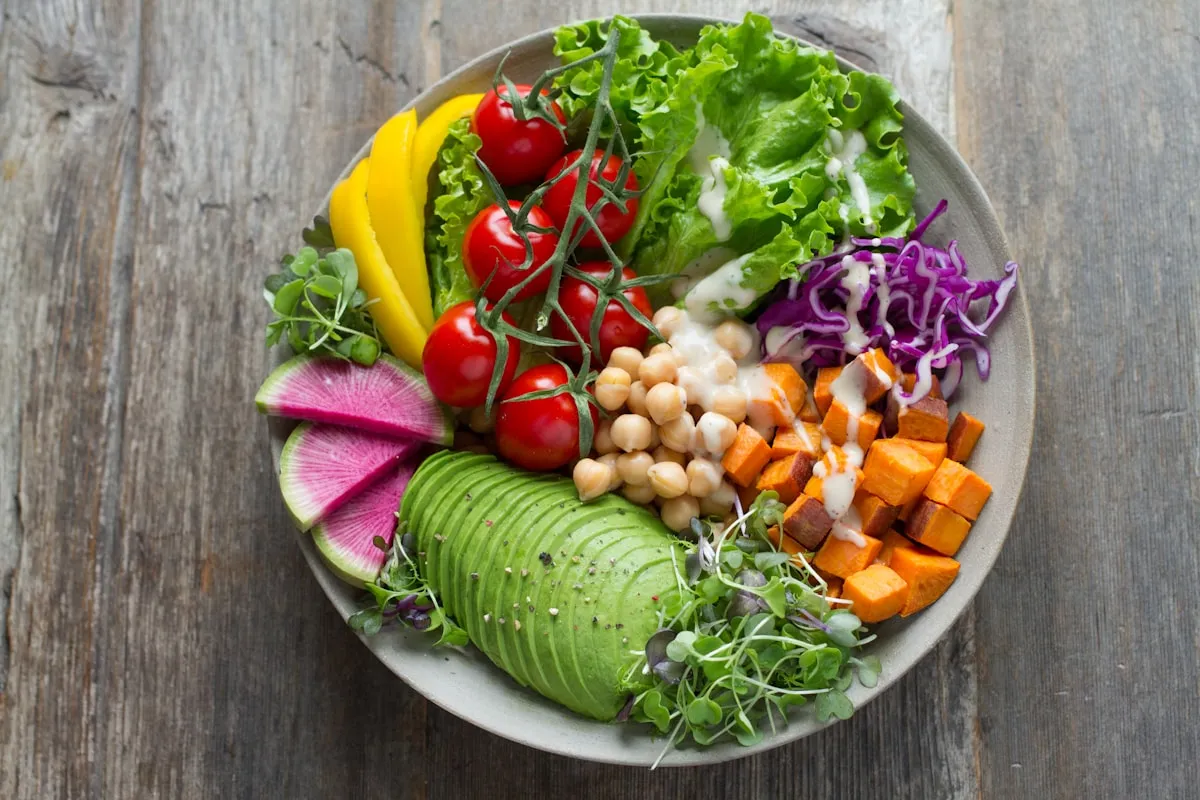
You know that feeling when you want a dinner that looks like you spent hours in the kitchen, but your reality involves a ticking clock and a hungry family? Enter the stuffed bell pepper. It’s the ultimate edible vessel: a self-contained, nutrient-dense package that makes plant-based dinner ideas feel less like "health food" and more like a gourmet treat. These quinoa-stuffed peppers are my go-to for quick family meals because they hit that sweet spot of visual appeal and pure, soulful comfort.
The Science of the Perfect Pepper: Texture and Heat
Getting a stuffed pepper right is all about managing moisture and heat. If you’ve ever bitten into a pepper that was either crunchy-raw or a sad, soggy puddle, you’ve experienced a failure of thermal physics. The goal is to reach the "al dente" of the vegetable world: tender enough to cut with a fork, but structurally sound enough to hold its contents.
The Pectin Breakdown
Bell peppers are held together by pectin, a structural heteropolysaccharide found in the cell walls. To soften these walls without turning the pepper into mush, you need a sustained, moderate heat. Aim for 375°F (190°C). This temperature is high enough to encourage the pectin to break down but low enough to prevent the skin from charring before the "walls" soften. Use a baking dish that fits the peppers snugly; if they have too much room to roam, they’ll tip over and lose their precious cargo.
The Steam Shield
Cover your baking dish with foil for the first two-thirds of the cooking time. This is non-negotiable. By trapping the steam released from the peppers and the filling, you create a mini-pressure chamber. This steam hydrates the quinoa further and ensures the pepper cooks from the inside out. Without the foil, the top of your filling will dry out into a gritty crust while the pepper remains stubbornly firm. Check for tenderness by piercing the side of a pepper with a paring knife; it should slide in with minimal resistance.
Grain Selection and Hydration
We use quinoa here because it’s a nutritional powerhouse, providing a complete protein profile that many other healthy dinner ideas lack. Scientifically, quinoa isn’t a grain: it’s a seed. It has a tiny germ that "pops" when cooked, providing a delightful snap. When mixing your filling, ensure your quinoa is pre-cooked but slightly under-hydrated. It will absorb the juices from the black beans, corn, and the pepper itself during the bake, locking in flavor rather than just sitting there.
Balancing Flavors: Variations and Texture
A great meal is a symphony of contrasts. In this dish, the sweetness of the roasted bell pepper and corn needs to be balanced by acidity and a bit of "fatty" mouthfeel. While this is a plant-based star, you don't have to sacrifice richness.
The Acid-Fat Balance
Add a squeeze of lime juice or a splash of apple cider vinegar to your filling before stuffing. This acidity cuts through the starchy density of the beans and quinoa. For richness, top your peppers with a generous amount of plant-based cheese or a dollop of avocado crema after baking. The contrast between the hot, savory filling and a cool, zesty topping is what transforms a simple meal into something memorable.
Global Profiles
Change the personality of your dish by swapping the spices. For a Mediterranean twist, replace the black beans and corn with chickpeas, sun-dried tomatoes, and Kalamata olives. Use oregano and lemon zest to brighten the profile. If you're looking for more air fryer recipes dinner inspiration, try roasting smaller mini-peppers in the air fryer at 360°F for 10-12 minutes for a concentrated, charred flavor that mimics a wood-fired oven.
Better Together: Side Dish Pairings
Even though these peppers are a complete meal, the right side dish can elevate the experience. Think about texture. Since the peppers are soft and hearty, you want something crisp and light on the side.
A bright arugula salad with a sharp vinaigrette is a classic choice. The bitterness of the greens resets your palate between bites of the savory quinoa. Alternatively, consider a crunchy slaw made with shredded cabbage and radishes. Avoid heavy, starchy sides like potatoes; you’ve already got plenty of complex carbohydrates in the quinoa and beans. If you want to lean into the theme of healthy dinner ideas, a simple plate of grilled asparagus or a chilled cucumber salad provides the perfect cooling contrast to the warm, spiced peppers.
Troubleshooting & FAQ: The Stuffed Pepper Scientist
Home cooking is an experiment, and sometimes the lab results vary. Here are the answers to the "what ifs" that might pop up in your kitchen.
Why are my peppers watery at the bottom?
This usually happens because of "weeping." Bell peppers are about 92% water. When they cook, that water has to go somewhere. Avoid adding extra liquid to your filling. If you use canned black beans, drain and rinse them thoroughly. If the moisture persists, try pre-roasting the empty pepper halves for 10 minutes upside down on a paper towel before stuffing them. This allows some of the initial moisture to escape.
Can I make these ahead of time?
Absolutely. In fact, the flavors in the filling often deepen after a night in the fridge. Stuff the peppers, place them in your baking dish, and cover them tightly with plastic wrap. Store them for up to 24 hours. When you're ready to eat, swap the plastic for foil and add about 10 minutes to the total baking time to account for the cold start. This makes them one of the best quick family meals for busy weeknights.
What if I don't have quinoa?
While quinoa is the gold standard for its protein content, you can substitute it with farro, brown rice, or even cauliflower rice for a lower-carb option. Note that farro will add a much chewier, nuttier texture, while cauliflower rice will significantly reduce the cooking time: watch the oven closely so the peppers don't over-soften before the "rice" is done.
Can I use the air fryer for this?
Yes! If you are a fan of air fryer recipes dinner, you can cook these in about half the time. Set your air fryer to 350°F. You may need to trim the bottoms of the peppers slightly so they stand upright (be careful not to cut a hole!). Air fry for 15-20 minutes. Since air fryers use intense convection heat, you might not need to cover them, but keep an eye on the tops to ensure they don't burn.
How do I store leftovers?
Place any remaining peppers in an airtight container. They’ll stay fresh for 3–4 days. For the best results, reheat them in the oven or air fryer rather than the microwave. The microwave tends to make the pepper skin "rubbery," whereas a quick blast of dry heat restores that perfect roasted texture.
For more inspiration on simple, soulful cooking, check out our latest guides on Cookpedia. We’re all about making real food accessible, one bell pepper at a time.