Recipe
Servings
Servings 1×
Ingredients
- Rice
- Eggs
- Soy sauce or tamari
- Salt
- Black pepper
Method
- Use your fingers to break up the cold rice into individual grains before they ever touch the pan.
- Heat management is your next hurdle.
- Cook your vegetables in small batches and set them aside.
- Use a minimal amount of high-quality soy sauce or a pinch of salt and white pepper.
If your pantry feels like a ghost town and your fridge is down to the last few stragglers, don’t panic. You’re sitting on a goldmine. Vegetable fried rice with egg is the ultimate culinary "something out of nothing." It’s one of those budget friendly recipes that actually tastes like a reward rather than a compromise. Today, I'm showing you how to turn yesterday’s leftovers into a masterpiece that rivals your favorite takeout, all while keeping your wallet happy and your kitchen stress-free.
The Science of the Sizzle: Mastering Technique
To the untrained eye, fried rice looks like a chaotic toss of ingredients, but there is a precise chemistry at play. If you’ve ever ended up with a gummy, sad pile of mush, you likely ignored the most important scientific principle: starch retrogradation.
When rice is freshly cooked, the starch molecules are swollen and sticky with moisture. If you throw hot rice into a pan, that steam has nowhere to go but back into the grain, resulting in a clumped mess. By using day-old rice that has been chilled, the starches have time to recrystallize and firm up. This allows every grain to remain distinct. Use your fingers to break up the cold rice into individual grains before they ever touch the pan. This is non-negotiable for achieving that "loose and lively" texture.
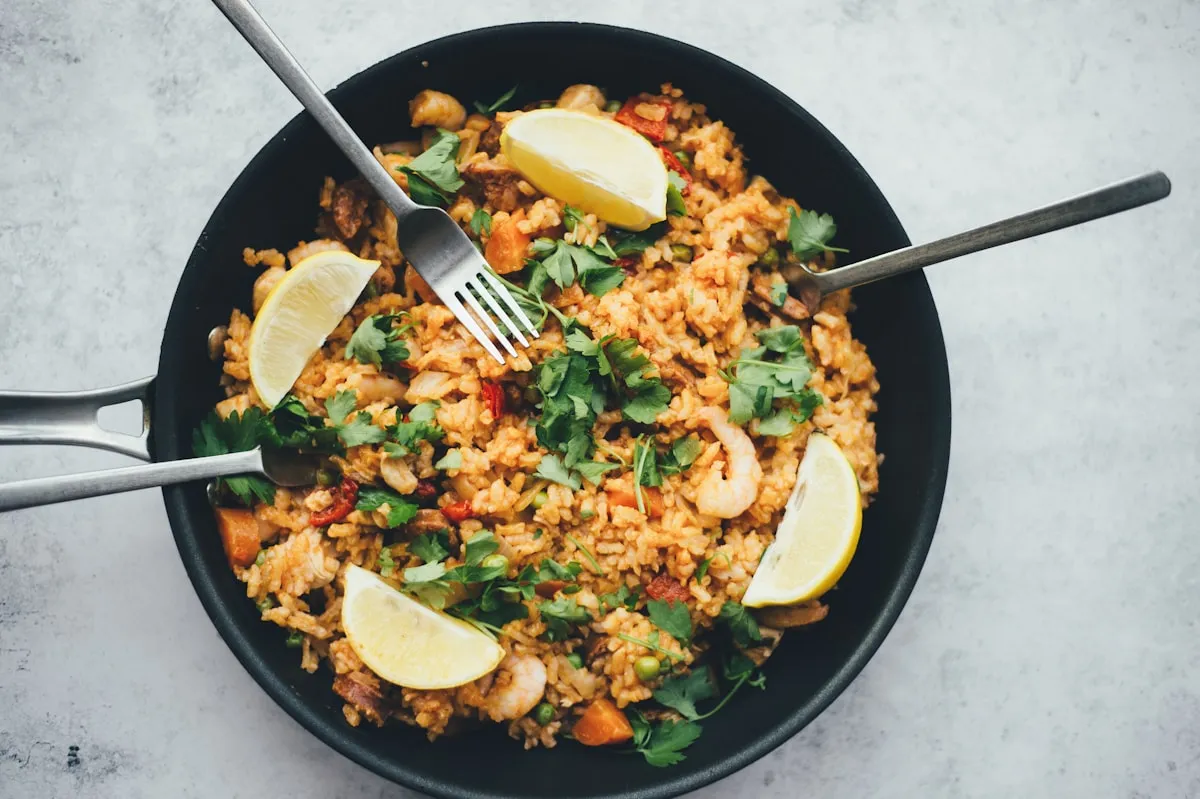
Heat management is your next hurdle. You aren't just heating the food; you are looking for the Maillard reaction, that magical chemical reaction between amino acids and reducing sugars that gives browned food its distinctive flavor. To get this, you need high heat. Avoid crowding the pan. If you put too many cold vegetables in at once, the temperature of the skillet will plumet, and your food will steam rather than fry. Cook your vegetables in small batches and set them aside.
The egg deserves its own spotlight. Do not simply crack the egg over the rice and hope for the best. This creates a "scrambled rice" coating that is often rubbery. Instead, push your rice to the side and scramble the eggs in the cleared space, or cook them first and fold them back in at the very end. This ensures you get soft, tender yellow clouds of protein that contrast beautifully with the toasted rice.
Finally, control your moisture. It is tempting to douse the dish in soy sauce for flavor, but liquid is the enemy of the fry. Use a minimal amount of high-quality soy sauce or a pinch of salt and white pepper. The goal is to season the rice, not to drown it. If you’re looking for more easy dinner recipes, mastering this dry-fry technique is the best place to start.
Variations: Balancing Flavor and Budget
The beauty of fried rice lies in its adaptability. While the classic vegetable-and-egg combo is a powerhouse of quick healthy meals, you can easily pivot based on what is on sale at the grocery store.
If the dish feels too "heavy" or rich, lean into acidity. A splash of rice vinegar or a squeeze of lime at the very end cuts through the oil and brightens the entire profile. If you have a jar of kimchi sitting in the back of the fridge, chop it up and toss it in. The fermented cabbage provides both a probiotic boost and a complex, spicy tang that transforms the dish.
For those watching their glycemic index, you can swap white rice for brown rice or even quinoa. Just remember that the moisture content varies; brown rice is heartier and can handle a bit more "tossing" without breaking. You can explore more variations in our quick meals section to find the perfect fit for your dietary needs. Don't be afraid to experiment with textures, adding toasted sunflower seeds or crushed peanuts provides a crunch that elevates the humble rice to a gourmet experience.
Side Dish Pairings: Creating a Balanced Plate
While a big bowl of fried rice is a meal in itself, pairing it with the right side dish can turn a simple weeknight dinner into a full-spread experience. The key is to find sides that offer a contrast in texture or temperature.
A chilled cucumber salad with a light sesame dressing is the perfect companion. The cool, crisp crunch of the cucumber cleanses the palate between bites of the warm, savory rice. If you’re looking for more protein, consider simple grilled skewers or even a few pieces of air-fried tofu seasoned with ginger and garlic.
If you prefer something warm, a clear, ginger-infused broth or a simple miso soup provides a soothing "wet" element to the "dry" fried rice. This balance of textures is a hallmark of soulful home cooking. Keeping the sides simple ensures you stay within the realm of budget friendly recipes without sacrificing the feeling of a complete, well-thought-out dinner.
FAQ: Troubleshooting Your Fried Rice
Why is my fried rice always soggy?
The culprit is almost always moisture. Using freshly cooked rice is the most common mistake. If you absolutely must use fresh rice, spread it out on a baking sheet and put it in front of a fan for 20 minutes to dry out the surface starch. Also, ensure your pan is piping hot before adding any ingredients. If it doesn't sizzle the moment it hits the metal, it’s not hot enough.
Can I use frozen vegetables?
Absolutely. In fact, frozen peas and carrots are a staple for easy dinner recipes because they are flash-frozen at peak ripeness. The trick is to add them toward the end of the cooking process so they just thaw and warm through without releasing too much water into the rice.
What is the best oil to use?
Choose an oil with a high smoke point. Butter tastes great but will burn at the high temperatures required for a proper fry. Stick to vegetable oil, canola, or grapeseed oil. If you want that signature nutty aroma, drizzle a tiny bit of toasted sesame oil over the dish after you’ve turned off the heat.
My rice sticks to the pan! What do I do?
This usually happens if you aren't using enough oil or if your pan isn't seasoned well. If you are using a stainless steel skillet, make sure you use the "Leidenfrost effect" technique: heat the pan until a drop of water beads up and rolls around like mercury before adding your oil and food.
Can I make this healthy?
Yes, this is one of the best quick healthy meals because you control the ingredients. Load up on high-fiber vegetables like broccoli, peppers, and snap peas. Reduce the amount of oil by using a high-quality non-stick pan, and use low-sodium soy sauce or coconut aminos to keep the salt levels in check.
{“@type”:”FAQPage”,”@context”:”https://schema.org”,”mainEntity”:[{“name”:”Why is my fried rice always soggy?”,”@type”:”Question”,”acceptedAnswer”:{“text”:”Soggy rice is usually caused by using fresh, warm rice which contains too much moisture. Use day-old, chilled rice and high heat to ensure the grains stay separate and fry rather than steam.”,”@type”:”Answer”}},{“name”:”Can I use frozen vegetables?”,”@type”:”Question”,”acceptedAnswer”:{“text”:”Yes, frozen vegetables are budget-friendly and convenient. Add them near the end of the cooking process to prevent them from releasing excess water into the rice.”,”@type”:”Answer”}},{“name”:”What is the best oil for fried rice?”,”@type”:”Question”,”acceptedAnswer”:{“text”:”Use a neutral oil with a high smoke point, such as vegetable, canola, or grapeseed oil. Avoid butter for the high-heat frying stage as it burns easily.”,”@type”:”Answer”}}]}