Recipe
Servings
Servings 1×
Ingredients
- Lentils
- Rice
- Greek yogurt
- Bread
- Potatoes
- Sweet potatoes
- Onion
- Lime
- Coconut milk
- Cream
- Curry spices
- Chili seasoning
- Salt
Method
- Make this one-pot lentil and sweet potato curry when you want a warm, filling dinner without asking your wallet to attend a second meeting.
- Keep the heat gentle, let the pot do its work, and you will have one of the most satisfying budget friendly recipes in your weeknight rotation.
- Warm spices contain aromatic oils, and gentle heat helps release those oils into the cooking fat and softened onion.
- Use medium heat and stir constantly during this stage.
- Rinse them before cooking to remove dust and excess surface starch.
- Use brown or green lentils if you prefer more bite, but allow extra cooking time and expect a less creamy result.
Intro: Big Comfort, Small Grocery Bill
Make this one-pot lentil and sweet potato curry when you want a warm, filling dinner without asking your wallet to attend a second meeting. It uses inexpensive pantry staples, creates generous portions, and delivers the kind of creamy, fragrant comfort usually associated with a much longer shopping list.
I love it for busy evenings because it is forgiving, nourishing, and gloriously low on washing-up. Keep the heat gentle, let the pot do its work, and you will have one of the most satisfying budget friendly recipes in your weeknight rotation.
Tips & Technique: Build Flavor Before You Add Liquid
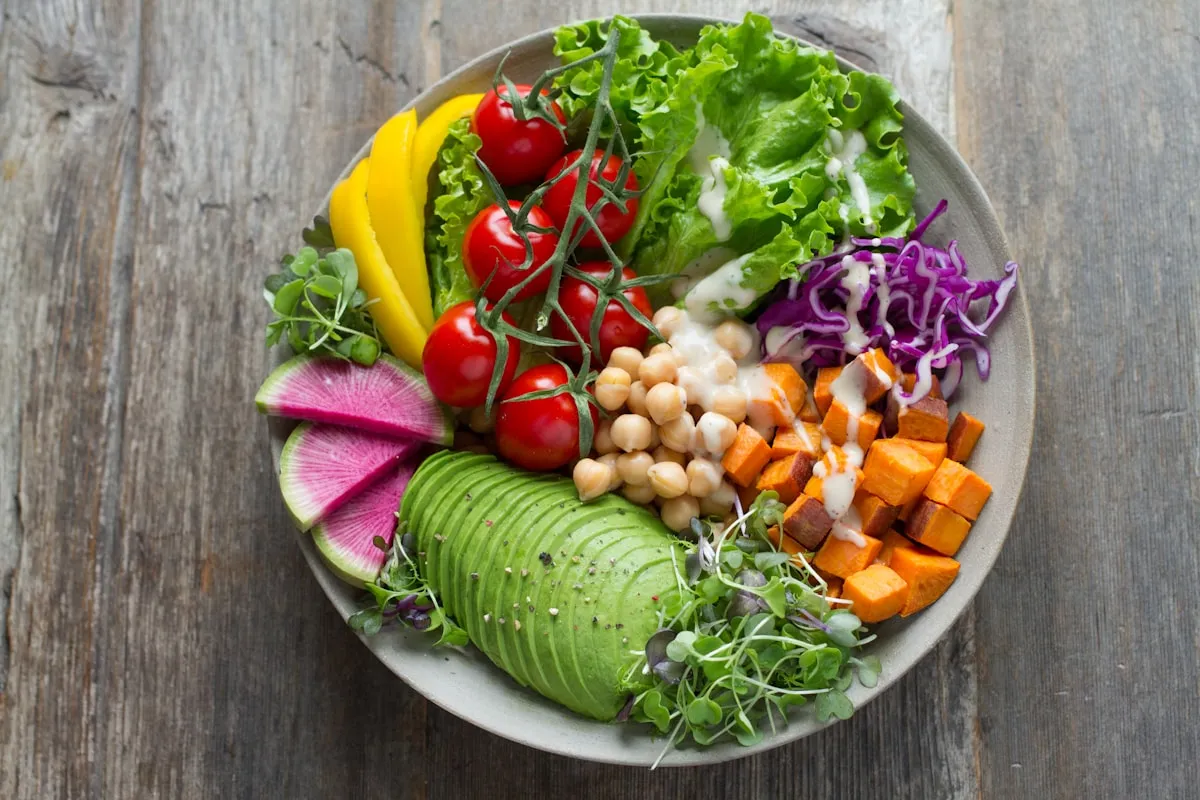
Toast the spices to wake them up
Do not rush the spice base. Warm spices contain aromatic oils, and gentle heat helps release those oils into the cooking fat and softened onion. That is why a curry tastes deeper when you briefly toast the spices instead of tipping them into a pot full of liquid and hoping for a miracle.
Use medium heat and stir constantly during this stage. Avoid letting the spices scorch, because burnt cumin or chili will not become charming later. If the mixture looks dry, add a small splash of water and keep moving. You want fragrance, not a smoky kitchen audition.
Choose lentils for the texture you want
Red split lentils are the budget hero here. They cook quickly and break down as they simmer, thickening the curry naturally. Their starch helps create a velvety texture without requiring cream, a blender, or any culinary gymnastics.
Rinse them before cooking to remove dust and excess surface starch. This also helps reduce foaming. Expect red lentils to soften into the sauce rather than remain perfectly distinct. That is a feature, not a failure.
Use brown or green lentils if you prefer more bite, but allow extra cooking time and expect a less creamy result. Do not mix lentil types casually unless you enjoy discovering that half your dinner is tender while the other half is still negotiating.
Cut the sweet potato to match the lentils
Keep the sweet potato pieces fairly small and similar in size. Uniform pieces cook more evenly, while oversized chunks may remain firm after the lentils have collapsed.
Sweet potatoes bring more than sweetness. Their starch absorbs liquid as it cooks, adding body to the curry and helping it feel substantial without expensive meat or a mountain of rice. Their natural sweetness also balances earthy lentils and warming spices.
Avoid stirring aggressively once the sweet potato becomes tender. A little breakdown is useful because it thickens the sauce, but too much stirring can turn the entire pot into orange wallpaper paste.
Respect the simmer
Bring the curry up to a simmer, then reduce the heat. A lively boil can split the texture, cause the bottom to catch, and make the sweet potato fall apart before the lentils are ready.
Stir occasionally, especially as the curry thickens. Check the bottom of the pot rather than giving the surface a polite glance. If the sauce becomes too thick, loosen it with water or broth. Lentils continue absorbing liquid as they sit, so keep the finished curry slightly looser than your ideal serving texture.
A heavy-bottomed pot helps distribute heat evenly, but do not panic if you only have a basic saucepan. Lower heat and regular stirring matter more than fancy equipment.
Add coconut milk at the end
Coconut milk adds richness and rounds out the sharper edges of curry powder, tomato, and chili. Add it after the lentils and sweet potatoes are tender, then keep the heat low.
Long, aggressive boiling can cause coconut milk to separate. It may still taste good, but the texture becomes less smooth and the fat can pool on top. Gentle finishing heat keeps the curry creamy and cohesive.
Use full-fat coconut milk for the richest result, or choose light coconut milk when you want something less heavy. You can also stretch a smaller amount with water or broth. The spices and sweet potato will still provide plenty of character.
Finish with acid, not more salt
Taste before reaching for another pinch of salt. A squeeze of lime, a spoonful of plain yogurt, or a little tomato brightness can make the curry taste more flavorful without actually adding more seasoning.
Acidity works like a spotlight: it sharpens the flavors already in the pot. It also cuts through coconut milk’s richness, keeping each bite lively instead of flat. Add the sharpest acid after the lentils are soft, because a highly acidic cooking environment can slow the softening of legumes.
This balance is the non-negotiable. Creamy, sweet, salty, spicy, and bright should all have a seat at the table.
Variations: Stretch the Pot Without Losing the Plot
Make this curry your own, but change one major element at a time so you can still understand what is happening.
For extra greens, fold in spinach, chopped kale, or frozen peas near the end. Add delicate greens late so they keep some color and freshness. Kale needs a little more time, while spinach wilts almost immediately.
Replace some of the sweet potato with regular potato, carrots, or pumpkin when that is what your kitchen has available. Keep the pieces similar in size and remember that different vegetables release different amounts of water. A watery vegetable may require a longer uncovered simmer.
Increase the chili for a hotter curry, or add smoked paprika for a deeper, less fiery flavor. Use garam masala at the end for a warmer aroma, since its delicate notes can fade during a long simmer.
Make it nutty with a spoonful of peanut butter or almond butter. Stir it in carefully and add extra liquid if needed. The result will be richer, so plan to add more lime or yogurt for balance.
For a higher-protein meal, serve the curry with plain Greek yogurt or add cooked chickpeas near the end. Avoid adding too many extras at once. Budget cooking works best when the original ingredients still get to be the main characters.
Side Dish Pairings: Add Contrast, Not Competition
Serve the curry with rice when you want the most economical, filling option. Brown rice adds chew and extra fiber, while white rice keeps the meal soft and comforting. Keep the rice lightly seasoned so it absorbs the curry rather than competing with it.
Warm flatbread is excellent for scooping, especially when the curry has thickened. Add a crisp cucumber salad with lime or vinegar to provide coolness and acidity. That fresh crunch makes the creamy curry feel lighter.
Try plain yogurt with chopped herbs if the curry is spicy. The dairy’s coolness softens heat, while its tang cuts through coconut richness. For a vegan option, use a plant-based yogurt with a clean, unsweetened flavor.
A simple cabbage slaw also works beautifully. Keep the dressing sharp and modest. You want contrast, not another full-volume dish shouting across the plate.
For more practical inspiration, browse Cookpedia’s one-pot meals, vegetarian dinner recipes, and 15-minute meals.
FAQ: What If My Curry Goes Wrong?
What if the lentils are still firm but the sweet potatoes are falling apart?
Lower the heat and add a little more liquid. The sweet potatoes may continue softening, but the curry can still come together. Stir gently rather than trying to preserve every cube. Next time, cut the sweet potatoes slightly larger or add them a few minutes after the lentils begin simmering.
What if the curry is too thick?
Add warm water or broth a little at a time and stir gently. Lentils absorb liquid quickly, especially as the curry cools. Do not pour in a large amount all at once unless you want curry soup and an accidental plot twist.
What if it is too watery?
Simmer uncovered over low to medium heat until excess liquid evaporates. Stir regularly to prevent sticking. You can also mash a few sweet potato pieces against the side of the pot; their starch will thicken the sauce naturally.
What if the coconut milk separates?
Do not throw it away. Separation usually comes from high heat or prolonged boiling. Reduce the heat, whisk gently, and add a splash of water or broth. The curry may not look perfectly silky, but it should still taste excellent. Prevent the problem by adding coconut milk late and heating it gently.
What if the curry tastes flat?
Check the balance before adding more curry powder. Add salt if the flavors seem muted, then add lime or another mild acid if the curry tastes heavy. A small amount of sweetness can help if the tomato or chili tastes harsh. Adjust gradually and taste after every change.
What if the curry is too spicy?
Increase the volume with extra cooked lentils, sweet potato, tomato, or broth. Coconut milk and yogurt can soften chili heat because fat helps spread and temper spicy compounds. Avoid adding only water, which dilutes flavor without doing much to calm the heat.
Can I make it ahead?
Yes. In fact, the flavor often improves after resting because the spices have time to mingle. Store it in the refrigerator and reheat gently with a splash of water or broth. The texture will thicken overnight, so loosen it before serving.
Can I freeze leftovers?
Freeze cooled curry in airtight containers, leaving a little room for expansion. Thaw it in the refrigerator and reheat slowly. Coconut-based sauces can separate slightly after freezing, but steady stirring usually brings them back together.
Is this curry suitable for meal prep?
Absolutely. Portion it with rice, flatbread, or a crisp salad for several quick family meals. Keep fresh herbs, yogurt, and lime separate until serving so the contrast remains bright.
Even if your usual search history is full of “air fryer recipes dinner,” keep this curry in your back pocket. It is inexpensive, plant-based, filling, and flexible enough to become one of your most reliable healthy dinner ideas. One pot, very little fuss, and no sad desk lunch required.