Recipe
Servings
Servings 1×
Ingredients
- Black beans
- Beans
- Quinoa
- Greek yogurt
- Potatoes
- Sweet potatoes
- Avocado
- Onion
- Lime
- Salt
- Black pepper
Method
- Give them enough dry heat to develop flavor before they meet the beans and peppers.
- Cut the sweet potato into reasonably small, similar-sized pieces so it cooks evenly.
- Drain them well, and rinse away excess canning liquid.
- Let them rest after cooking so internal steam finishes the job instead of turning your filling soggy.
- Warm the beans with aromatics and spices before stuffing the peppers.
- Add brightness at the end with lime or another acidic finish instead.
Stuffed peppers have a useful little trick: they make dinner look far more complicated than it is. This plant-based dinner idea combines sweet potatoes, black beans, and roasted peppers into a hearty meal with creamy, crisp, smoky, and tangy notes in every bite. It is filling without feeling heavy, easy to adapt, and friendly to the kind of busy evening when your patience is already on low heat.
Tips and Technique: Build Flavor with Heat, Moisture, and Contrast
Roast the sweet potatoes for natural sweetness
Do not treat sweet potatoes as merely a soft filler. Give them enough dry heat to develop flavor before they meet the beans and peppers.
Roasting drives water away from the surface and concentrates the sweet potato’s natural sugars. As the edges heat, browning reactions create deeper toasted flavors and a lightly crisp exterior. The center stays tender because the starches absorb moisture and soften during cooking. That contrast is what keeps the filling from tasting like one large orange mash.
Cut the sweet potato into reasonably small, similar-sized pieces so it cooks evenly. Avoid crowding the pan, too. When cubes sit shoulder to shoulder, they steam instead of roast. Steaming is useful for tenderness, but it will not give you those browned edges that make the finished filling taste properly cooked.
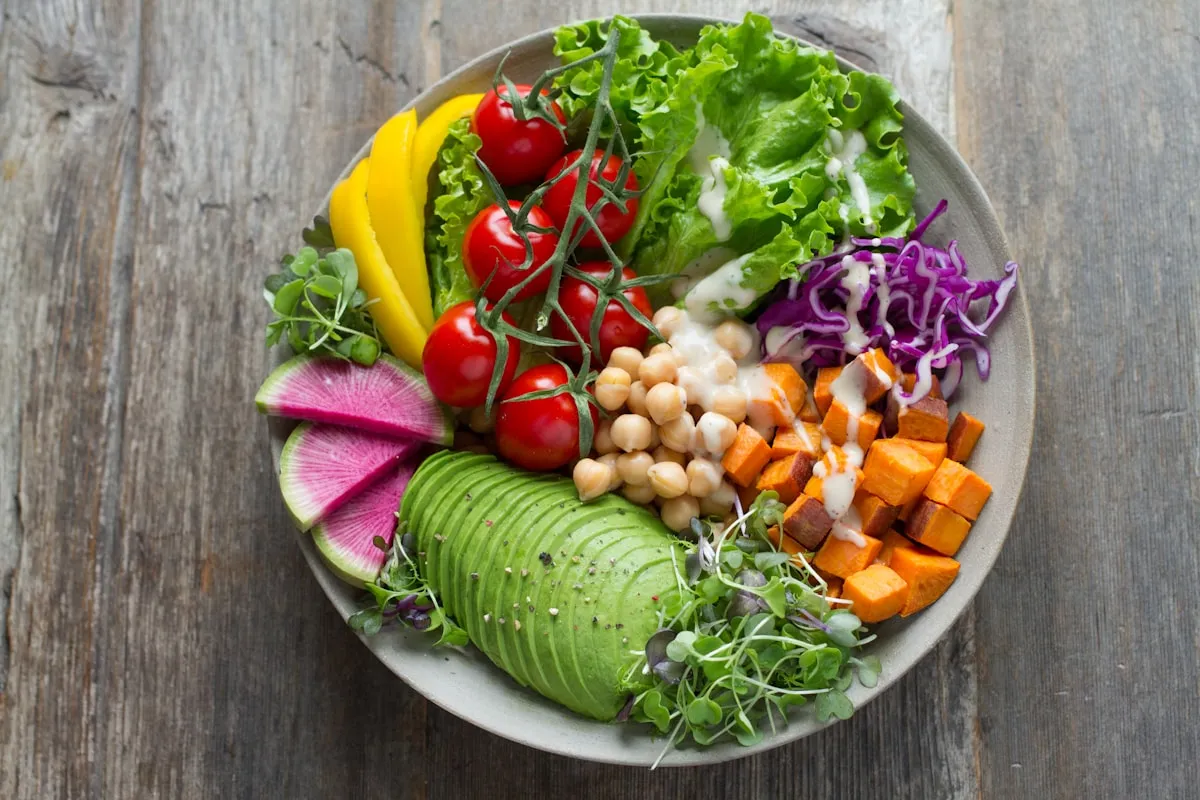
Use the pepper as both container and cooking ingredient
Bell peppers bring sweetness, freshness, and moisture. They are not just edible bowls wearing bright colors.
Baking softens their cell walls and concentrates their flavor. Covering them for part of the cooking time traps steam, which helps the thick walls become tender. Leaving them uncovered later allows excess moisture to escape and gives the edges a little more color.
Choose peppers that can sit steadily in the baking dish. If a half keeps tipping over, nestle it against another pepper rather than trimming away too much. A little structural support prevents the filling from sliding dramatically across the pan. The kitchen floor does not need a garnish.
For softer peppers, allow more time in the oven. For peppers with a slight bite, shorten the cooking time and keep the filling hot before it goes inside. The non-negotiable is this: make sure the pepper and filling finish at roughly the same temperature.
Keep the filling hearty, not watery
Black beans are already cooked, so the main goal is to warm them and manage their moisture. Drain them well, and rinse away excess canning liquid. Too much moisture creates a loose filling that leaks into the baking dish and leaves the pepper interior bland.
Sweet potatoes help absorb some of that moisture, while grains such as quinoa can add structure if you want a more substantial meal. Follow the same principle used in Cookpedia’s Quick Mediterranean Quinoa Bowl: properly cooked grains should be tender but not wet. Let them rest after cooking so internal steam finishes the job instead of turning your filling soggy.
Warm the beans with aromatics and spices before stuffing the peppers. This gives the flavors time to mingle and lets a little water evaporate. Do not drown the mixture in sauce. Add brightness at the end with lime or another acidic finish instead. Acid wakes up earthy beans and sweet vegetables without making the filling heavy.
Season in layers
Seasoning only the final filling is a common shortcut, and it usually produces a filling that tastes fine on top and flat underneath.
Add flavor as the components come together. Sweet potatoes need salt to sharpen their sweetness. Black beans benefit from earthy spices and aromatics. Peppers need enough seasoning to keep their natural sweetness from dominating. A final fresh, acidic note should arrive after the baking, when it can remain lively.
Use fat thoughtfully. A small amount helps carry fat-soluble flavor compounds from spices and improves the eating quality of roasted vegetables. It also helps the body absorb carotenoids found in orange sweet potatoes. You do not need a glossy coating; you need enough to encourage browning and distribute flavor.
Let texture do some of the work
A successful stuffed pepper should not be uniformly soft. Aim for tender pepper walls, creamy sweet potato, toothsome beans, and a little freshness from the topping.
Add crunch with toasted seeds, chopped nuts, or crisp vegetables. Add creaminess with avocado or a plant-based yogurt sauce. Add sharpness with lime, pickled onions, or a quick herb dressing. Balance matters more than adding another dozen seasonings.
For more simple inspiration, browse Cookpedia’s vegetarian dinner recipes and quick meals. Keep the same formula in mind: one satisfying base, one concentrated flavor, one fresh contrast.
Variations: Keep the Formula, Change the Personality
Turn the filling into a Southwestern-style bowl by adding cooked quinoa and a smoky chile profile. Quinoa contributes a pleasantly nutty texture and more protein, while black beans keep the center hearty. Serve the mixture over greens if you are short on time and do not want to bake peppers at all.
Swap bell peppers for poblanos when you want gentle heat and a more roasted, earthy flavor. Poblanos have thinner walls, so watch them closely and avoid overbaking. Their slight bitterness works especially well with the sweetness of the potato and the acidity of lime.
Make stuffed sweet potatoes instead when the peppers at the market look tired or expensive. Bake the potatoes whole until tender, split them, and fill them with the warm bean mixture. This version gives you a softer, more dramatic base and works beautifully for meal prep.
For a lighter variation, increase the pepper-to-filling ratio and serve smaller portions with a crisp salad. For a more substantial meal, fold in quinoa or another cooked grain. Need extra heat? Use sliced jalapeño or a smoky salsa. Prefer gentle family-friendly flavor? Keep the spice mild and put hot sauce on the table.
These are useful options when collecting healthy dinner ideas or planning quick family meals. Keep the balance intact, and the recipe can change costumes without losing its identity.
Side Dish Pairings: Add Freshness, Not More Weight
Pair stuffed peppers with something crisp and acidic. A simple arugula salad with cucumber, tomatoes, and red onion cuts through the soft, starchy filling and adds a fresh snap. Dress it lightly with citrus and herbs so the salad refreshes the plate rather than competing with the roasted vegetables.
A crunchy cabbage slaw also works well. Its texture stays lively beside the tender pepper, and a vinegar-based dressing balances the sweet potato. Add avocado if you want more creaminess, but skip a heavy creamy dressing unless you are deliberately making the meal richer.
For colder evenings, serve a small bowl of tomato soup alongside the peppers. Keep the soup bright and brothy rather than overly creamy. Cookpedia’s soup collection offers plenty of directions for that kind of pairing.
If you are searching for “air fryer recipes dinner” ideas, use air-fried vegetables as the side instead of another starch. Crisp broccoli, cauliflower, or green beans bring useful contrast with very little extra work.
FAQ: What If the Peppers, Filling, or Timing Go Wrong?
What if my stuffed peppers are watery?
Drain the beans thoroughly and let the cooked filling sit uncovered for a few minutes before stuffing. Watery peppers usually come from excess liquid rather than a mysterious kitchen failure. If the filling is already loose, warm it briefly in a skillet to evaporate moisture. Avoid adding more sauce until the texture is under control.
What if the peppers are still firm when the filling is hot?
Cover the baking dish and return it to the oven. Trapped steam softens the pepper walls faster than dry heat alone. Check them periodically rather than increasing the temperature aggressively, which can scorch the filling before the peppers become tender.
What if the sweet potatoes turn mushy?
Use larger pieces and avoid overcooking them before assembly. Sweet potatoes continue softening as the stuffed peppers bake, so remove them from their first cooking stage as soon as they are tender in the center. A little firmness is useful; the oven will finish the job.
Can I prepare this ahead of time?
Yes. Prepare the filling and cool it quickly, then refrigerate it in a covered container. Keep the pepper halves separate until you are ready to bake. This prevents the peppers from releasing moisture into the filling. Assemble and bake until the center is hot and the pepper walls are tender.
Can I freeze stuffed peppers?
Freeze them after baking once they have cooled completely. Wrap them well to limit ice crystals and freezer odors. Thaw them in the refrigerator for more even reheating. Expect the pepper texture to become softer after freezing, but the flavor will remain satisfying. Add fresh herbs or lime after reheating to restore brightness.
How can I make the meal more filling?
Add a cooked grain to the filling or serve the peppers with quinoa, brown rice, or a slice of crusty whole-grain bread. Beans already provide fiber and plant protein, while sweet potatoes provide slow-digesting carbohydrates and satisfying bulk. Increase the portion thoughtfully rather than simply adding more oil or sauce.
What if my family does not like black beans?
Replace them with pinto beans, lentils, or chickpeas. Choose a legume with enough structure to remain distinct after baking. If the flavor is the concern, use a familiar seasoning profile and offer toppings separately. Customization at the table is often easier than negotiating with a suspicious-looking pepper before dinner.
How do I keep the flavor from tasting bland?
Check three things: salt, acidity, and browning. Salt brings the ingredients into focus, roasted edges create depth, and citrus or vinegar prevents the sweet and earthy flavors from becoming dull. Add fresh toppings after baking instead of relying entirely on the oven. Heat builds flavor, but freshness finishes it.