Recipe
Servings
Servings 1×
Ingredients
- Chickpeas
- Pasta
- Apple
- Tomatoes
- Onion
- Lemon
- Mustard
- Cooking oil
- Chili seasoning
- Salt
Method
- Prepare the ingredients described in the article and heat the cooking surface or oven as directed.
- Cook the main ingredients using the heat and timing guidance in the article.
- Finish with the seasonings and garnishes named in the article, then serve.
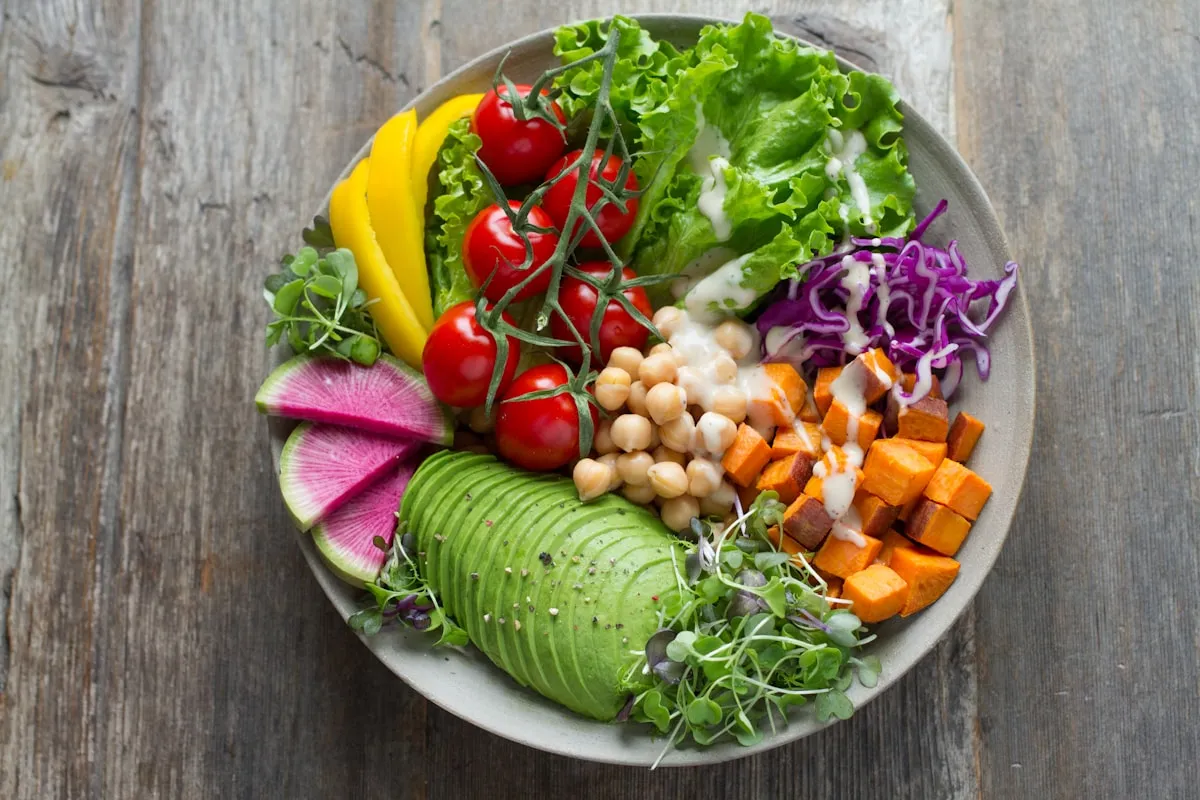
You are staring at a can of chickpeas. It is arguably the most efficient $0.89 you will ever spend in a grocery store. To the untrained eye, it is just a legume in brine. To you, it is a structural masterpiece of starch-protein matrices and cellulose ready to be engineered into a lunch that rivals any deli counter. This chickpea salad sandwich is the ultimate hack for your rotation of quick family meals, delivering a high-protein, fiber-dense payload with almost zero thermal energy required.
The Science of the "Flake": Cell Wall Disruption and Emulsion
The secret to a successful chickpea salad isn’t just the seasoning; it’s the mechanical manipulation of the Cicer arietinum (chickpea) microstructure. Unlike a smooth hummus where you aim for complete homogenization, a sandwich filling requires "structural flaking." When you press a fork or a potato masher into a chickpea, you aren't just squashing it; you are causing controlled cell wall disruption.
Chickpeas are composed of cotyledon cells packed with starch granules (amylose and amylopectin) and protein bodies, held together by a network of cellulose, hemicellulose, and pectic substances. By mashing them only partially, you rupture enough cell walls to release internal starches: which act as a natural binder: while leaving enough intact cell clusters to provide that characteristic "pop" and chew. This textural contrast is what mimics the mouthfeel of shredded poultry or flaked tuna.
Once you’ve achieved the perfect flake, you must address the lipid-to-acid ratio. The dressing is a classic oil-in-water emulsion. When you whisk together your creamy base (mayonnaise or a plant-based alternative) with an acid like lemon juice or apple cider vinegar, you are creating a vehicle for flavor delivery. Many of the aromatic compounds in celery, red onion, and fresh dill are lipophilic: meaning they dissolve and intensify in fats. The acid, meanwhile, performs a dual role: it brightens the overall flavor profile by lowering the pH and interacts with the chickpea proteins to prevent the mixture from feeling overly "mealy" or heavy on the palate.
If you are looking for healthy dinner ideas that don't involve a sink full of dishes, understanding this emulsion is key. A thicker, more viscous dressing (achieved by adding a touch of Dijon mustard, which contains natural emulsifiers like mucilage) will cling to the irregular surfaces of the mashed chickpeas rather than pooling at the bottom of the bowl. This ensures that every bite is chemically balanced, providing a consistent release of salt, acid, and aromatics.
Technical Variations: Maillard Reactions and Alkaloid Heat
While the classic "cold-prep" version is a staple, you can optimize the flavor profile through thermal intervention. If you are a fan of air fryer recipes dinner enthusiasts swear by, try tossing a handful of your chickpeas in the basket for five minutes before mashing. This triggers the Maillard reaction: a chemical dance between amino acids and reducing sugars: which adds a nutty, toasted complexity that raw canned chickpeas lack.
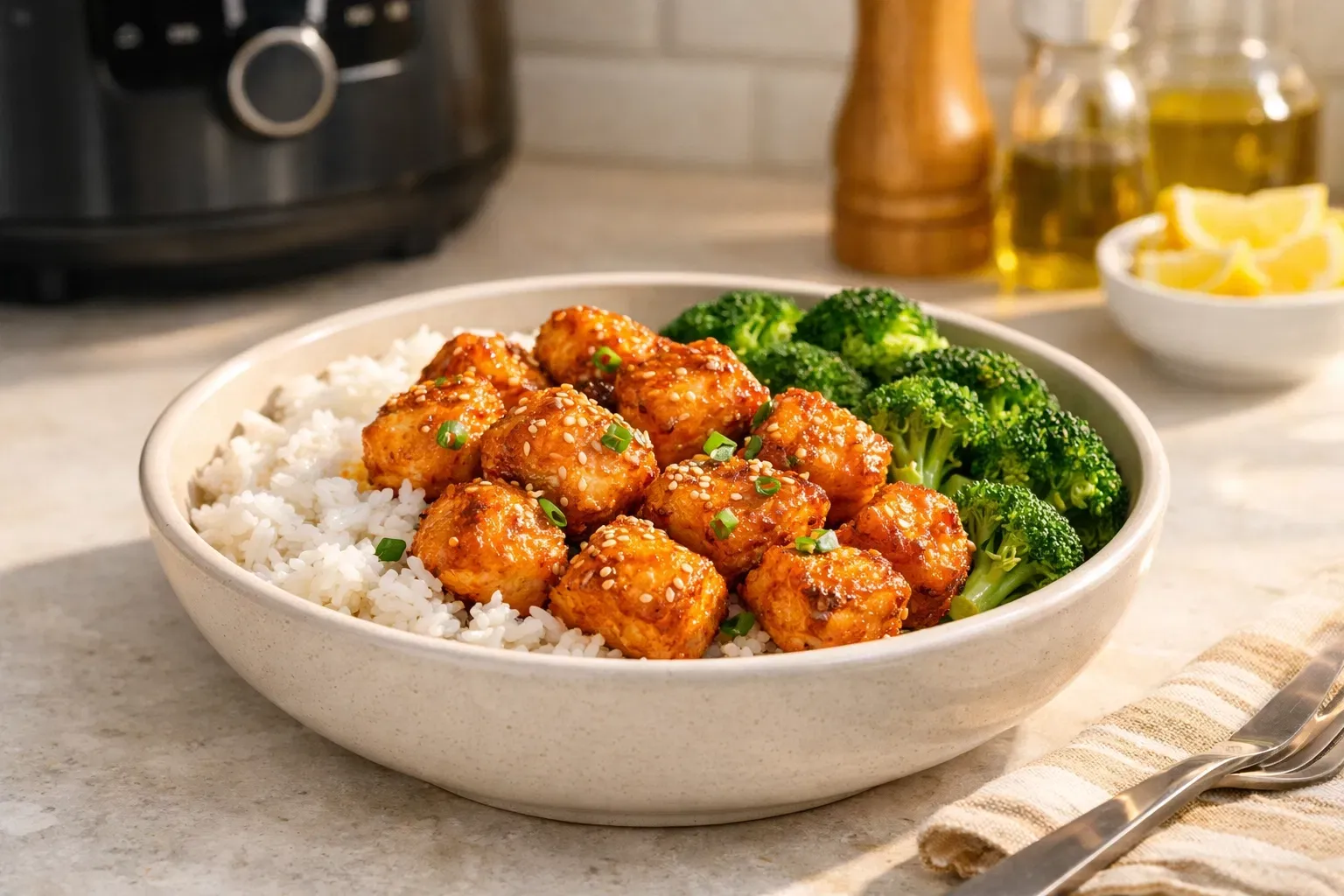
For a "Buffalo" variation, introduce capsaicin-rich hot sauce. Capsaicin interacts with the heat-sensing vanilloid receptors on your tongue, and because it is fat-soluble, the creamy dressing helps modulate that "burn" for a more sustained, pleasant heat. Alternatively, lean into the Mediterranean profile by adding sun-dried tomatoes and kalamata olives. The high concentration of glutamate in these ingredients provides a savory "umami" punch that rounds out the earthy notes of the legumes. You can even apply the same glossy sauce techniques we use in pasta to your salad by adding a teaspoon of the chickpea canning liquid (aquafaba). The proteins in the aquafaba help bind the fats in the mayo more tightly to the chickpeas, creating a luxuriously cohesive filling.
Side Dish Pairings: Balancing the Starch-Protein Matrix
Because the chickpea salad is structurally dense and rich in complex carbohydrates, your side dishes should focus on high-moisture, high-acidity "contrast agents." This is a fundamental principle of quick family meals: balance the heavy with the light to prevent "palate fatigue."
A crisp arugula salad with a sharp vinaigrette is a non-negotiable partner here. The bitter glucosinolates in the arugula cut right through the creamy lipid profile of the sandwich. Alternatively, quick-pickled cucumbers or red onions provide an acetic acid hit that "resets" your taste buds between bites. If you want to lean into the healthy dinner ideas theme, serve the salad inside large romaine lettuce leaves instead of bread. The high water content and "crunch" of the lettuce provide a physical contrast to the soft, mealy texture of the mashed chickpeas, making the meal feel lighter and more refreshing.
FAQ: Troubleshooting Your Legume Engineering
Why does my chickpea salad taste "beany" or metallic?
This is usually caused by residual saponins and metallic salts from the canning process. Always rinse your chickpeas under cold, high-pressure water for at least 30 seconds. This removes the "beany" liquid and reduces the sodium content, giving you a clean slate for your flavor profile.
Can I use an air fryer to toast the sandwich?
Absolutely. Utilizing air fryer recipes dinner techniques for your bread is a game-changer. Air-frying the assembled sandwich at 375°F for 3 minutes creates a crisp, dehydrated exterior (thanks to rapid moisture evaporation) while keeping the chickpea filling cool and creamy inside. It’s a study in thermal gradients.
My salad is too dry the next day. What happened?
The starch granules in the chickpeas are hygroscopic: they love to soak up water. Over time, they will pull moisture out of your dressing, leading to a dry texture. To fix this, simply fold in a tablespoon of Greek yogurt or a squeeze of lemon juice right before serving to re-hydrate the emulsion.
Is it safe to store the salad for a long time?
From a food safety perspective, the high moisture and protein content make this a prime environment for microbial activity. Keep it refrigerated and consume within 3 to 4 days. The acidity from the lemon juice or vinegar helps lower the pH, which can slightly inhibit bacterial growth, but it isn’t a substitute for proper temperature control.
Why are my chickpeas still hard even after mashing?
If you are using dried chickpeas that you boiled yourself, they likely didn't reach full gelatinization. This often happens if they were cooked in "hard" water (high in calcium and magnesium), which prevents the pectins in the cell walls from softening. Next time, add a pinch of baking soda to the cooking water to raise the pH and speed up the breakdown of those stubborn hemicelluloses.