Recipe
Servings
Servings 1×
Ingredients
- Chicken
- Tofu
- Lentils
- Chickpeas
- Black beans
- Beans
- Pasta
- Rice
- Eggs
- Potatoes
- Carrots
- Spinach
- Greens
- Peas
- Onion
- Garlic
- Lime
- Cream
Method
- Let’s be real: walking down the grocery aisle in 2026 feels a bit like a high-stakes heist, but you’re the one being robbed.
- Use your freezer as a strategic weapon.
- Toss them in a bit of oil and salt and roast them until the edges are caramelized.
Let’s be real: walking down the grocery aisle in 2026 feels a bit like a high-stakes heist, but you’re the one being robbed. Between the rising cost of eggs and the luxury-item pricing of a head of lettuce, your wallet is feeling the squeeze. But here’s the good news: my blog is built on the belief that flavor doesn’t have a tax. You can absolutely eat like royalty on a pauper’s budget. I’ve rounded up fifteen incredible recipes that prove a five-dollar bill can still go a very long way in the kitchen.
The Science of Savvy Sustenance: Tips & Technique
Cooking on a budget isn't just about finding the cheapest ingredients; it’s about understanding the "why" behind flavor and shelf life. If you want to survive the current economic climate without living on bland crackers, you need to master a few fundamental techniques.
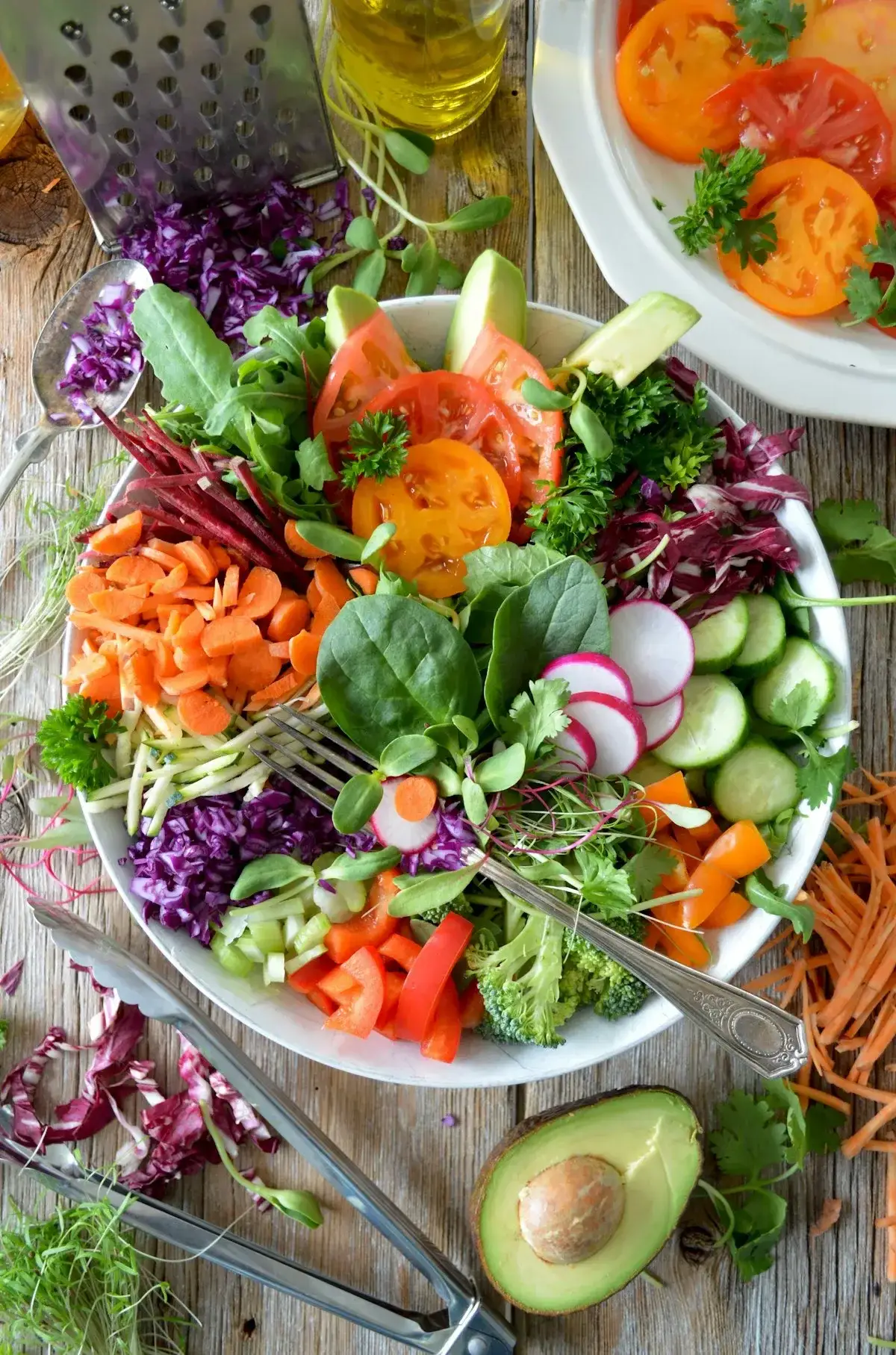
First, focus on the "Maillard reaction" to maximize the flavor of low-cost proteins like lentils, beans, and tofu. When you sear these items at high heat, the amino acids and sugars rearrange to create that savory, umami-rich crust. Don’t just boil your beans; sauté them with a bit of oil and garlic until they slightly pop. This creates a depth of flavor that mimics more expensive meats.
Use your freezer as a strategic weapon. Frozen vegetables are picked at peak ripeness and flash-frozen, preserving nutrients and texture better than "fresh" produce that has spent two weeks on a truck. For those looking for healthy dinner ideas, a bag of frozen spinach or peas is your best friend. They add bulk and vitamins to any dish for a fraction of the cost of fresh bunches.
Embrace the power of dry goods. Dried beans and grains are the bedrock of budget cooking because they are shelf-stable and dirt cheap. The secret to making them delicious is "layering." Season your cooking water with salt, a bay leaf, or even a few leftover onion skins. This infuses the grain from the inside out. Stop viewing rice as a side dish and start seeing it as a canvas. When you treat your staples with respect, they stop feeling like "struggle food" and start feeling like a choice.
Check your pantry for "flavor anchors." Things like soy sauce, vinegar, and dried spices have a high upfront cost but a very low cost-per-use. A single tablespoon of soy sauce can transform a bowl of plain rice and eggs into a gourmet meal. Avoid buying pre-mixed spice blends; they are overpriced and often filled with salt. Instead, buy individual spices in bulk and mix them yourself.
Finally, manage your heat. Overcooking is the quickest way to ruin cheap ingredients. For example, if you are looking for quick family meals, don’t let your pasta sit in the water until it's mush. Pull it out two minutes early and let it finish cooking in your sauce. This allows the starch to bond with the fats in the sauce, creating a silky texture that feels expensive without the heavy cream price tag.
Stretching the Dollar: Variations and Swaps
One of the best ways to keep your food costs down is to master the art of the swap. If a recipe calls for chicken breast, use thighs, they’re cheaper and have more fat, which translates to better flavor and a more forgiving cooking process. If you’re leaning into a plant-based lifestyle, firm tofu is a fantastic substitute for almost any protein.
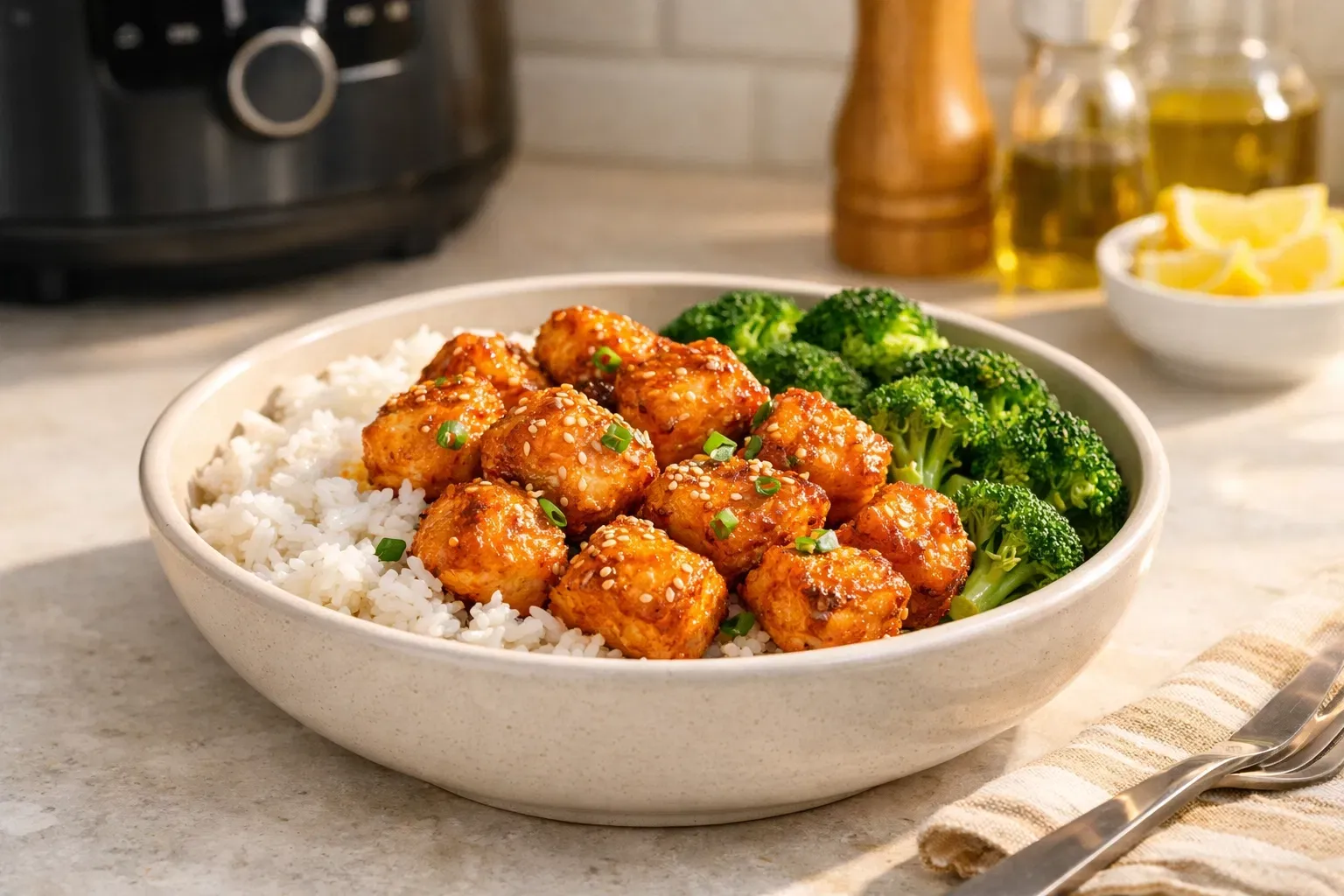
For those who love air fryer recipes dinner options, consider using it for more than just frozen fries. You can roast chickpeas until they are crunchy snacks or air-fry blocks of seasoned tofu to get a texture that rivals fried chicken. This technique uses less oil and takes half the time of a traditional oven, saving you money on both ingredients and energy bills.
If you find a recipe that calls for expensive fresh herbs like cilantro or basil, don’t panic. While fresh is lovely, a squeeze of lime juice or a dash of high-quality vinegar can often provide that necessary hit of acidity for a much lower price. Switch out high-end cheeses like Parmigiano-Reggiano for a sharp white cheddar or even nutritional yeast if you’re going dairy-free. The goal is to match the "profile" (salty, acidic, or fatty) rather than the exact ingredient.
Balancing the Plate: Side Dish Pairings
A $5 main dish can feel like a feast if you pair it correctly. The key here is balance. If you’re serving something heavy and earthy, like a lentil stew or a bean-heavy pasta, you need acidity and crunch to cut through the richness.
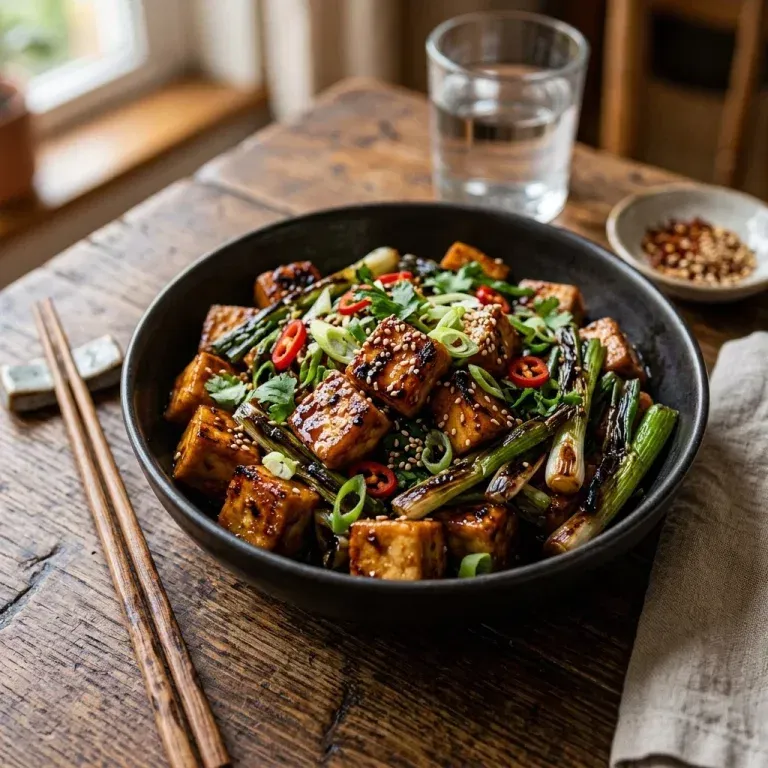
Consider a simple slaw made from shredded cabbage, cabbage is one of the cheapest vegetables per pound and stays crunchy for days. Dress it with a little vinegar, salt, and a pinch of sugar. It’s the perfect companion for quick family meals like black bean quesadillas or egg fried rice.
Alternatively, roasted root vegetables are a fantastic way to fill up the plate. Carrots and potatoes are incredibly inexpensive. Toss them in a bit of oil and salt and roast them until the edges are caramelized. This adds a sweetness that balances out savory or spicy mains. If you’re looking for healthy dinner ideas that don't feel like a sacrifice, these simple, whole-food sides are your path to success. Avoid the pre-bagged salads; they are marked up significantly. Buy a whole head of lettuce or cabbage and do the chopping yourself, it takes three minutes and saves you three dollars.
Frequently Asked Questions: The Science of Savings
What if my beans are still tough after hours of cooking?
This is usually caused by "hard water" or old beans. The minerals in hard water can prevent the bean skins from softening. To fix this, add a tiny pinch of baking soda to the soaking water. The alkalinity helps break down the pectin in the bean skins, ensuring a creamy interior every time. Also, never add salt or acidic ingredients (like tomatoes) until the beans are fully tender, as these can toughen the skins prematurely.
Can I really get crispy results with air fryer recipes dinner without using a ton of oil?
Yes, but you have to understand airflow. Do not crowd the basket. If the air can’t circulate around the food, it will steam instead of crisp. Use a light spray of oil rather than a heavy pour. The high-velocity air in the fryer will distribute that tiny amount of fat perfectly, giving you that crunch you crave for a fraction of the calories and cost.
How do I stop my rice from getting mushy?
Wash your rice! Rinsing the rice removes excess surface starch that causes clumping and gumminess. Rinse until the water runs clear. Also, use the "knuckle method" or a strict 1:1.5 ratio of rice to water. Once the water boils, turn the heat to the lowest setting and leave the lid on. Do not peek. The steam is what does the work, and letting it out ruins the texture.
Is it actually cheaper to buy whole chickens?
Absolutely. Learning to break down a chicken is a vital skill. You get two breasts, two thighs, two wings, and two drumsticks for much less than the price of buying those parts individually. Plus, you get the carcass, which you should never throw away. Simmer it with some vegetable scraps to make a rich, free bone broth that serves as the base for your next week of soups.
How can I make healthy dinner ideas feel more filling?
Focus on fiber and healthy fats. Fiber from beans, lentils, and whole grains keeps you full longer by slowing down digestion. A small drizzle of olive oil or a few slices of avocado at the end of a meal can trigger the "fullness" hormones in your brain. It’s not about the volume of food, but the density of the nutrients.
{“@type”:”BlogPosting”,”image”:”https://cdn.marblism.com/Fn4if9t6I71.webp”,”author”:{“name”:”Penny”,”@type”:”Person”},”faqPage”:{“@type”:”FAQPage”,”@context”:”https://schema.org”,”mainEntity”:[{“name”:”What if my beans are still tough after hours of cooking?”,”@type”:”Question”,”acceptedAnswer”:{“text”:”This is usually caused by hard water or old beans. Add a pinch of baking soda to the soaking water to help break down the pectin in the skins. Avoid adding salt or acid until the beans are tender.”,”@type”:”Answer”}},{“name”:”Can I really get crispy results with air fryer recipes dinner without using a ton of oil?”,”@type”:”Question”,”acceptedAnswer”:{“text”:”Yes, by ensuring proper airflow. Do not crowd the basket and use a light spray of oil to allow the high-velocity air to crisp the surface.”,”@type”:”Answer”}},{“name”:”How do I stop my rice from getting mushy?”,”@type”:”Question”,”acceptedAnswer”:{“text”:”Rinse the rice thoroughly to remove surface starch and use a strict water-to-rice ratio. Keep the lid on to allow the steam to cook the grains evenly.”,”@type”:”Answer”}}]},”@context”:”https://schema.org”,”headline”:”Beat 2026 Grocery Inflation with These 15 Budget-Friendly Recipes That Start at $5″,”publisher”:{“logo”:{“url”:”https://cookpedia.com/logo.png”,”@type”:”ImageObject”},”name”:”Cookpedia”,”@type”:”Organization”},”description”:”Discover 15 budget-friendly recipes and cooking techniques to beat grocery inflation in 2026. Learn how to cook healthy, flavorful meals for under $5.”,”datePublished”:”2026-07-15″,”mainEntityOfPage”:{“@id”:”https://cookpedia.com/beat-2026-grocery-inflation”,”@type”:”WebPage”}}