Recipe
Servings
Servings 1×
Ingredients
- Tofu
- Chickpeas
- Pasta
- Bread
- Potatoes
- Cauliflower
- Zucchini
- Mushrooms
- Onion
- Garlic
- Lemon
- Tahini
- Cooking oil
- Black pepper
Method
- Use a heavy-bottomed pot to ensure even heat distribution and avoid hot spots that can scorch your delicate vegetables.
- Keep the heat medium-low and only bloom for about 30 to 60 seconds before adding your liquids to "quench" the heat.
- Mix in some crushed Aleppo pepper or a dollop of Harissa paste.
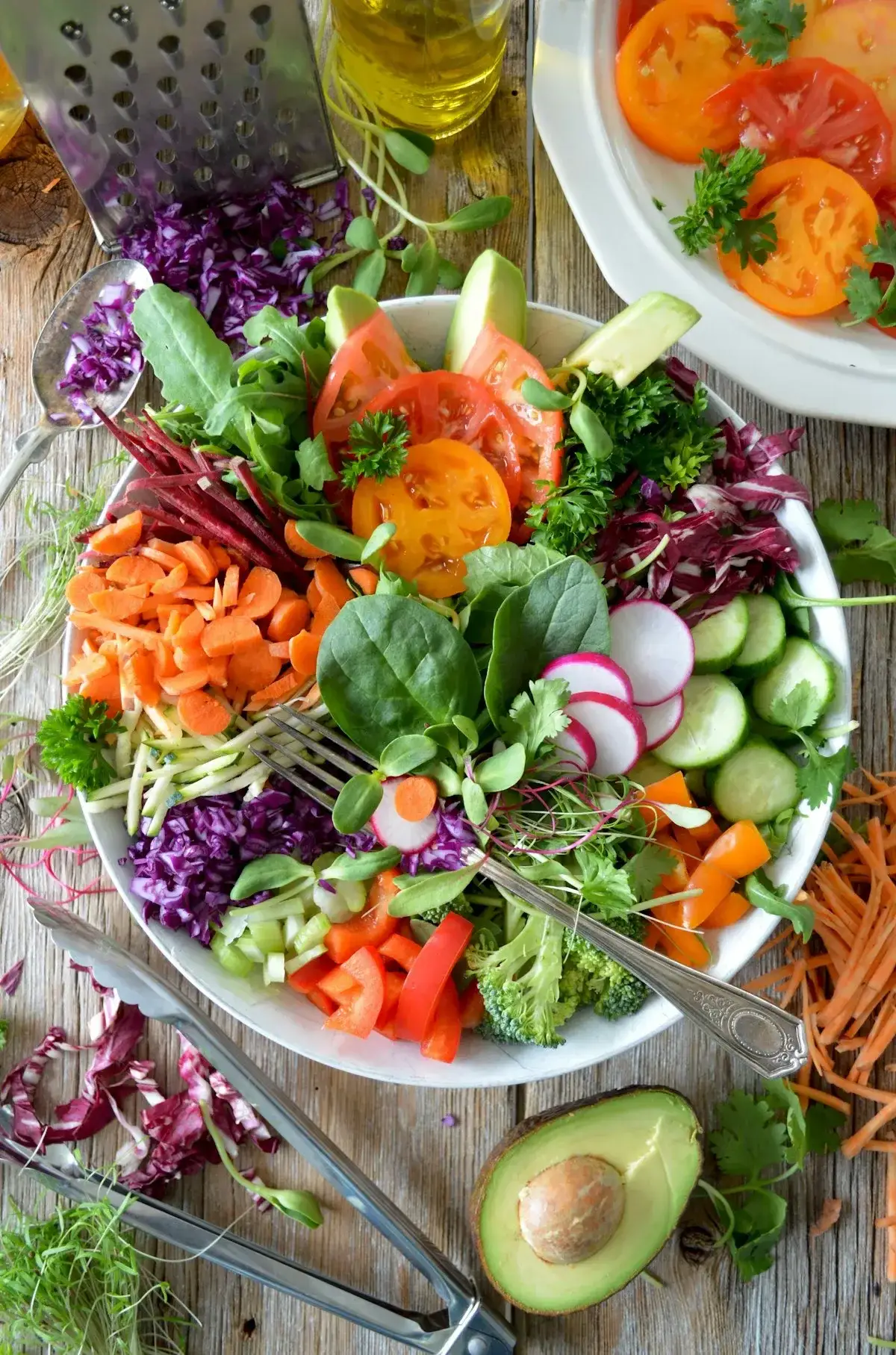
Forget everything you think you know about goulash being a meat-heavy, all-day affair. My one-pot vegetarian goulash is here to prove that you can achieve that same soul-warming, deep complexity without the butcher’s bill or the four-hour simmer. This is the ultimate "set it and almost forget it" meal that fits perfectly into your rotation of healthy dinner ideas. It’s thick, smoky, and packs enough umami punch to satisfy even the most dedicated carnivore in your life.
The Alchemy of One-Pot Cooking: Science and Technique
The secret to a world-class vegetarian goulash lies in chemistry, specifically how you manage the Maillard reaction and starch gelatinization. When you’re making quick family meals, the temptation is to dump everything in at once. Resist that urge. You need to build layers of flavor starting with the aromatics.
Sauté your mushrooms and onions with intent. Mushrooms are sponges of umami, containing high levels of glutamate. To unlock their potential, you must drive off their water content until they begin to brown. This browning, the Maillard reaction, creates hundreds of new flavor compounds that give the stew its "meaty" backbone. Use a heavy-bottomed pot to ensure even heat distribution and avoid hot spots that can scorch your delicate vegetables.
The thickening of the sauce doesn't come from a heavy roux but from the controlled release of starches. If you’re using potatoes or a bit of pasta, the starch granules swell as they absorb the cooking liquid. Once they reach a specific temperature (around 140°F to 160°F), these granules burst, releasing amylose and amylopectin into the sauce. This process, known as starch gelatinization, creates that velvety, lip-smacking texture we crave. Check your heat frequently; a gentle simmer is your best friend here. Too high, and the starches break down too quickly, leaving you with a grainy mess rather than a smooth sauce.
Paprika: More Than Just Color
In a traditional goulash, paprika isn't just a garnish; it’s the structural foundation. However, many home cooks treat it like a dry seasoning added at the end. To truly unlock the spice, you must perform what’s known as "blooming."
Paprika contains fat-soluble carotenoids. When you stir your paprika into the hot oil along with your softened aromatics, these flavor and color compounds dissolve into the fat. This distributes the flavor more evenly throughout the entire pot. Be careful, though, paprika has a high sugar content and can burn in seconds, turning bitter. Keep the heat medium-low and only bloom for about 30 to 60 seconds before adding your liquids to "quench" the heat. This technique is a non-negotiable step if you want that vibrant, deep-red hue and smoky depth.
Creative Variations for Your Kitchen
The beauty of this dish is its versatility. While the base usually relies on root vegetables and peppers, you can easily pivot based on what's in your pantry. If you want to increase the protein density without meat, consider adding smoked tofu or hearty chickpeas. The smoked tofu adds an extra layer of "wood-fire" flavor that mimics traditional bacon bits found in some regional goulash variations.
For those who love heat, don't just add more paprika. Mix in some crushed Aleppo pepper or a dollop of Harissa paste. The acidity in Harissa cuts through the richness of the potato starch beautifully. If you're looking for even more quick family meals that use similar flavor profiles, you might enjoy our air fryer sausage and pepper medley. You can even experiment with adding roasted cauliflower for a nutty, sulfurous edge that mimics the bite of traditional goulash meat.
Perfect Pairings to Balance the Bowl
A heavy, starch-rich stew needs a partner that brings acidity and crunch to the table. A thick slice of crusty sourdough is the classic choice, serving as the perfect vessel to mop up every last drop of that paprika-infused sauce. The lactic acid in the sourdough provides a sharp contrast to the earthy, sweet notes of the goulash.
If you’re looking for a lighter side, a simple arugula salad with a lemon-tahini dressing works wonders. The bitterness of the greens resets your palate between bites. For a bit of textural fun, consider making homemade croutons. While this post is about a one-pot meal, we often find that air fryer recipes dinner enthusiasts love to use their air fryer to crisp up bread cubes with garlic and herbs while the goulash simmers on the stove. It’s a low-effort way to add a premium feel to a simple weeknight dinner.
Goulash Masterclass: Your Questions Answered
Why is my goulash sauce too thin?
This usually happens if there wasn't enough starch released or if you added too much liquid initially. Remember, vegetables like zucchini or mushrooms release a lot of water as they cook. To fix a thin sauce, you can mash a few of the cooked potatoes directly into the pot. Their released starch will act as a natural thickener without changing the flavor profile. Alternatively, simmer with the lid off for the last 10 minutes to encourage evaporation and concentration of flavors.
Can I make this in advance?
Actually, I recommend it. Goulash is one of those rare dishes that tastes significantly better the next day. As it sits, the flavors continue to meld through a process called molecular diffusion. The spices penetrate the vegetables more deeply, and the starches stabilize the sauce. Just be sure to reheat it gently on the stove; microwaving can sometimes cause the potato chunks to become mealy.
What is the best type of paprika to use?
Do not settle for the generic "paprika" tin that’s been in your cabinet since the late 90s. For this recipe, you want high-quality Hungarian Sweet Paprika or Smoked Spanish Pimentón. The Hungarian version is focused on a deep, fruity sweetness, while the Spanish version brings that iconic wood-smoke aroma. Using both in a 50/50 split is often the "sweet spot" for a complex, professional-tasting result.
Is this considered a healthy dinner idea?
Absolutely. By removing the fatty meats usually found in goulash and replacing them with fiber-rich vegetables and plant-based proteins, you’re creating a nutrient-dense, low-saturated-fat meal. It’s high in Vitamin C from the peppers and potassium from the potatoes, making it a stellar choice for anyone looking for healthy dinner ideas that don't sacrifice flavor.
Can I freeze the leftovers?
Yes, but with a caveat. Potatoes can sometimes change texture when frozen and thawed, becoming slightly spongy. If you plan on freezing a large batch, consider undercooking the potatoes slightly so they maintain their structural integrity during the reheating process. The sauce itself freezes beautifully and will keep for up to three months.