Recipe
Servings
Servings 1×
Ingredients
- Quinoa
- Rice
- Lemon
- Lime
- Tahini
- Cooking oil
- Chili seasoning
Method
- Prepare the ingredients described in the article and heat the cooking surface or oven as directed.
- Cook the main ingredients using the heat and timing guidance in the article.
- Finish with the seasonings and garnishes named in the article, then serve.
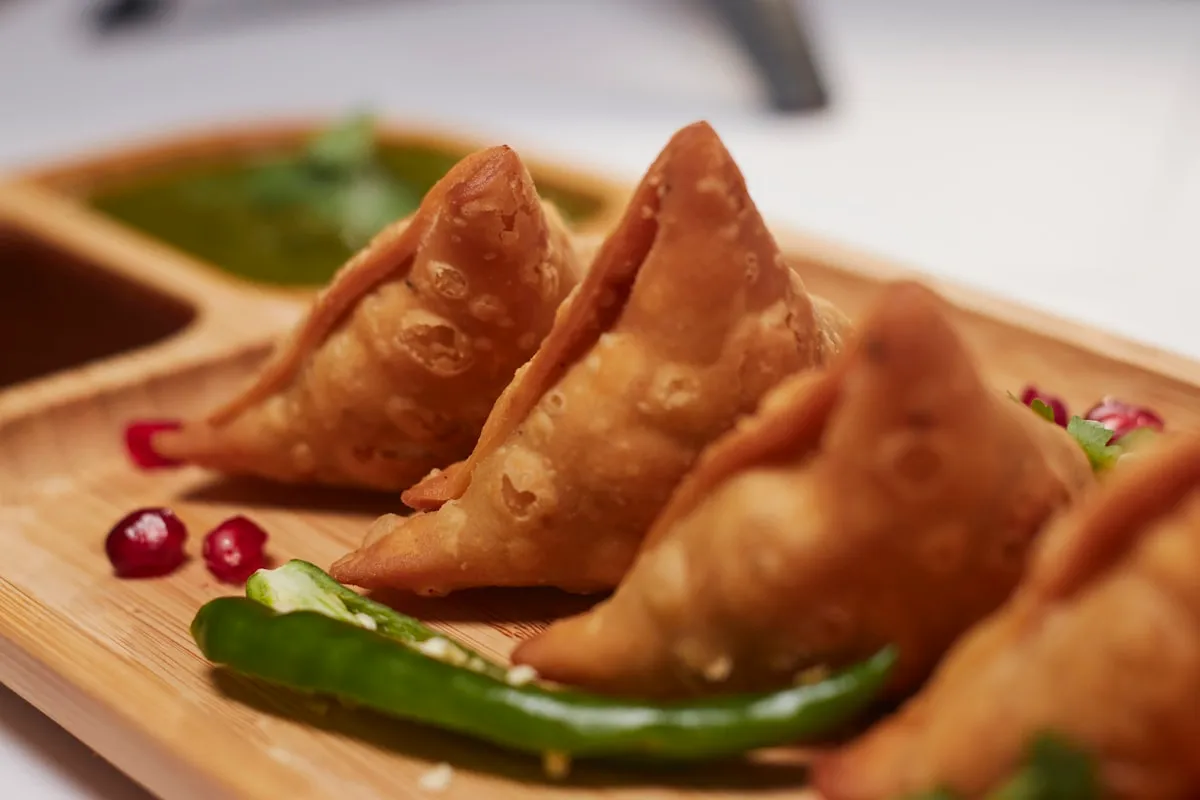
If you’ve ever felt like eggplant is the high-maintenance drama queen of the vegetable drawer, you aren't alone. It’s either a greasy sponge or a flavorless block of styrofoam. But when you introduce it to the concentrated heat of an air fryer and the fermented magic of miso, it undergoes a personality shift that is nothing short of miraculous. This isn't just another side dish; it’s a masterclass in texture and umami that will make you wonder why you ever bothered with a traditional oven.
The Physics of the "Sponge" and Convection
To understand why air frying is the superior method for eggplant, you have to understand the eggplant's internal structure. Under a microscope, eggplant flesh looks remarkably like a sponge, it's filled with tiny air pockets. In a traditional pan-fry, those pockets immediately collapse and suck up oil like it’s their job. In an air fryer, we use high-velocity convection to our advantage.
By scoring the flesh in a cross-hatch pattern, you are essentially increasing the surface area for heat to attack. This allows the hot air to penetrate deep into the center of the vegetable, evaporating moisture from the inside out before the structure can collapse into a mushy mess. Much like when I talk about the science behind air fryer brussels sprouts, the goal here is a rapid moisture reduction that leaves the fibers tender but intact.
Apply a thin, even layer of oil to the flesh before the initial roast. This isn't just for flavor; oil is a superior heat conductor compared to air. It helps jumpstart the Maillard reaction, the chemical reaction between amino acids and reducing sugars that gives browned food its distinctive flavor. Because miso is a fermented product packed with proteins and sugars, it is a Maillard powerhouse. However, because those sugars burn easily, timing is everything. You must roast the eggplant until it is nearly soft before applying the glaze. If you glaze too early, you'll end up with a charred, bitter exterior and a raw, spongy interior. This two-stage approach is the secret to successful quick family meals that don't taste like they were rushed.
Flavor Variations and Global Profiles
While the classic sweet-salty miso glaze is a winner, don't feel boxed in. The structure of this dish allows for a variety of "umami boosters." If you want to lean into more heat, whisk a spoonful of chili crisp or gochujang into your miso mixture. The capsaicin adds a sharp contrast to the creamy texture of the roasted eggplant.
For a brighter, more acidic profile, incorporate yuzu juice or lime zest. This acidity is crucial for cutting through the richness of the miso paste. You can also experiment with the type of miso used. White miso (Shiro) is milder and sweeter, perfect for a subtle glaze, while red miso (Aka) has been fermented longer and offers a much deeper, saltier punch. If you’re looking for healthy dinner ideas that feel indulgent, try topping the finished eggplant with crushed toasted walnuts or even a drizzle of tahini to double down on the earthy notes.
Balancing the Plate: Pairings
Miso-glazed eggplant is incredibly rich and savory, so your side dishes need to provide a counterpoint. Think of it as a culinary seesaw. You want something light and refreshing to reset your palate between bites.
- Acidic Greens: A simple arugula salad with a lemon-heavy vinaigrette is a perfect partner. Check out my guide on the zesty arugula salad for tips on achieving that perfect brightness.
- Starchy Bases: Steamed jasmine rice or quinoa acts as a blank canvas for any extra glaze that drips off the eggplant. It also provides a structural contrast to the soft, buttery vegetable.
- Pickled Elements: Quick-pickled cucumbers or radishes offer a sharp crunch and a vinegar hit that slices right through the dense umami of the miso.
This balance is what elevates a simple vegetable from a side thought to the star of your air fryer recipes dinner rotation.
Frequently Asked Questions
Why did my miso glaze burn?
Miso contains a high concentration of sugars and proteins. In the high-heat environment of an air fryer, these will carbonize quickly. If your glaze is turning black before the eggplant is soft, you likely applied it too early or your temperature is too high. Always roast the eggplant solo for the first 10-15 minutes to allow the structure to soften before introducing the sugars of the glaze for a final 3-5 minute blast.
Do I need to salt the eggplant first to draw out moisture?
For air frying, this step is often optional but recommended if you have the time. Salting draws out the liquid from the cells through osmosis, making the eggplant less "spongy" and helping it brown more effectively. If you do salt it, make sure to pat the eggplant completely dry before oiling; excess surface moisture is the enemy of a good crust.
Can I use the large "Globe" eggplants?
Yes, but you’ll need to adjust your timing. Larger eggplants have a higher moisture-to-flesh ratio and thicker skin. I recommend cutting them into thick rounds or "steaks" rather than halves. This ensures the heat can reach the center without the outside turning into leather.
Is the skin edible?
Absolutely! In the air fryer, the skin becomes slightly chewy and holds the whole thing together. However, if you find the skin of older, larger eggplants too bitter, you can peel strips away to create a "zebra" pattern, which leaves enough skin for structural integrity while reducing the bitterness.
How do I store leftovers?
Store them in an airtight container for up to two days. To reheat, avoid the microwave at all costs: it will turn your beautiful creation into a soggy sponge. Instead, pop them back into the air fryer for 3 minutes at a lower temperature to revive the glaze and firm up the flesh.