Recipe
Servings
4 servings 1×
Serves 4Prep 10 minCook 8 minTotal 18 min
Nutrition per serving
Ingredients
- 1 lb large shrimp peeled and deveined
- 5 cup cornstarch for the moisture-wicking barrier
- 1 spray avocado oil high smoke point
- 5 cup mayonnaise fat-in-water emulsion base
- 1 tbsp sriracha for heat
- 2 tbsp sweet chili sauce for sweetness
Method
- Pat the shrimp bone-dry with paper towels.
- Toss them in cornstarch until evenly coated, shaking off any excess powder.
- Place shrimp in a single layer in the air fryer basket.
- Mist generously with oil.
- Cook at 400°F for 8 minutes, shaking halfway through.
- Whisk the mayonnaise, sriracha, and sweet chili sauce until smooth and glossy.
- Toss the hot crispy shrimp into the bowl with the sauce.
- Coat thoroughly and serve immediately.
If you haven’t yet succumbed to the cult of the air fryer, my Bang Bang shrimp is about to be your gateway drug. It’s the ultimate “fake-out takeaway”, that legendary spicy, creamy, crispy appetizer that usually requires a deep fryer and a prayer for your cholesterol levels. By moving this operation to the air fryer, we aren’t just saving on calories; we’re gaining precision. It’s one of those air fryer recipes dinner guests will swear came from a professional kitchen, and today, I’m pulling back the curtain on why it actually works.
The Science of Crunch and Chemistry
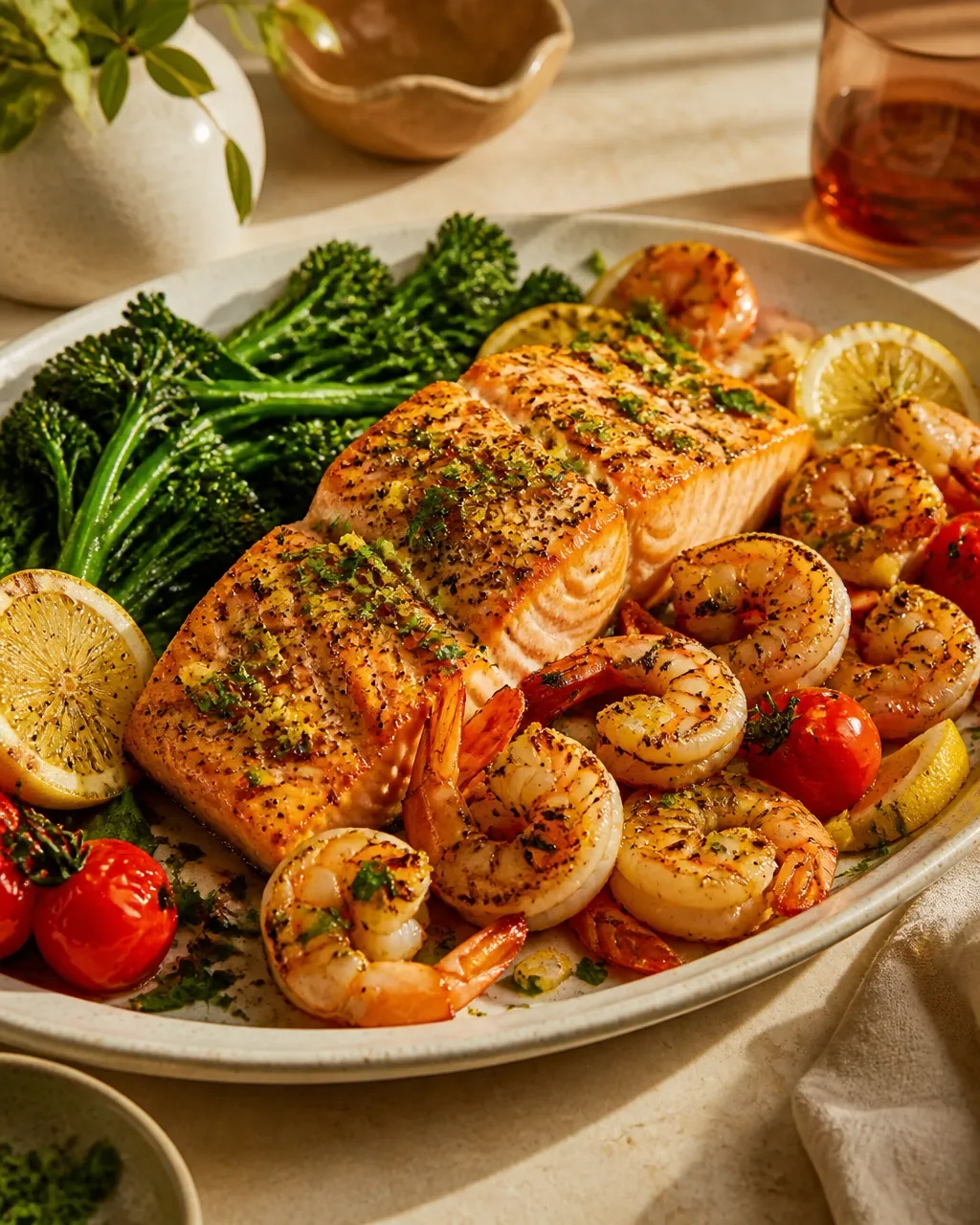
Achieving a restaurant-grade crunch without a vat of bubbling oil requires an understanding of starch gelatinization. When you coat your shrimp in cornstarch, you aren’t just making a mess of your countertop. You are creating a moisture-wicking barrier. Cornstarch is a pure starch, unlike flour which contains protein (gluten). When the air fryer’s heating element kicks in, the cornstarch granules absorb the surface moisture of the shrimp and swell, a process called gelatinization. As the temperature climbs past 300°F, that moisture evaporates, leaving behind a rigid, glass-like matrix that stays crunchy even after being tossed in a heavy sauce.
Manage your heat with intent. Use a high temperature, typically around 400°F, to trigger the Maillard reaction quickly. This is the chemical reaction between amino acids and reducing sugars that gives browned food its distinctive flavor. Because shrimp cook in a heartbeat, you need that exterior to dehydrate and brown before the interior turns into rubber. Avoid the temptation to turn the heat down; low heat is the enemy of the “bang.”
Airflow is your secondary commander in this kitchen war. Your air fryer is essentially a high-powered convection oven, a literal wind tunnel for hot air. If you crowd the basket, you create “dead zones” where air cannot circulate. Instead of crispy shrimp, you’ll end up with a soggy, steamed pile of regret. Lay your shrimp in a single layer with clear space between each one. If you have to cook in batches, do it. Patience is the price of perfection.
Now, let’s talk about that iconic sauce. Bang Bang sauce is a masterclass in emulsification. You are combining mayonnaise (a fat-in-water emulsion) with acidic sriracha and sugary sweet chili sauce. Use a whisk to combine these ingredients. The lecithin in the mayonnaise acts as an emulsifier, binding the spicy and sweet liquids into a stable, creamy coating. If you just stir it lazily with a spoon, the sauce may “break” or slide off the shrimp rather than clinging to every crispy crevice. Check your emulsion’s stability before tossing; it should be thick, glossy, and uniform.
Elevating Your Bang Bang Variations
Once you’ve mastered the classic, don’t stop there. This technique is a cornerstone for many quick family meals because it is so adaptable. For a plant-based twist, swap the shrimp for cauliflower florets or firm tofu cubes. The cornstarch method remains the same, but you’ll need to extend the cooking time to ensure the vegetables or tofu are fully tender inside. Tofu, in particular, benefits from an extra spray of oil to help that starch “fry” in the air.
For the spice-seekers, experiment with your emulsion. Swap sriracha for Gochujang to add a fermented, earthy depth, or add a teaspoon of lime zest to cut through the richness of the mayo. If you are looking for healthy dinner ideas that fit a keto lifestyle, replace the sweet chili sauce with a sugar-free alternative and use a keto-friendly mayonnaise. The structural integrity of the dish remains the same, but the nutritional profile shifts to suit your needs. You can even try a “Bang Bang Chicken” version using bite-sized breast pieces, which are a massive hit for weeknight dinners.
Side Dish Pairings for a Balanced Plate
Since the shrimp are rich, creamy, and spicy, your side dishes need to provide a counterpoint of freshness and acidity. A simple, bright slaw made with shredded cabbage, cilantro, and a rice vinegar dressing is non-negotiable. The acidity of the vinegar cuts directly through the fat of the mayo, resetting your palate between every bite.
For a more substantial meal, serve the shrimp over a bed of fluffy jasmine rice or even coconut rice to lean into those tropical, spicy notes. If you want to keep things light, large butter lettuce leaves make excellent “cups” for the shrimp, turning them into high-protein tacos. You might also consider pairing them with my Air Fryer Brussels Sprouts for a double-hit of convection-cooked goodness. The earthy char of the sprouts balances the sweetness of the chili sauce beautifully.
Frequently Asked Questions
Why did my coating fall off the shrimp?
This usually happens because the shrimp were too wet before the coating was applied. Pat your shrimp bone-dry with paper towels before they ever touch the cornstarch. If the starch turns into a paste before it hits the basket, it won’t bond to the protein correctly. Also, avoid tossing the shrimp in the sauce while they are piping hot out of the basket; let them sit for exactly sixty seconds to let the crust “set.”
Can I use frozen shrimp for this?
Yes, but with a firm caveat: they must be fully thawed and, again, dried thoroughly. Frozen shrimp often release more water during the cooking process, which can lead to steaming rather than frying. If you use frozen, consider preheating your air fryer for an extra five minutes to ensure the basket is screaming hot when they land.
Is it possible to overcook shrimp in an air fryer?
Absolutely, and it happens fast. Shrimp are mostly protein and water; once that protein reaches about 145°F, it begins to tighten and squeeze out moisture, resulting in a rubbery texture. Check your shrimp early. They are done the moment they turn opaque and form a “C” shape. If they’ve curled into a tight “O,” you’ve gone too far.
Why isn’t my shrimp browning?
If your shrimp look pale and dusty, you haven’t used enough oil. Even though we are “air” frying, a light mist of high-smoke-point oil (like avocado or canola oil) is necessary to conduct heat into the starch. Without oil, the starch just sits there like a dry powder. Use a spray bottle for an even, light coating.
Can I make the sauce ahead of time?
Definitely. In fact, the sauce often tastes better after an hour in the fridge as the flavors of the garlic, chili, and lime have time to meld. Just give it a quick whisk before using to ensure the emulsion hasn’t separated.
For more inspiration on mastering your kitchen, explore our full range of air fryer dinners or browse our quick meals for your next weeknight win. Don’t be afraid of the heat: embrace the science and get cooking!