Recipe
Servings
Servings 1×
Ingredients
- Salmon
- Rice
- Cauliflower
- Peas
- Corn
- Cucumber
- Garlic
- Fresh ginger
- Lime
- Honey
- Cooking oil
- Soy sauce or tamari
- Sesame
- Chili seasoning
- Salt
Method
- Use a heavy skillet, cast iron or thick stainless steel is preferred because they have a high heat capacity.
- Use paper towels to wick away every micro-drop of moisture.
- Use a fermented chili paste like gochujang or sambal oelek.
- Give it another 30 seconds of undisturbed heat.
- Use your whisk to re-emulsify the sauce.
If you are tired of the "what's for dinner" decision fatigue, you need to treat your kitchen like a high-output laboratory. Efficiency isn't just about speed; it is about maximizing chemical reactions in the shortest window possible. This 15-minute teriyaki salmon and snap pea stir-fry is my go-to protocol for when the clock is ticking, but my standards for flavor and texture remain non-negotiable. We are talking about achieving a perfect Maillard crust and vibrant, snap-tight greens in less time than it takes to scroll through your delivery apps. It is one of those quick family meals that feels like a cheat code for a Tuesday night.
The Molecular Science of the Perfect Sear
To master this dish, you have to understand the physics of the pan. We aren't just "heating" food; we are managing thermal mass and moisture. Salmon is a fatty, protein-dense substrate that requires a specific thermal environment to shine. The goal is the Maillard reaction, a chemical symphony between amino acids and reducing sugars that occurs above 285°F (140°C). If your salmon hits the pan and it’s wet, the energy is wasted boiling off surface moisture at 212°F, preventing the temperature from climbing high enough to brown the meat.
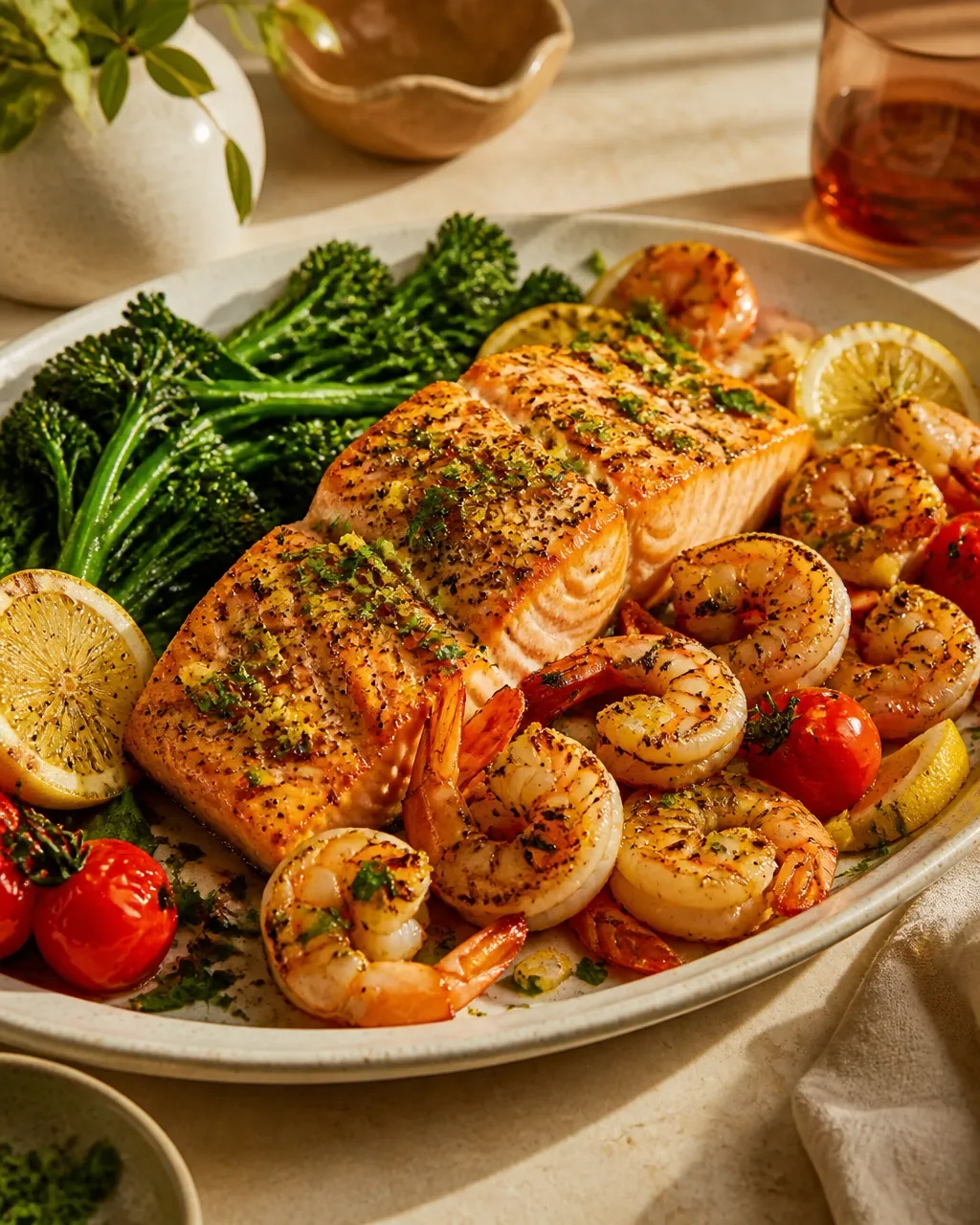
Use a heavy skillet, cast iron or thick stainless steel is preferred because they have a high heat capacity. This prevents the pan’s temperature from crashing when you introduce the cold fish. Dry your salmon fillets with obsessive precision. Use paper towels to wick away every micro-drop of moisture. When the salmon hits the shimmering oil, leave it alone. The proteins need time to denature and coagulate, forming a structural crust that will eventually "release" from the pan on its own. If you tear it away too early, you lose that flavor-packed exterior.
Now, let’s talk about the glaze. Teriyaki is essentially a high-sugar solution. If you apply it too early in the searing process, the sugars will undergo pyrolysis (burning) before the salmon is even cooked through. This results in a bitter, blackened mess. Instead, wait until the salmon is 80% finished. Introduce the glaze at the end, allowing the residual heat to trigger rapid evaporation. This increases the viscosity of the sauce, transforming it into a glossy, clingy emulsion that coats the fish without charring the sugars.
When it comes to the snap peas, we are fighting a different battle: preserving the plant’s cellular integrity. Snap peas get their "snap" from turgor pressure, water pushing against the cell walls made of cellulose. Overcook them, and the pectins and hemicellulose that act as the "glue" between cells will dissolve, leaving you with limp, olive-drab pods. You want a high-heat flash-fry. The goal is to brighten the chlorophyll (the pigment that gives them that neon green) by driving off the microscopic air bubbles on the surface, then stopping the clock before the cell walls collapse.
Engineering Flavor Variations
Once you understand the basic mechanics, you can start swapping variables to suit your palate. The core of this dish relies on a balance of salinity, acidity, and sweetness. If you want to lean into a more complex profile, try introducing an acid-forward element like rice vinegar or a squeeze of lime at the very end. The acidity cuts through the lipid-heavy richness of the salmon, acting as a palate cleanser between bites.
For those who crave heat, don't just dump in hot sauce. Use a fermented chili paste like gochujang or sambal oelek. These provide not just capsaicin, but also deep umami notes that complement the soy base of the teriyaki. If you are looking for healthy dinner ideas that fit a lower-carb profile, you can swap the traditional sugar-laden teriyaki for a reduction of tamari, ginger, and a touch of monk fruit sweetener.
You can also experiment with the "crunch" factor. While snap peas are the star here, bok choy or sliced bell peppers provide similar structural benefits under high heat. The key is to choose vegetables with high water content and sturdy cell walls that can withstand a 2-minute blast in the skillet without turning into mush.
Strategic Side Dish Pairings
While this stir-fry is a powerhouse on its own, the right pairing can elevate the meal from a "quick fix" to a structured culinary experience. Texture is your primary consideration here. Since the salmon and glaze are soft and silky, you need something with a bit of "tooth."
- Aromatic Basmati or Jasmine Rice: The long-grain structure provides a fluffy, neutral canvas that absorbs the excess glaze without becoming soggy. It’s the ultimate delivery system for that liquid gold sauce.
- Chilled Smashed Cucumber Salad: This is a classic move for a reason. The cold, crisp cucumbers seasoned with rice vinegar and sesame oil provide a thermal and acidic contrast to the hot, rich salmon. It’s an essential component if you’re looking for healthy dinner ideas.
- Cauliflower Rice: For a lower-glycemic option, a quick sauté of grated cauliflower mimics the texture of grain while keeping the meal light. Just make sure to cook it fast so it doesn't release too much water and dilute your hard-earned glaze.
Troubleshooting Your High-Speed Kitchen
What if my salmon is sticking to the pan?
Check your temperature and your patience. If the fish is sticking, it’s usually because the Maillard reaction hasn't progressed far enough to create a "crust" that naturally detaches from the metal, or your pan wasn't hot enough to begin with. Do not force it. Give it another 30 seconds of undisturbed heat. Also, ensure you used enough oil; the oil acts as a thermal bridge, filling the microscopic gaps between the fish and the pan.
Why did my teriyaki sauce turn into a thick, sticky glue?
This is a result of over-reduction. Teriyaki has a high concentration of solutes (sugar and salt). As water evaporates, the concentration increases, and the viscosity skyrockets. If it gets too thick, simply kill the heat and add a teaspoon of water or mirin. Use your whisk to re-emulsify the sauce. It should be "nappe" consistency, thick enough to coat the back of a spoon but still fluid enough to pour.
Can I use frozen salmon for this?
Yes, but you must be careful about the "drip loss." When fish is frozen, ice crystals can puncture the cell membranes. When thawed, this moisture leaks out, making it very difficult to get a dry surface for searing. If using frozen, thaw it completely in the fridge, then spend extra time patting it dry. If you are into air fryer recipes dinner hacks, you can actually air-fry the salmon from frozen to get a decent result, but for this specific stir-fry, the skillet is king for that direct-contact sear.
What if the snap peas are too "stringy"?
This is a mechanical issue, not a chemical one. Many snap peas have a fibrous "string" running along the seam. You must remove this manually before cooking. Snap the stem end and pull downward: the string should come right off. No amount of cooking will soften that cellulose string; it’s like trying to chew on a piece of dental floss.
Is it okay to use bottled teriyaki sauce?
Avoid the cheap, corn-starch thickened bottles if you can. They often contain stabilizers that don't react well to high heat and can taste artificial. If you must use store-bought, look for one with a short ingredient list (soy, sugar/honey, ginger, garlic). Better yet, just keep these staples in your pantry. Making your own "quick" version in the pan is faster than you think and allows for much better control over the final flavor profile.