Recipe
Servings
Servings 1×
Cook 6 min
Ingredients
- Steak
- Black beans
- Beans
- Greek yogurt
- Tortillas
- Bread
- Corn
- Avocado
- Onion
- Lemon
- Lime
- Tahini
- Feta
- Cooking oil
- Chili seasoning
Method
- Let’s be honest: Tuesday night doesn't care about your gourmet aspirations.
- Start with the concept of "blooming" your spices.
- Use a neutral oil or even a bit of leftover bacon fat for an extra hit of savory depth.
- Let them sit in the hot pan for a minute or two.
- Drain and rinse your beans thoroughly before they hit the pan.
- Use a dry skillet or even a direct gas flame to toast them until they are pliable and fragrant.
Let’s be honest: Tuesday night doesn't care about your gourmet aspirations. When you walk through the door after a long day, you don’t need a culinary project; you need a win. That’s where these 15-minute spicy black bean tacos come in. They are the ultimate solution for quick family meals that don't taste like a compromise. We’re leaning on pantry staples and a little bit of chemistry to turn humble beans into a high-impact dinner that rivals any taco truck.
The Science of Flavor: Tips & Technique
Cooking is essentially a series of controlled chemical reactions, and even in a 15-minute window, you can manipulate these reactions for better results. The most common mistake home cooks make with bean tacos is dumping the can directly into the pan and hoping for the best. Stop doing that.
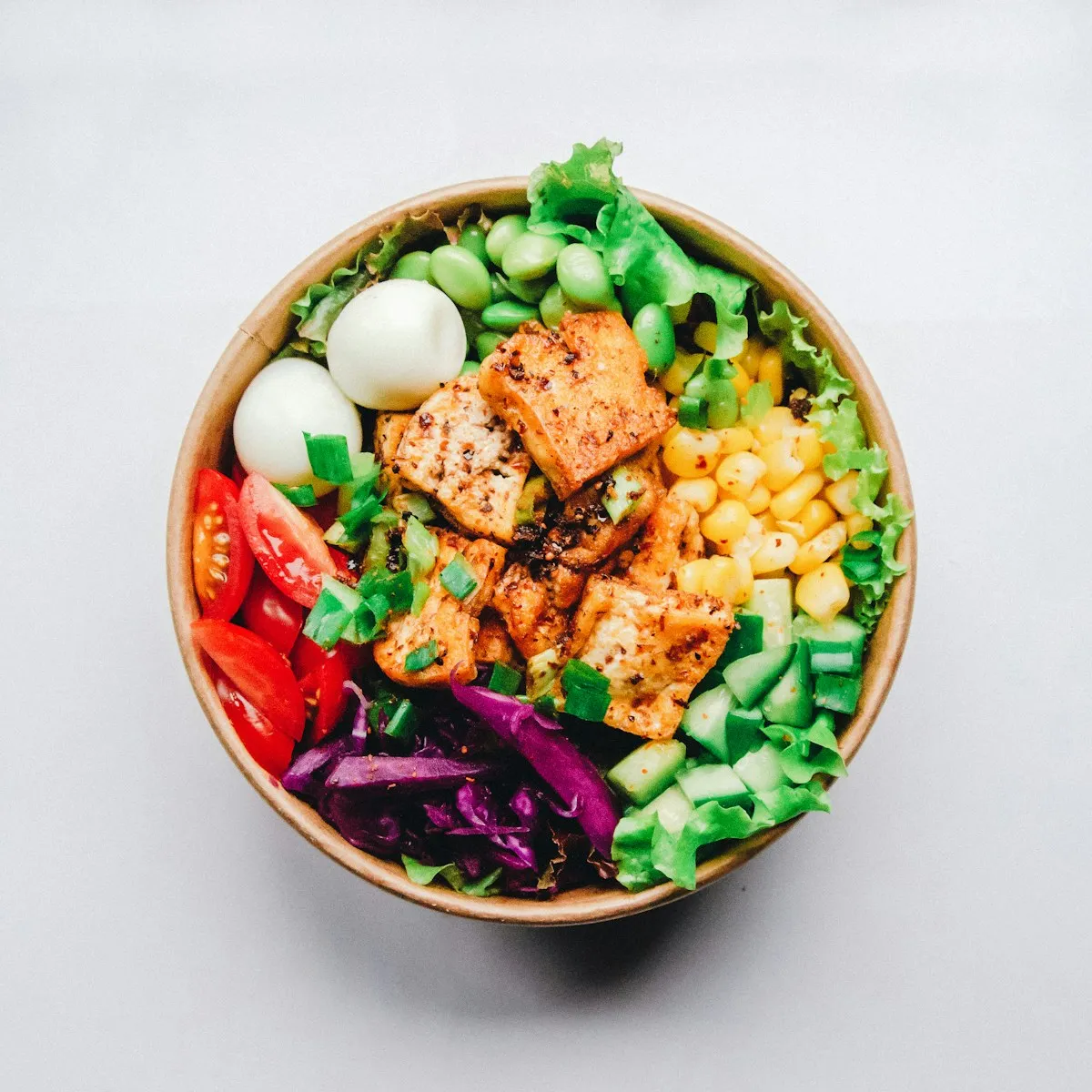
Start with the concept of "blooming" your spices. Most of the flavor compounds in cumin, chili powder, and paprika are lipophilic, meaning they dissolve in fat, not water. If you throw spices into a watery bean mixture, those flavors stay trapped inside the dry particles. However, if you sizzle them in a tablespoon of hot oil for 30–60 seconds before adding the beans, the heat breaks down the spice’s cellular structure and releases those essential oils into the fat. This coats every single bean in a layer of flavor that water-based simmering simply can’t achieve. Use a neutral oil or even a bit of leftover bacon fat for an extra hit of savory depth.
Next, let’s talk about the Maillard reaction. We usually associate this with searing steak, but it applies to beans too. After you’ve bloomed your spices and added your drained beans, don't just stir them constantly. Let them sit in the hot pan for a minute or two. You want the skins to slightly blister and brown. This creates complex, nutty flavor compounds (melanoidins) that elevate the beans from "canned food" to "chef-level."
Drain and rinse your beans thoroughly before they hit the pan. The liquid in the can is full of excess sodium and complex sugars (oligosaccharides) that can contribute to digestive distress and a muddy flavor. By rinsing them, you start with a clean slate, allowing your bloomed spices and charred skins to take center stage.
Finally, do not neglect your tortillas. A cold tortilla is a sad, brittle disc of disappointment. Tortillas are made of starch, and as they sit, those starch molecules undergo a process called retrogradation, they realign into a stiff, crystallized structure. To fix this, you need heat. Use a dry skillet or even a direct gas flame to toast them until they are pliable and fragrant. This re-gelatinizes the starches, making the tortilla soft and sturdy enough to hold your fillings without cracking. If you're looking for more healthy dinner ideas, this technique ensures you're getting the best texture out of whole-grain or corn tortillas without needing excess grease.
Finding the Perfect Balance: Variations
The secret to a great taco isn't just the filling; it's the contrast. A black bean taco is naturally earthy and "heavy," so you must counter that with acidity and brightness. Think of your taco as a scale that needs to be perfectly balanced.
If you find your beans are particularly spicy, don't reach for water, reach for fat. A dollop of Greek yogurt or a few slices of avocado will coat your taste buds and dampen the capsaicin’s fire. On the flip side, if the dish feels a bit dull or "flat," it’s likely missing acid. A quick squeeze of lime or a spoonful of pickled red onions will provide the pH drop needed to brighten the earthy notes of the beans.
Consider these variations to keep things interesting:
- The Smoky Mediterranean: Swap the taco seasoning for smoked paprika and dried oregano. Top with feta cheese and a lemon-tahini drizzle. The saltiness of the feta provides a sharp contrast to the creamy beans.
- The Sweet & Spicy: Add a handful of frozen corn to the pan while the beans are charring. The natural sugars in the corn will caramelize, providing sweet little pops of flavor that cut through the heat of the chipotle.
- The Crispy Crunch: If you prefer a bit of texture, toss some pepitas (pumpkin seeds) into the pan during the last minute of cooking. They provide a nutty crunch that mimics the texture of ground meat.
Side Dish Pairings
While these tacos are a powerhouse on their own, pairing them with the right side can turn a simple meal into a feast. Since we’re all about efficiency, look for sides that can cook in the time it takes you to assemble the tacos.
A bright, citrusy cabbage slaw is the gold standard here. Shredded cabbage, lime juice, and a pinch of salt will soften and release its juices in about ten minutes. The crunch of the raw cabbage provides a structural contrast to the soft beans and tortillas.
If you have an air fryer, you can easily whip up some crispy vegetable sides. For instance, my air fryer sausage pepper onion medley is a great reference for how to get high-heat caramelization quickly. You can apply those same principles to sliced zucchini or even sweet potato cubes. Simply toss them in a bit of oil and salt, and let the air fryer do the work while you focus on the beans. This is a great way to explore air fryer recipes dinner enthusiasts love, it’s hands-off and delivers that perfect "fried" texture without the mess.
The Science-Based Taco FAQ
Why do my black beans always turn out mushy?
Mushiness is usually a result of overcooking or too much moisture. When beans are heated in a liquid for too long, the cell walls (composed of pectin and cellulose) break down completely. To avoid this, keep your cooking time brief, around 5 to 7 minutes in the pan, and make sure you’ve drained them well. You want to heat them through and develop flavor on the outside, not turn them into a mash.
Can I use dried beans for this 15-minute recipe?
Short answer: No. Long answer: Dried beans require hours of hydration and cooking to achieve starch gelatinization. While they are cheaper and offer a slightly better texture, they don't fit the "15-minute" requirement. If you’re a fan of the viral garlic butter ramen hack, you know that pantry shortcuts are essential for high-speed cooking. Stick to high-quality canned beans for this specific timeline.
Is it really necessary to toast the tortillas?
Yes. It’s a non-negotiable. Beyond the starch science mentioned earlier, toasting creates "toast points": small charred spots where the Maillard reaction has occurred. This adds a smoky aroma that mimics a wood-fired oven. If you skip this, your tacos will taste like cold cardboard.
How do I make these tacos even more filling?
If you have a high metabolism or a very hungry family, focus on adding fiber and healthy fats. Doubling up on the beans is an option, but adding a side of quinoa or a high-protein slaw with hemp seeds is better for satiety. Remember, fat and fiber are the two main drivers of fullness, so don't be shy with the avocado or a drizzle of olive oil.
What if I don't have lime?
Don't panic, but you do need an acid. Use a splash of apple cider vinegar or even the brine from a jar of pickled jalapeños. The goal is to provide a sharp "bite" that cuts through the richness of the beans and fats. Without it, the flavor profile remains "one-note" and heavy.
By understanding the "why" behind the blooming of spices and the gelatinization of starches, you're not just following a recipe: you're mastering a technique. These tacos prove that speed doesn't have to sacrifice science or soul. Give it a shot tonight and see how a few smart choices can transform 15 minutes into a culinary highlight.