Recipe
Servings
Servings 1×
Ingredients
- Tofu
- Chickpeas
- Noodles
- Rice
- Tortillas
- Broccoli
- Peas
- Cucumber
- Avocado
- Garlic
- Fresh ginger
- Peanut butter
- Butter
- Cooking oil
- Sesame
- Chili seasoning
- Salt
Method
- Heat control is your final pillar.
- Use a high-smoke-point oil like grapeseed or avocado oil and wait until the pan is shimmering.
- Use a wide skillet or a wok to avoid overcrowding.
- Give them space to breathe.
- Let them sit undisturbed for at least three minutes on the first side.
- Add the sauce at the very end.
You know that feeling when the clock hits 6:00 PM, your stomach is growling like a hungry grizzly, and the thought of spending an hour over a hot stove makes you want to order takeout for the fourth time this week? I’ve been there. But before you open that delivery app, let me introduce you to my secret weapon: the 15-minute plant-based sesame ginger tofu stir-fry. It’s fast, it’s vibrant, and it’s one of those plant-based dinner ideas that actually leaves you feeling satisfied rather than just "virtuous."
The Science of the Crunch: Moisture, Heat, and Starch
If you’ve ever had "sad tofu": you know, the kind that’s spongy, watery, and about as exciting as a wet cardboard box: it’s not the tofu’s fault. It’s a physics problem. Tofu is packed with water, and water is the enemy of the Maillard reaction, that glorious chemical process where proteins and sugars transform into a golden, savory crust. To get that restaurant-quality crunch in under fifteen minutes, you have to master moisture management.
First, prioritize extra-firm tofu. It has a tighter protein network and less water than the soft or silken varieties. Press it. Even if you only have five minutes while you’re chopping your aromatics, wrap that block in a clean kitchen towel and put a heavy cast-iron skillet on top. This physical pressure forces out the surface moisture. If the surface is dry, the heat of the pan can go straight to work browning the exterior instead of wasting time evaporating a puddle of water.
Next, lean on the magic of starch. Tossing your pressed cubes in a light coating of cornstarch or arrowroot powder is a non-negotiable step. Starch is a polymer that, when exposed to heat and a little oil, creates a microscopic, dehydrated shell. This shell acts as an insulator, keeping the inside of the tofu tender while providing a craggy, high-surface-area exterior. This isn't just about texture; it’s about flavor. Those tiny ridges created by the starch are perfect for "trapping" the sauce, ensuring every bite is a flavor bomb.
Heat control is your final pillar. Use a high-smoke-point oil like grapeseed or avocado oil and wait until the pan is shimmering. Use a wide skillet or a wok to avoid overcrowding. If you dump too many cubes in at once, the temperature of the pan drops and the tofu starts to steam in its own juices. Give them space to breathe. Let them sit undisturbed for at least three minutes on the first side. Constant flipping is the hallmark of the impatient cook; let the heat do its job.
Finally, understand the "sauce finish." A great sesame ginger glaze is an emulsion of fats (sesame oil), acids (rice vinegar), and sugars (maple syrup or brown sugar). Because we use a bit of starch in the sauce itself, it will thicken almost instantly when it hits the hot pan. Add the sauce at the very end. You want to coat the tofu, not drown it. A quick 60-second toss ensures the glaze clings to that crispy starch shell without soaking through it and making it soggy.
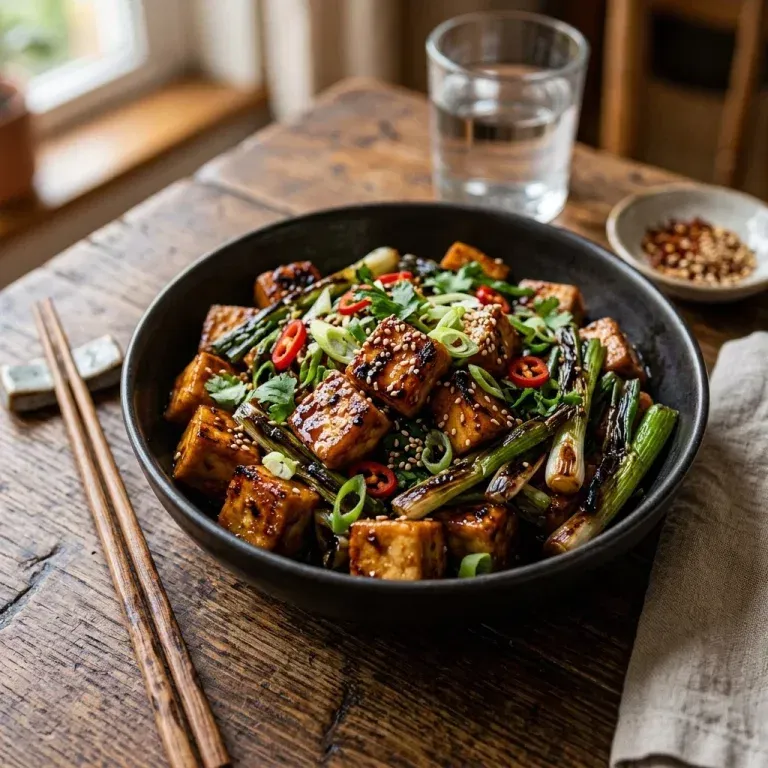
Flavor Flexing: Making the Recipe Your Own
The beauty of this dish is its adaptability. While the sesame-ginger base is a classic, you can easily pivot based on what’s lingering in your crisper drawer. This is the king of budget friendly recipes because it thrives on leftovers. If you don't have fresh broccoli, frozen peas or snap peas work beautifully: just toss them in straight from the freezer; the high heat of the stir-fry will thaw and blister them in seconds.
For those who crave heat, don't just settle for a drizzle of sriracha at the table. Infuse the oil at the beginning with dried red chili flakes or a spoonful of chili crisp. The capsaicin is fat-soluble, so heating it in the oil distributes the warmth throughout the entire dish rather than leaving you with localized "hot spots." If you prefer a nuttier profile, swap a tablespoon of the oil for creamy peanut butter in the sauce. This transforms the glaze into a rich, satay-style coating that pairs exceptionally well with the bite of fresh ginger.
If tofu isn't your speed, this technique works just as well with tempeh or even chickpeas. For chickpeas, make sure they are bone-dry before hitting the pan. They won't get "crunchy" in the same way tofu does, but they will develop a lovely roasted skin that holds the ginger glaze perfectly. You can also play with the aromatics; if you’re out of fresh ginger, a teaspoon of ground ginger and an extra clove of garlic will get you 80% of the way there, though you’ll miss that signature fresh zing.
The Perfect Match: Balancing the Plate
A great stir-fry is a study in balance: heat, sweet, salt, and acid. To turn this into one of your favorite one pot meals, you need a side that doesn't compete for attention but provides a necessary contrast. I usually opt for a base of jasmine rice or brown rice. The neutral, starchy profile of the rice acts as a sponge for any stray sesame ginger sauce that escapes the tofu.
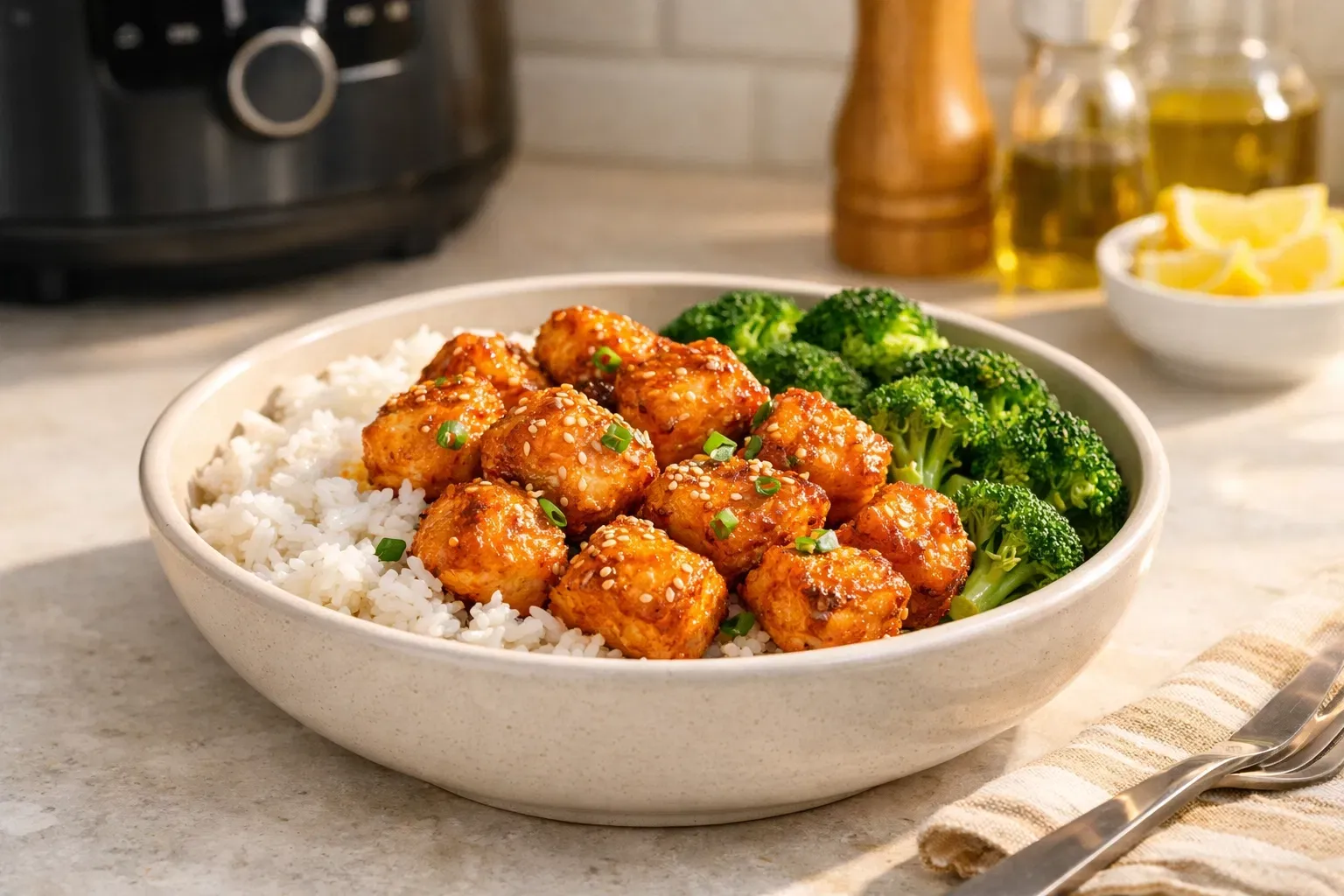
If you want to keep things lighter, a quick-pickled cucumber salad is a game-changer. The cooling crunch and sharp acidity of the vinegar cut right through the richness of the toasted sesame oil. Simply slice some cucumbers thin, toss them with a splash of rice vinegar and a pinch of salt, and let them sit while you cook the tofu. By the time the stir-fry is done, the cucumbers will have softened just enough.
For a more substantial meal, consider pairing this with some quick-cooking noodles. You can even check out my guide on the viral garlic butter ramen hack if you want to go full fusion. The key is to keep the side dish simple. Since the stir-fry is so flavor-forward, you don't want a side that’s fighting for the spotlight. A sprinkle of fresh cilantro or sliced scallions over everything right before serving adds a hit of "green" freshness that pulls the whole plate together.
Frequently Asked Stir-Fry Questions
Why did my tofu stick to the pan even though I used oil?
This usually happens for two reasons: the pan wasn't hot enough, or you tried to flip the tofu too soon. When the starch coating hits a hot, oiled surface, it initially sticks, but as it crisps up and dehydrates, it naturally "releases" from the pan. If you find yourself tugging at a cube, stop! Give it another minute. Also, ensure you are using a well-seasoned cast iron or a high-quality non-stick pan.
Can I make this ahead of time for meal prep?
You certainly can, but with a caveat: the tofu will lose its crispness. When you reheat it, the moisture from the vegetables and the sauce will soften that starch shell. It will still taste incredible, but the texture will be more like traditional braised tofu. If you’re a texture purist, store the sauce and the fried tofu separately, then toss them together in a hot pan for a minute when you're ready to eat.
Is it okay to use frozen ginger?
Absolutely. In fact, I prefer it. Keep a knob of ginger in your freezer; it actually makes it easier to grate using a microplane, and you don't have to deal with those pesky stringy fibers. It dissolves perfectly into the sauce, giving you that punchy flavor without any woody bits.
What if my sauce is too thick or too thin?
Starch is reactive. If the sauce is looking like paste, whisk in a tablespoon of water or vegetable broth to loosen it up. If it’s too watery and won't cling to the tofu, let it simmer for an extra 30 seconds. The cornstarch activates at a simmer; if it hasn't bubbled, it hasn't thickened.
Do I really need to press the tofu for 15 minutes?
If you are in a massive rush, you can get away with a "super-press." Slice the tofu into its final cubes first, lay them out on a towel, and press them all at once. Increasing the surface area allows more water to escape faster. It’s not as effective as a long press of the whole block, but it’s a solid hack for those nights when 15 minutes is all you have.
Looking for more inspiration? Explore our full collection of 15-minute meals or try our one-pan sausage and pepper medley for those nights when you just can't deal with more than one dish. Happy cooking!
{“@type”:”BlogPosting”,”image”:”https://cdn.marblism.com/qDq3Dy-8r9j.webp”,”author”:{“name”:”Penny”,”@type”:”Person”},”@context”:”https://schema.org”,”headline”:”15-Minute Plant-Based Sesame Ginger Tofu Stir-Fry”,”publisher”:{“logo”:{“url”:”https://cookpedia.com/logo.png”,”@type”:”ImageObject”},”name”:”Cookpedia”,”@type”:”Organization”},”mainEntity”:[{“name”:”Why did my tofu stick to the pan even though I used oil?”,”@type”:”Question”,”acceptedAnswer”:{“text”:”This usually happens because the pan wasn’t hot enough or the tofu was flipped too soon. The starch coating needs time to crisp and naturally release from the surface.”,”@type”:”Answer”}},{“name”:”Can I make this ahead of time for meal prep?”,”@type”:”Question”,”acceptedAnswer”:{“text”:”Yes, but the tofu will lose its crispness once stored with the sauce. For best results, store the sauce and crispy tofu separately and combine them in a hot pan when reheating.”,”@type”:”Answer”}},{“name”:”Is it okay to use frozen ginger?”,”@type”:”Question”,”acceptedAnswer”:{“text”:”Yes, frozen ginger is actually easier to grate and dissolves perfectly into the sauce without any woody fibers.”,”@type”:”Answer”}}],”description”:”Learn the science behind the perfect 15-minute plant-based sesame ginger tofu stir-fry. Master moisture management and starch coatings for restaurant-quality results at home.”,”datePublished”:”2026-06-19″,”mainEntityOfPage”:{“@id”:”https://cookpedia.com/15-minute-plant-based-sesame-ginger-tofu-stir-fry”,”@type”:”WebPage”}}