Recipe
Servings
Servings 1×
Ingredients
- Tofu
- Quinoa
- Noodles
- Rice
- Tortillas
- Greens
- Cucumber
- Garlic
- Fresh ginger
- Lime
- Peanut butter
- Cream
- Butter
- Cooking oil
- Soy sauce or tamari
- Sesame
- Chili seasoning
Method
- Prepare the ingredients described in the article and heat the cooking surface or oven as directed.
- Cook the main ingredients using the heat and timing guidance in the article.
- Finish with the seasonings and garnishes named in the article, then serve.
You know those nights when the clock is ticking, the fridge is staring back at you with a judgmental hum, and you’re about thirty seconds away from ordering a pizza? I’ve been there more times than I care to admit. But here’s the secret: you can actually whip up something better, faster, and significantly more impressive than whatever that delivery guy is bringing. This 15-minute plant-based spicy peanut tofu is my absolute go-to when I need to satisfy a massive craving without spending my entire evening hovering over a stove. It’s crunchy, it’s creamy, and it has just enough kick to wake up your taste buds after a long day.
Whether you’re hunting for healthy dinner ideas or just need to get through a Tuesday without a meltdown, this dish is your new best friend. It’s proof that plant-based eating doesn't have to be complicated or bland. We’re talking about high-impact flavors with a minimal time investment.
The Science of the Crunch and the Sauce
If you’ve ever had "sad, soggy tofu," you know exactly why people are skeptical of plant-based proteins. Tofu is essentially a water-logged protein gel. Think of it like a tiny, culinary sponge. If you don't treat that sponge right, it’s just going to stay wet and rubbery. To get that restaurant-quality crust in under fifteen minutes, you have to understand the science of moisture removal and the Maillard reaction.
Master the Moisture
First things first: stop babying your tofu. You don't have time for a thirty-minute press with a stack of textbooks. Instead, use extra-firm tofu and give it a firm, aggressive pat-down with a clean tea towel. The real pro move? Tear the tofu into irregular chunks instead of cutting it into perfect cubes. These jagged edges create a massive increase in surface area. More surface area means more room for moisture to evaporate and more nooks for that delicious peanut sauce to cling to later.
Engineered Crusts
To guarantee a crunch that actually lasts, use a starch coating. Cornstarch is your secret weapon here. When you toss those tofu chunks in starch, you're building a sacrificial layer. As soon as that starch hits the heat, it gelatinizes and then quickly dehydrates into a rigid, porous shell. This shell acts as a heat shield, protecting the delicate protein inside while giving you that satisfying snap on the outside. If you’re looking for reliable air fryer recipes dinner options, this starch trick is non-negotiable. The circulating hot air in an air fryer is basically a moisture-evaporating machine, making it the perfect partner for starched tofu.
The Maillard Magic
Don't be afraid of high heat. You need to push your pan or air fryer to that sweet spot between 360°F and 400°F. This is where the Maillard reaction happens, that beautiful chemical dance between amino acids and sugars that turns food golden brown and savory. If your heat is too low, the tofu will just steam in its own leftover juices. Crank it up, listen for the sizzle, and don't move the tofu until it naturally releases from the pan.
The Emulsion Equation
While your tofu is getting its glow-up, let’s talk about the sauce. A great peanut sauce is a stable oil-in-water emulsion. Peanut butter is naturally oily, and we’re mixing it with water-based ingredients like soy sauce and lime juice. If you just dump them all together and stir lazily, you’ll end up with a broken, grainy mess.
Use warm water and add it one tablespoon at a time. The heat helps the proteins in the peanut butter and soy sauce act as emulsifiers, wrapping around the tiny oil droplets to keep them suspended. It’s going to look "seized" and weird at first, don't panic. Just keep whisking. As you gradually add the liquid, the mixture will suddenly relax into a glossy, pourable cream. This is one of those quick family meals hacks that makes you look like a trained chef with zero extra effort.
Flavor Variations: Balance Your Bowl
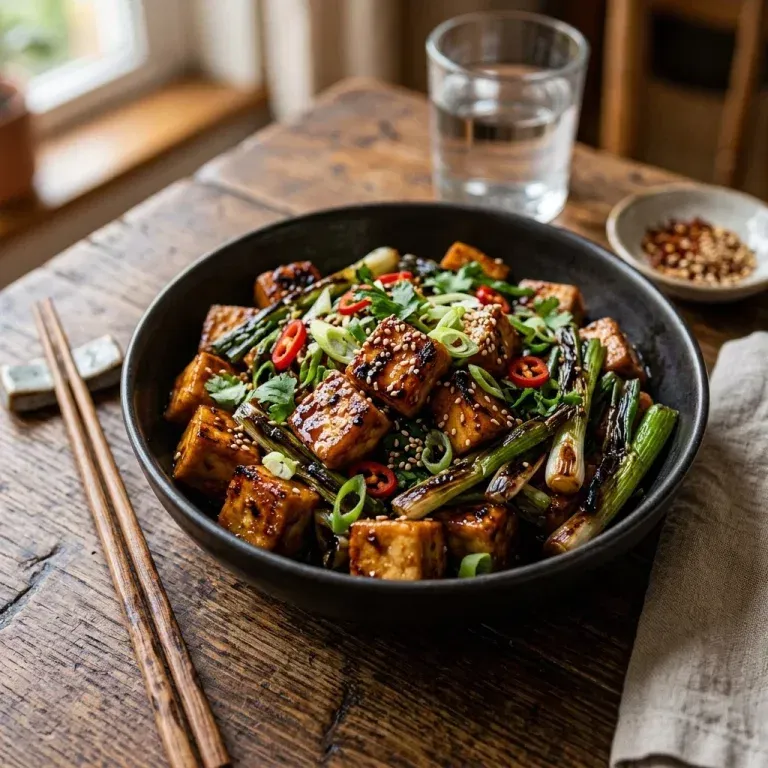
Cooking is all about the tug-of-war between richness and acidity. The peanut butter provides a heavy, savory base, so you need to fight back with bright, sharp elements to keep the dish from feeling sluggish.
If you like things spicy, don't just rely on dried chili flakes. Stir in a teaspoon of gochujang or Sriracha into your sauce base. The fermentation in these pastes adds a depth of flavor that raw heat can't touch. For those who prefer a more aromatic profile, add a splash of toasted sesame oil right at the end. It’s potent, so treat it like a perfume, a little goes a long way.
For a hit of freshness, experiment with different citrus. While lime is the classic choice, a squeeze of orange juice can bring a subtle sweetness that pairs beautifully with the ginger. If you find the sauce is too thick, don't just add water, add a splash of rice vinegar. This increases the acidity and thins the consistency simultaneously, cutting right through the fattiness of the peanuts. This is the key to creating healthy dinner ideas that don't feel like a chore to eat.
Texture and Pairings: More Than Just Tofu
A great meal is a symphony of textures. Since our tofu is crispy and our sauce is creamy, you need something fresh and crunchy to round out the plate. I’m a huge fan of serving this over a bed of thinly sliced raw cabbage or a quick cucumber salad. The cold, watery crunch of the vegetables provides the perfect contrast to the warm, spicy tofu.
If you’re feeling extra hungry, grains are your best bet. While white rice is the standard, try quinoa or even farro for a nuttier bite. If you’ve already mastered things like our viral garlic butter ramen hack, you can toss these peanut tofu bites directly into some quick-cooking noodles for a high-speed pad Thai vibe.
For a lighter option, use large butter lettuce leaves to make wraps. It’s a fun, interactive way to eat that’s always a hit when you’re serving quick family meals to kids (or just adults who like to eat with their hands).
FAQ: Solving Your Tofu Troubles
What if my tofu sticks to the pan?
This usually happens because of two reasons: the pan wasn't hot enough when you started, or you tried to flip it too early. Protein needs time to bond and then "release" as it browns. Use a heavy-duty non-stick pan or a well-seasoned cast iron. If it’s stuck, give it another thirty seconds. Science will eventually do the work for you.
Can I use low-fat peanut butter?
Please, for the love of flavor, do not do this. Low-fat nut butters are often pumped full of fillers and sugar that will mess with the emulsification process. You need the natural fats to create that silky mouthfeel. If you’re worried about calories, just use a little less of the real stuff.
Why is my sauce grainy instead of smooth?
You likely added the liquid too fast or used ice-cold water. If your sauce looks "split" (where you see oil floating separately), try whisking in a teaspoon of boiling water or a tiny bit more peanut butter. The extra emulsifiers in the peanut butter can sometimes pull a broken sauce back together.
Is the air fryer really better for this?
When it comes to air fryer recipes dinner enthusiasts usually swear by the convenience. The air fryer is essentially a high-powered convection oven. It moves air so fast that it dries the surface of the tofu much more efficiently than a standard oven. If you want maximum crunch with minimum oil, the air fryer is the undisputed champion.
Can I make this with other proteins?
Absolutely. While this is a plant-based star, the peanut sauce is incredibly versatile. It works just as well with crispy chickpeas or even roasted cauliflower. If you’re looking for more inspiration, check out our guide on one-pan meals to see how we balance different proteins and vegetables in record time.
Does the type of tofu matter?
Yes. Do not attempt this with silken tofu unless you want a bowl of peanut-flavored mush. You need extra-firm or "super firm" (the vacuum-packed kind) to hold up to the high-heat searing and tossing. The firmer the tofu, the better it will maintain its structural integrity during the 15-minute blitz.
{“@type”:”BlogPosting”,”image”:[“https://cdn.marblism.com/hWpxHrQyRAa.webp”,”https://cdn.marblism.com/Dd879Y3qYOq.webp”,”https://cdn.marblism.com/ZJvaRqN_x-v.webp”,”https://cdn.marblism.com/mbN904NODVW.webp”,”https://cdn.marblism.com/92fKel-dII_.webp”],”author”:{“name”:”Cookpedia”,”@type”:”Organization”},”@context”:”https://schema.org”,”headline”:”15-Minute Plant-Based Spicy Peanut Tofu”,”publisher”:{“logo”:{“url”:”https://cdn.marblism.com/KxroJ1kM_KA.webp”,”@type”:”ImageObject”},”name”:”Cookpedia”,”@type”:”Organization”},”description”:”Learn the science behind 15-minute crispy tofu and a perfectly emulsified peanut sauce. A quick, healthy, and plant-based dinner solution for busy weeknights.”,”datePublished”:”2026-06-18″,”mainEntityOfPage”:{“@id”:”/category/quick-easy”,”@type”:”WebPage”}}