Recipe
Servings
Servings 1×
Ingredients
- Pasta
- Noodles
- Potatoes
- Carrots
- Tomatoes
- Onion
- Garlic
Method
- Let’s be honest: the dream is a home-cooked meal that tastes like it took five hours but only took thirty minutes and leaves you with exactly one pan to scrub.
- Start with the Maillard reaction.
- Use a heavy-bottomed pot like a Dutch oven or a sturdy cast-iron skillet to ensure even heat distribution.
- Add your "hard" ingredients first, think carrots, potatoes, or onions, and save delicate greens or fresh herbs for the very last minute.
Let’s be honest: the dream is a home-cooked meal that tastes like it took five hours but only took thirty minutes and leaves you with exactly one pan to scrub. We’ve all been there, staring at a mountain of dishes after a "quick" Tuesday night dinner, wondering where it all went wrong. That is where one pot meals come in to save your sanity. They aren’t just a lazy hack; they are a brilliant way to build deep, complex flavors without turning your kitchen into a disaster zone. If you are ready to reclaim your evenings, it is time to embrace the magic of the single vessel.
The Science of Flavor: Why the Single Pot Wins
Cooking everything in one pot isn't just about saving time; it is about flavor chemistry. When you layer ingredients in a single pan, you are creating a closed flavor loop. Every bit of juice, every scrap of caramelization, and every drop of fat stays exactly where it belongs, in your food.
Start with the Maillard reaction. This is the chemical reaction between amino acids and reducing sugars that gives browned food its distinctive flavor. When you sear your protein or sauté your aromatics (like onions and garlic) directly in the pot, you are creating a foundation of flavor called the "fond", those delicious brown bits stuck to the bottom. Avoid the temptation to wash that pan! Those bits are gold.
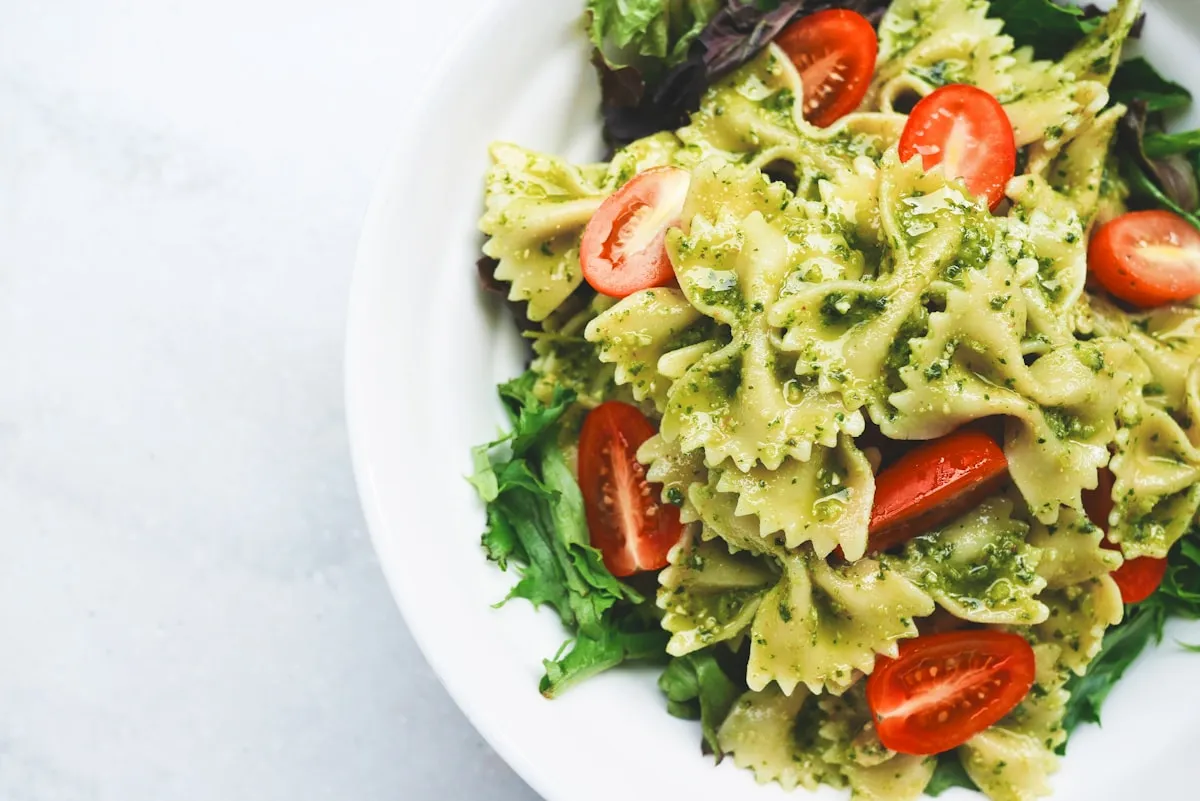
Next comes deglazing. When you add a liquid, whether it is stock, wine, or even the juice from canned tomatoes, it lifts that fond off the bottom and incorporates it into your sauce. This is how you achieve the depth of flavor usually reserved for slow-simmered restaurant dishes. Check your healthy weeknight dinners for opportunities to deglaze; it is the easiest way to level up your cooking.
Then, there is emulsification and starch integration. When you cook grains or pasta directly in the sauce, they release starches that act as natural thickeners. Instead of a watery mess, you get a silky, cohesive sauce that clings to every bite. Think of a one-pot pasta where the noodles soak up the broth rather than just being coated by it. The difference in taste is staggering because the flavor is literally inside the grain.
Finally, layering is your secret weapon. Use a heavy-bottomed pot like a Dutch oven or a sturdy cast-iron skillet to ensure even heat distribution. Add your "hard" ingredients first, think carrots, potatoes, or onions, and save delicate greens or fresh herbs for the very last minute. This keeps the textures distinct while the flavors remain unified. If you want to dive deeper into fast cooking, explore our 15-minute meals for more efficiency tips.
Variations: Balancing the Bowl
The beauty of easy dinner recipes is their flexibility. You can swap proteins and vegetables based on what is in your fridge, provided you maintain a balance of salt, fat, and acid. If you are making a heavy, creamy stew, you need something sharp to cut through the richness.
- The Mediterranean Twist: Use chicken thighs and artichokes, then finish with a heavy squeeze of lemon and a handful of briny olives. The acidity of the lemon cuts right through the fat of the chicken.
- The Plant-Based Powerhouse: Try a quick chickpea and spinach stew. Use coconut milk for richness and a dash of lime juice at the end to keep the earthy lentils and spinach from feeling too heavy.
- The Spicy Stir-Fry: If you prefer a faster pace, a one-pan stir-fry using high heat and soy sauce provides a salty, savory punch. Balance that salt with a drizzle of honey or a splash of rice vinegar.
Remember, the goal is a balanced profile. If a dish tastes "flat," it usually doesn't need more salt, it needs more acid. Always keep a lemon or a bottle of light vinegar nearby.
Side Dish Pairings: Keeping it Simple
Since your main event is already a powerhouse, your side dishes should be minimal and functional. You want textures and temperatures that contrast with your main pot.
If you are serving a rich, saucy one-pot meal, pair it with a crisp, cold salad. A simple arugula salad with a light vinaigrette provides a peppery bite that refreshes the palate between spoonfuls of stew. Avoid anything too complex; you don't want to create more dishes!
For grain-based one-pot meals, a side of roasted vegetables can add a much-needed crunch. If you have an air fryer, you can whip these up in minutes. Take a look at some air fryer recipes dinner ideas to see how you can use that tool for quick, textured sides while your main pot simmers on the stove. A bit of charred broccoli or crispy Brussels sprouts can elevate a simple rice-based dish into something extraordinary.
FAQ: The Science of "What If?"
What if my one-pot pasta is too gummy?
Gummy pasta is usually the result of too much starch and too little movement. Use a wider pot to allow the pasta to move, and ensure you have enough liquid. Scientifically, pasta releases starch as it cooks; if the liquid is too concentrated, that starch becomes a glue. Stir frequently in the first few minutes to keep the strands separate.
Can I use any pot for these recipes?
Technically, yes, but a heavy-bottomed pot is a non-negotiable for the best results. Thin pots have "hot spots" that cause food to burn in some areas while remaining raw in others. A heavy cast-iron or stainless steel pot holds heat steadily, which is essential for proper Maillard browning and gentle simmering.
Why did my meat come out tough in a one-pot stew?
Meat toughness is often about the cut and the temperature. If you use lean cuts like chicken breast or sirloin for a long simmer, they will dry out. Use "working muscles" like chicken thighs or chuck roast. These contain collagen, which breaks down into gelatin over time, creating that melt-in-your-mouth texture. If you are in a rush, stick to smaller pieces of lean meat and cook them quickly.
What if the sauce is too thin at the end?
Don't panic and add flour immediately. Instead, remove the lid and turn up the heat for the last five minutes. This allows for evaporation, concentrating the flavors and thickening the liquid naturally. You can also mash a few beans or potatoes against the side of the pot to release extra starch, which acts as a natural emulsifier.
Is it really possible to make healthy weeknight dinners in one pot?
Absolutely. By controlling the ingredients and avoiding heavy processed sauces, you can create nutrient-dense meals. Focus on loading the pot with vegetables and lean proteins. Because you aren't draining the cooking liquid, you actually retain more water-soluble vitamins that would otherwise be lost down the sink.
One-pot cooking is a journey of efficiency and flavor. It forces you to think about how ingredients interact and rewards you with a meal that tastes like a labor of love: without the labor. Grab your favorite pot and get started!
{“@type”:”BlogPosting”,”image”:”https://cdn.marblism.com/XrKMdd2JDOL.webp”,”author”:{“name”:”Cookpedia Chef”,”@type”:”Person”},”@context”:”https://schema.org”,”headline”:”Why One-Pot Meals Will Change the Way You Cook Healthy Weeknight Dinners”,”publisher”:{“logo”:{“url”:”https://cookpedia.com/logo.png”,”@type”:”ImageObject”},”name”:”Cookpedia”,”@type”:”Organization”},”description”:”Discover the science and simplicity behind one-pot meals. Learn how to create healthy weeknight dinners with deep flavor and minimal cleanup.”,”datePublished”:”2026-06-25″,”mainEntityOfPage”:{“@id”:”https://cookpedia.com/why-one-pot-meals-will-change-your-cooking”,”@type”:”WebPage”}}