Recipe
Servings
Servings 1×
Ingredients
- Chicken
- Tortellini
- Pasta
- Mushrooms
- Spinach
- Tomatoes
- Cream
- Hard cheese
- Chili seasoning
- Black pepper
Method
- Use a wide, deep skillet to ensure even heat distribution and enough surface area for the sauce to reduce efficiently.
- Toss it in at the very end.
- Brown your protein in the skillet first, remove it, and then build your sauce in the same pan to capture all those flavorful browned bits (the "fond") stuck to the bottom.
- Slice the protein and stir it back in at the end with the spinach.
You know those nights when the clock is ticking, the family is hovering, and you honestly can’t bear the thought of washing more than one pan? I’ve been there more times than I can count. This one-pot creamy spinach tortellini is my absolute secret weapon for quick family meals that don't taste like they came from a box. It’s soulful, it’s decadent, and most importantly, it’s finished before your favorite 20-minute sitcom ends. We’re talking about a minimalist approach to dinner that prioritizes flavor and sanity.
The Science of the Skillet: Mastering the One-Pot Method
The magic of this dish lies in the chemistry of starch and emulsification. When you boil pasta in a giant pot of water, you’re literally pouring liquid gold down the drain. By cooking the tortellini directly in the sauce, you harness the surface starch released by the pasta. This starch acts as a natural thickener, binding the cream and broth into a silky, cohesive sauce that clings to every fold of the tortellini. Use a wide, deep skillet to ensure even heat distribution and enough surface area for the sauce to reduce efficiently.
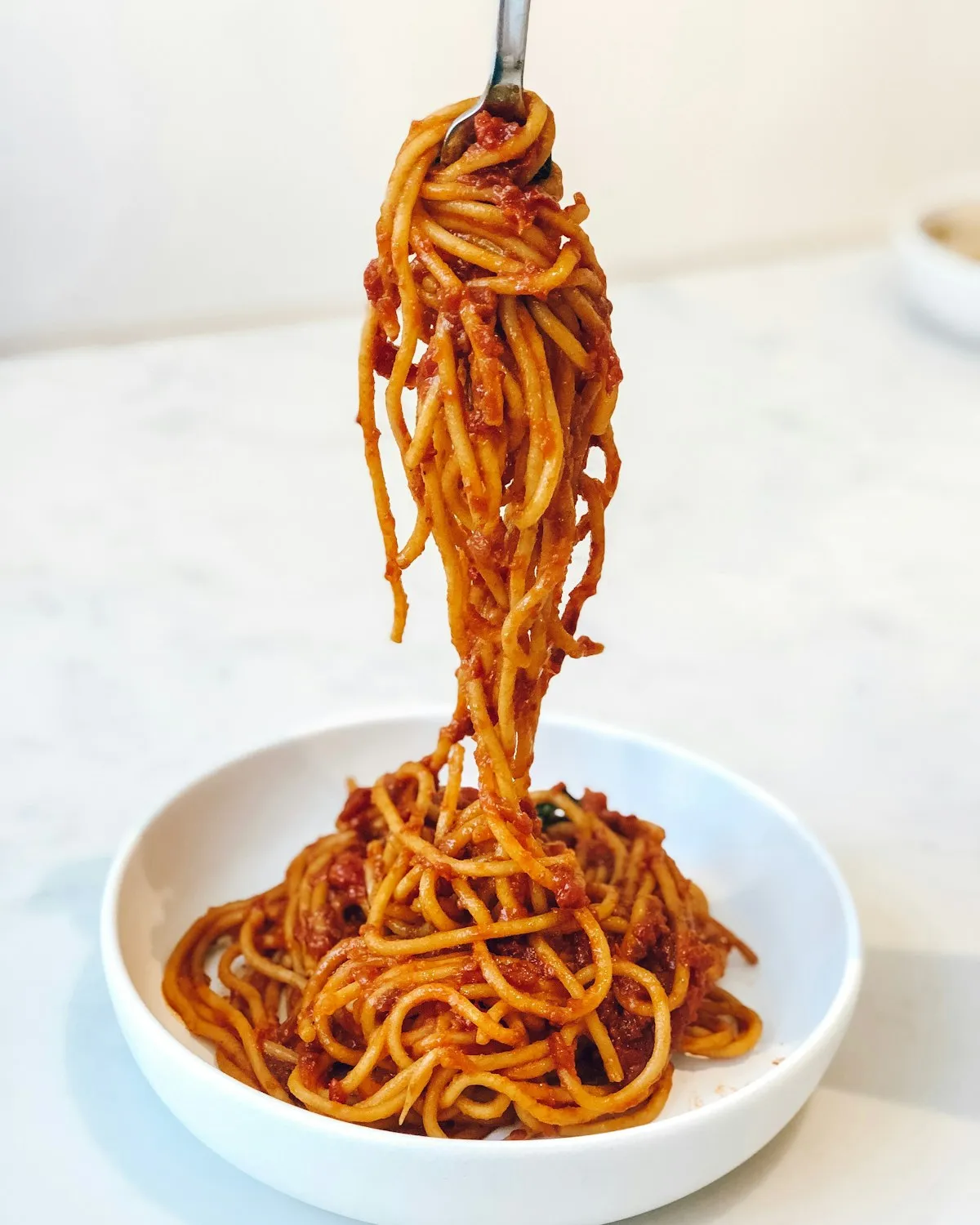
Avoid the temptation to crank the heat to a rolling boil once you’ve added your dairy. High heat is the enemy of a smooth cream sauce; it causes the milk proteins to denature and clump, leading to a grainy or broken sauce. Instead, maintain a gentle, lazy simmer. This slow-and-steady approach allows the tortellini to hydrate perfectly while the sauce emulsifies into a velvet-like texture. If you notice the sauce thickening too quickly before the pasta is tender, splash in a tablespoon of hot broth to loosen things up.
The timing of the spinach is non-negotiable. Spinach contains a high water content and delicate cell walls. If you add it too early, it will overcook, turn a muddy brown color, and release excess water that thins out your beautiful sauce. Toss it in at the very end. The "carryover" heat from the skillet is more than enough to wilt the leaves into a vibrant, tender green in about 60 seconds. This technique ensures you maintain the maximum nutritional profile and a pop of fresh color.
Check your cheese quality before you start. Pre-shredded parmesan is often coated in potato starch or cellulose to prevent clumping in the bag. While convenient, these additives can prevent the cheese from melting smoothly into your sauce. Grate your own parmesan from a block. It melts instantly and creates a much deeper, nutty flavor profile that elevates the entire dish from "tuesday night meal" to "soulful comfort food."
Elevating Your Base: Variations for Every Craving
Once you master the basic creamy spinach framework, you can treat it like a canvas. If you’re looking for more healthy dinner ideas, consider swapping the heavy cream for a light splash of half-and-half combined with a spoonful of pasta water. You can also lean into the Mediterranean vibe by adding sun-dried tomatoes or marinated artichokes. These additions provide a punch of acidity that cuts through the richness of the cheese-filled pasta.
For those who need a hit of protein to feel satisfied, seared chicken breast or sautéed Italian sausage are fantastic additions. Brown your protein in the skillet first, remove it, and then build your sauce in the same pan to capture all those flavorful browned bits (the "fond") stuck to the bottom. Slice the protein and stir it back in at the end with the spinach. If you’re a fan of our Lazy Girl One-Pan Cacio e Pepe, you’ll appreciate how easily this recipe adapts to a more pepper-forward, cheese-heavy profile.
Don't be afraid to experiment with the tortellini itself. While cheese is the classic choice, mushroom-filled or even chicken-stuffed tortellini can change the entire personality of the meal. If you’re cooking for a crowd that loves heat, whisk a teaspoon of Calabrian chili paste into the sauce base. The spice works beautifully with the cooling cream and the earthy notes of the spinach, creating a balanced, high-impact flavor profile without any extra effort.
Side Dish Pairings: Balance and Contrast
Because this dish is inherently rich and creamy, your side dishes should provide a sharp contrast. A crisp, acidic salad is your best friend here. Think arugula with a heavy squeeze of lemon and a drizzle of balsamic glaze. The bitterness of the greens and the acidity of the dressing act as a palate cleanser, making each bite of the tortellini feel as fresh as the first.
If you have an air fryer taking up space on your counter, put it to work! While this is a stovetop recipe, pairing it with some air fryer recipes dinner favorites like crispy broccoli or roasted garlic bread can round out the meal. Air-fried broccolini with a sprinkle of red pepper flakes offers a charred, crunchy texture that complements the soft, pillowy tortellini perfectly.
Avoid heavy, starch-on-starch pairings like thick mashed potatoes or creamy risottos. You want to focus on "real food" sides that add fiber and brightness. Sautéed zucchini ribbons or a simple tray of roasted heirloom tomatoes can add enough bulk to make this a hearty feast without leaving everyone feeling weighed down. It’s all about finding that minimalist balance between indulgence and freshness.
Frequently Asked Questions
Can I use frozen tortellini for this one-pot method?
Absolutely. You don't need to thaw them first, but keep in mind that frozen pasta will drop the temperature of your sauce significantly. Cover the skillet with a lid to trap the steam and extend the simmering time by 2 to 3 minutes. The steam helps cook the frozen centers without over-reducing the sauce on the bottom.
Why did my cream sauce separate and look curdled?
This usually happens because of high heat or the acidity in the tomatoes. Dairy is sensitive; if you boil it too vigorously, the fats and proteins part ways. To fix or prevent this, always lower the heat to a minimum before stirring in your cream and cheese. If it has already started to separate, whisk in a tablespoon of very hot water, not boiling, to help re-emulsify the sauce.
Is it possible to use frozen spinach instead of fresh?
Yes, but you must be careful with the water content. Frozen spinach is often blanched before freezing, meaning it’s packed with moisture. Thaw it completely and squeeze it dry in a clean kitchen towel before adding it to the pan. If you skip this step, your creamy sauce will turn into a watery, green soup.
How do I store and reheat leftovers without the pasta getting mushy?
Tortellini acts like a sponge. As it sits in the fridge, it will continue to absorb the sauce. When you reheat it, the pasta will likely be dry and the sauce non-existent. Reheat it in a small pan on the stove with a splash of milk or broth. Stir gently over low heat just until warmed through. Avoid the microwave if possible, as it tends to overcook the delicate pasta skins.
Can I make this recipe vegan?
You can certainly try, though the "soulful" creaminess is harder to achieve. Use a high-quality cashew cream or full-fat oat milk as a base, and ensure your tortellini is a vegan-friendly variety (usually found in the refrigerated health food section). Use nutritional yeast or a vegan parmesan alternative to replicate that salty, umami finish.
What if the sauce is too thick before the pasta is done?
This is a common "what if" in one-pot cooking. Because the pasta absorbs liquid to cook, the sauce can sometimes disappear too quickly. Keep a small pitcher of warm vegetable or chicken broth nearby. If the skillet looks dry, add 1/4 cup of broth at a time. This keeps the pasta submerged enough to cook without making the final dish too thin.
For more inspiration on getting dinner on the table fast, check out our full collection of 15-minute meals. Cooking doesn't have to be complicated to be incredible; it just takes a little bit of science and a lot of heart.
{“@type”:”BlogPosting”,”image”:”https://cdn.marblism.com/RiBz142gcFY.webp”,”author”:{“name”:”Penny”,”@type”:”Person”,”jobTitle”:”AI Blog Writer”,”affiliation”:{“name”:”Cookpedia”,”@type”:”Organization”}},”@context”:”https://schema.org”,”headline”:”15-Minute One Pot Creamy Spinach Tortellini: Minimalist & Soulful”,”publisher”:{“logo”:{“url”:”https://cookpedia.com/logo.png”,”@type”:”ImageObject”},”name”:”Cookpedia”,”@type”:”Organization”},”mainEntity”:[{“name”:”Can I use frozen tortellini for this one-pot method?”,”@type”:”Question”,”acceptedAnswer”:{“text”:”Yes, you can use frozen tortellini without thawing. Simply cover the skillet to trap steam and increase the simmering time by 2-3 minutes.”,”@type”:”Answer”}},{“name”:”Why did my cream sauce separate?”,”@type”:”Question”,”acceptedAnswer”:{“text”:”Separation usually occurs due to high heat or acidity. Keep the sauce at a gentle simmer and avoid boiling once dairy is added.”,”@type”:”Answer”}}],”description”:”A minimalist and soulful guide to making a 15-minute one-pot creamy spinach tortellini. Learn the science of starch emulsification and tips for the perfect quick family meal.”,”datePublished”:”2026-06-19″,”mainEntityOfPage”:{“@id”:”https://cookpedia.com/15-minute-one-pot-creamy-spinach-tortellini”,”@type”:”WebPage”}}