Recipe
Servings
Servings 1×
Ingredients
- Salmon
- Ground turkey
- Beans
- Rolled oats
- Eggs
- Greek yogurt
- Bread
- Apple
- Berries
- Lemon
- Lime
Method
- Use this technique every single time.
- Keep your layers distinct.
- Use a spoon to gently "float" the yogurt over the fruit.
- Use blackberries and raspberries, which are lower in sugar, and swap the traditional oat-based granola for toasted pumpkin seeds, flax seeds, and walnuts.
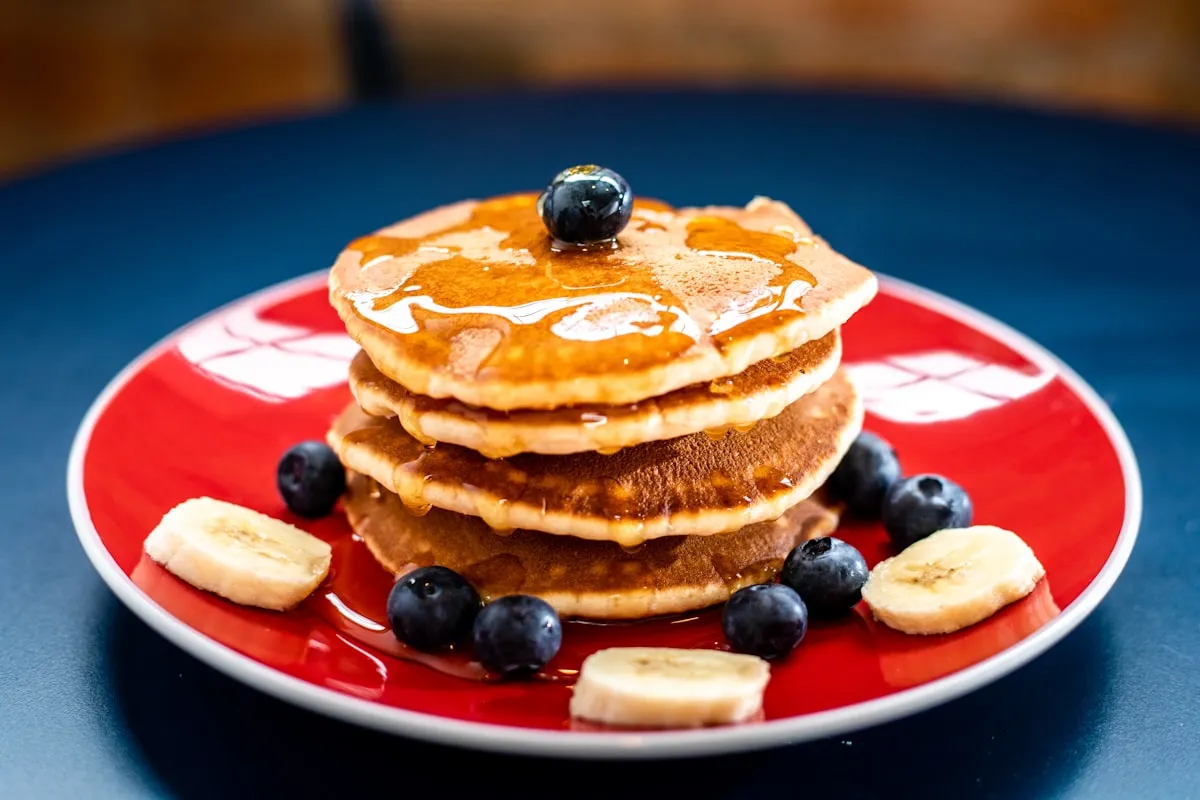
If you think a parfait is just yogurt and fruit thrown into a glass, I’m here to tell you that you’ve been missing out on a serious culinary upgrade. I’ve spent years perfecting the balance of texture and sweetness, and this 15-minute mixed berry and Greek yogurt parfait is the result of that obsession. It’s the ultimate solution when you need something fast, nutritious, and undeniably delicious. Whether you’re fueling up for a long day or looking for a light finish after one of our healthy dinner ideas, this dish is a non-negotiable for your kitchen rotation.
The Science of the Perfect Scoop: Maceration and Moisture
To get a parfait that actually tastes like it came from a high-end bistro, you have to understand the science of maceration. This is the secret weapon in my kitchen. When you toss fresh berries with a tiny bit of sugar or citrus juice, you aren't just sweetening them; you’re triggering osmosis. The sugar draws the water out of the fruit’s cells, creating a natural, glossy syrup that infuses the yogurt with flavor.
Use this technique every single time. Avoid just throwing dry berries on top of your yogurt. If you let those berries sit for even five minutes while you prep the rest, the cell walls break down slightly, and you get a much more cohesive bite. Check your berries for ripeness, if they are out of season and a bit tart, give them a few extra minutes of maceration time to help those flavors develop.
Next, let’s talk about the yogurt itself. Not all yogurts are created equal. I demand high-protein Greek yogurt for this recipe because of its density. The science here is all about syneresis, the expulsion of liquid from a gel. If you use a thin, watery yogurt, the weight of the berries and granola will cause the layers to collapse into a soggy mess. Choose a strained yogurt that holds its shape. If you see liquid on top of your yogurt container (that’s the whey), stir it back in for nutrients or strain it out if you want an ultra-thick consistency.
Keep your layers distinct. Use a spoon to gently "float" the yogurt over the fruit. This isn't just for looks; it prevents the granola from coming into direct contact with the berry juice too early. There is nothing worse than soggy granola. If you’re looking for quick family meals that satisfy the kids and the adults, the structural integrity of your breakfast matters more than you think. Build it right, and it stays crisp until the last bite.
Flavor Profiles and Structural Variations
The beauty of a parfait is its versatility, but you must maintain the balance of acidity and sweetness. If your berries are incredibly sweet, increase the acidity in your yogurt by adding a splash of lemon zest. If you’re leaning into a more decadent vibe, a touch of vanilla bean paste in the yogurt layer provides a scientific aromatic boost that tricks your brain into thinking the dish is sweeter than it actually is.
For a tropical twist, swap the berries for macerated mango and lime. The lime juice provides the necessary acid to cut through the fattiness of a full-fat Greek yogurt. Alternatively, go for a "spiced orchard" version by using sautéed apples with cinnamon. While we often talk about air fryer recipes dinner for the main course, you can actually use an air fryer to toast your own nuts or seeds for a custom crunchy layer.
If you’re watching your carb intake, focus on a keto-friendly variation. Use blackberries and raspberries, which are lower in sugar, and swap the traditional oat-based granola for toasted pumpkin seeds, flax seeds, and walnuts. The high fat content in the nuts will keep you satiated much longer than simple sugars would. Always prioritize texture variety; a mix of soft fruit, creamy dairy, and hard crunch is what makes the eating experience satisfying.
Mastering the Morning Balance: Pairings
A parfait is a powerhouse on its own, but pairing it correctly turns a snack into a full-scale breakfast event. Because this dish is rich in protein and probiotics, you want to pair it with something that offers a different textural or temperature contrast.
Think about serving this alongside a warm, savory element. A simple soft-boiled egg or a few slices of high-quality turkey bacon can provide the salty counterpoint to the sweet berries. If you’re hosting a brunch, serve these in smaller glasses alongside a spread of smoked salmon and capers. The acidity in the berries cleanses the palate after the richness of the fish.
Don’t forget the beverage side of the equation. A dark, slightly bitter roast of coffee or a nutty matcha latte works wonders here. The tannins in tea or coffee help to cut through the coating that dairy can leave on the tongue, making every spoonful of the parfait taste as fresh as the first.
Frequently Asked Questions
Why does my parfait get watery if I make it the night before?
This is a classic case of moisture migration. The berries contain water, and the yogurt contains whey. Over time, the sugar in the berries continues to draw out moisture, and the yogurt may undergo syneresis. To prevent this, place a thin layer of "barrier" ingredients, like a few whole, un-cut berries, between the yogurt and the macerated fruit. Or, better yet, prep the components separately and assemble them in the morning.
Can I use frozen berries for this?
Yes, but you have to be careful with the liquid. Frozen berries release significantly more juice than fresh ones because the freezing process ruptures the cell walls. Use this to your advantage! Mix the frozen berries with a little chia seeds. The seeds will absorb the excess juice and turn it into a jam-like consistency that layers beautifully without making the yogurt runny.
Is it really "healthy" if I'm adding sugar to the berries?
The amount of sugar used for maceration is typically very small: think one teaspoon for a whole bowl of fruit. The goal isn't to make candy; it's to release the natural juices. If you're concerned, use a natural sweetener like honey or even just a squeeze of orange juice. The acid in the citrus will help break down the fruit similarly to how sugar does.
How do I keep the granola from getting soft?
The rule is simple: granola never touches the wet fruit directly. Always use a layer of thick yogurt as a buffer. If you are taking this to go, I recommend keeping the granola in a separate small container or the lid of your jar and adding it only at the moment you are ready to eat. Science dictates that oats will eventually absorb moisture from the air and the dairy; you can't fight physics, but you can delay it.
Can I use a dairy-free alternative?
Absolutely, but look for a high-fat coconut or almond milk yogurt. Many dairy-free yogurts are thickened with gums and starches rather than through traditional straining, which means they can be thinner. Check the label for protein content: if it's low, add a spoonful of almond butter to the yogurt layer to give it more body and staying power. This ensures your quick family meals are actually filling enough to get everyone through the morning.