Recipe
Servings
Servings 1×
Ingredients
- Rolled oats
- Eggs
- Greek yogurt
- Berries
- Fresh ginger
- Lemon
Method
- Prepare the ingredients described in the article and heat the cooking surface or oven as directed.
- Cook the main ingredients using the heat and timing guidance in the article.
- Finish with the seasonings and garnishes named in the article, then serve.
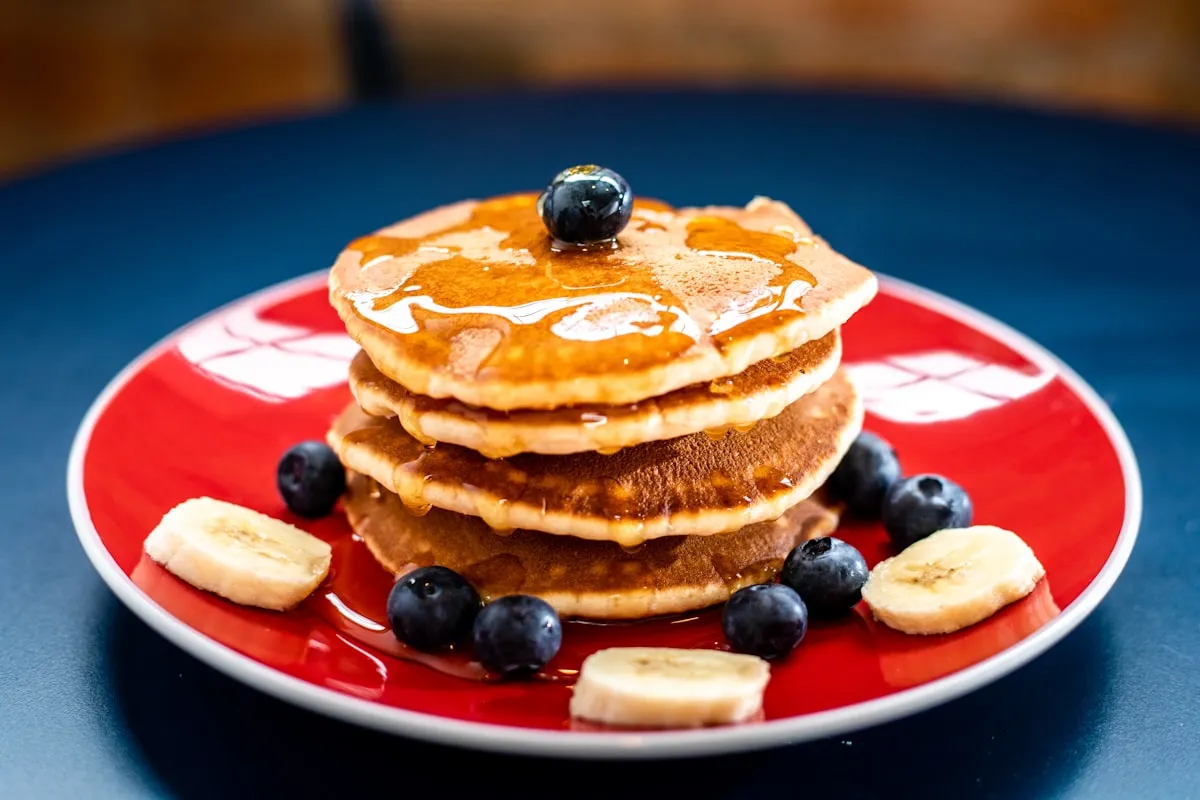
There is a specific kind of morning chaos that only a pre-made muffin can solve. You know the one, where the coffee hasn't kicked in, the keys are missing, and the clock is ticking faster than usual. My kitchen has seen its fair share of "grab-and-go" disasters, but these muffins have changed the game. They are the ultimate addition to your rotation of easy healthy breakfasts, offering a dense, satisfying texture that keeps you full without the sugar crash of a bakery muffin. Forget the dry, crumbly pucks you might associate with "healthy" baking; we’re aiming for moist, berry-bursting glory.
The Science of the Soak and the Secret to Fluff
When you bake with oats, you are dealing with a grain that loves to play hard to get with moisture. Unlike all-purpose flour, which hydrates almost instantly, oats are fibrous and stubborn. If you simply toss dry oats into a batter and bake them, they will spend their time in the oven stealing moisture from the surrounding cake. The result? A muffin that feels like eating wet sawdust. To avoid this, you must prioritize the "soak." By letting your oats sit in the liquid components, usually your milk and eggs, for at least ten minutes, you allow the starches to soften and the fibers to relax. This creates a structural foundation that is tender rather than chewy.
Leavening is another area where home cooks often stumble. In this recipe, the interaction between your acidity and your lifting agents is crucial. If you use a liquid with a bit of tang, like buttermilk or even a splash of lemon juice in your milk, it reacts with the baking soda to create carbon dioxide bubbles. These bubbles are what give your muffin that beautiful, domed top. Avoid over-mixing once you combine these elements! Every stir after the flour meets the liquid is a risk. Over-mixing develops gluten, and while gluten is great for a chewy sourdough, it is the mortal enemy of a light, airy muffin. Use a spatula and fold gently until the dry streaks just disappear.
Then, there is the "Blueberry Bleed." We’ve all seen those muffins that look more like an alien landscape of gray and green because the berries burst and dyed the whole batch. To master the physics of the fruit, toss your berries in a tiny amount of flour before adding them to the batter. This light coating acts as a friction barrier, preventing the berries from sinking to the bottom of the liner. It also helps absorb some of the juices as they heat up and expand, keeping the surrounding crumb golden and clean.
Finally, consider the temperature of your oven. Start high. Many bakers swear by starting the oven at a higher temperature for the first five minutes before dropping it down. This "thermal shock" causes the leavening agents to react aggressively, pushing the batter upward before the crust sets. It’s the difference between a flat, sad muffin and one that looks like it belongs in a professional pastry case.
Customizing Your Morning Routine
Once you have the base of this recipe down, you can start treating it like a blank canvas. While blueberries are the classic choice, the oat-heavy batter is incredibly resilient to variations. If you prefer a bit of crunch, try folding in toasted walnuts or sunflower seeds. The healthy fats in the nuts complement the complex carbohydrates of the oats, making this one of those easy healthy breakfasts that actually sustains you through a long morning of meetings or errands.
For those looking to dial up the brightness, add a tablespoon of fresh lemon zest and a pinch of ginger to the dry ingredients. The acidity of the lemon cuts through the heartiness of the oats, making the whole muffin feel lighter on the palate. If you are managing a household with different dietary needs, you can easily swap the traditional milk for almond or oat milk. Just ensure your substitute has a similar consistency to dairy; thin, watery nut milks might require you to reduce the total liquid slightly to keep the batter from becoming too runny.
If you are a fan of quick family meals that work for more than one occasion, consider doubling the batch. These muffins aren't just for breakfast; they make excellent afternoon snacks or even a semi-sweet side for a brunch spread. You can even experiment with adding a scoop of your favorite protein powder, just be sure to add an extra tablespoon of liquid for every scoop of powder, as protein supplements are notorious for drying out baked goods.
Perfect Pairings for a Balanced Plate
While a single muffin is great, a truly satisfying meal is all about balance. To turn this into a complete nutritional powerhouse, pair your muffin with a source of high-quality protein. A dollop of Greek yogurt on the side, or even used as a "frosting", adds a creamy contrast to the textured oat crumb. The probiotics in the yogurt and the fiber in the muffins make for a very happy digestive system.
If you have a bit more time, a side of scrambled eggs or even some air fryer recipes dinner leftovers like roasted sausages can work. I know it sounds unconventional, but the sweet-and-savory combo is a staple for a reason. For drinks, a dark roast coffee or a robust black tea stands up well to the richness of the oats. If you’re leaning into the fruity side, a hibiscus tea or a simple glass of cold-pressed orange juice will highlight the tartness of the blueberries.
Remember, the goal of Cookpedia is to make your life in the kitchen simpler. Whether you’re looking for healthy dinner ideas or the perfect morning start, it’s all about using real ingredients in ways that respect their natural properties.
Frequently Asked Questions
Why did my muffins turn out soggy in the middle?
Soggy centers are usually the result of one of two things: under-baking or too much fruit. While we love a "bursting with berries" look, too much moisture from the fruit can overwhelm the batter's ability to set. Stick to the recommended ratio. Additionally, check your oven temperature with an external thermometer. If your oven runs cool, the outside will look done while the inside remains a gummy mess.
Can I use frozen blueberries instead of fresh?
Yes, you absolutely can, but do not thaw them first! Thawing frozen berries turns them into a watery, purple soup that will ruin your batter. Use them straight from the freezer and toss them in flour just like you would with fresh berries. Be aware that frozen berries may increase your baking time by two or three minutes because they lower the initial temperature of the batter.
How do I store these to keep them from getting sticky?
Oatmeal muffins are high in moisture, which means they can get "sweaty" if stored incorrectly. Avoid sealing them in a plastic bag while they are still even slightly warm. Let them cool completely on a wire rack. Once cold, store them in a container lined with a paper towel to absorb any excess moisture. They will stay fresh at room temperature for about two days, or in the fridge for up to a week.
Can I freeze these for later?
Absolutely. These are perfect for meal prepping. Wrap each muffin individually in plastic wrap and then place them all in a large freezer bag. They will stay good for up to three months. To reheat, just pop one in the microwave for about 30-45 seconds, or put it in a toaster oven for five minutes to restore that "just baked" crispness to the top.
Why didn't my muffins rise?
If your muffins are flat, your leavening agents (baking powder or soda) might be expired. These ingredients lose their potency over time. You can test your baking powder by putting a teaspoon of it in hot water; if it bubbles vigorously, it's still good. Also, ensure you didn't skip the "soak" step mentioned earlier: un-hydrated oats are heavy and can weigh down the batter, preventing a proper rise.
Is it better to use muffin liners or grease the tin?
For these specific muffins, I recommend high-quality paper liners. Because of the honey and the fruit juices, these muffins can be quite sticky. Liners ensure you don't lose half of your muffin to the bottom of the tin. If you prefer no liners, use a heavy coating of butter or a non-stick spray and allow the muffins to cool for at least ten minutes before attempting to pop them out.