Recipe
Servings
Servings 1×
Ingredients
- Chicken
- Shrimp
- Chickpeas
- Greek yogurt
- Greens
- Tomatoes
- Onion
- Lemon
- Mustard
- Feta
- Cooking oil
- Salt
- Black pepper
Method
- Let’s talk science for a second, because understanding your ingredients is the difference between a soggy mess and a masterpiece.
- Rinse them until the water runs clear and, more importantly, dry them.
- Use a clean kitchen towel and give them a gentle pat-down.
- Let the whole salad sit for at least five to ten minutes before serving.
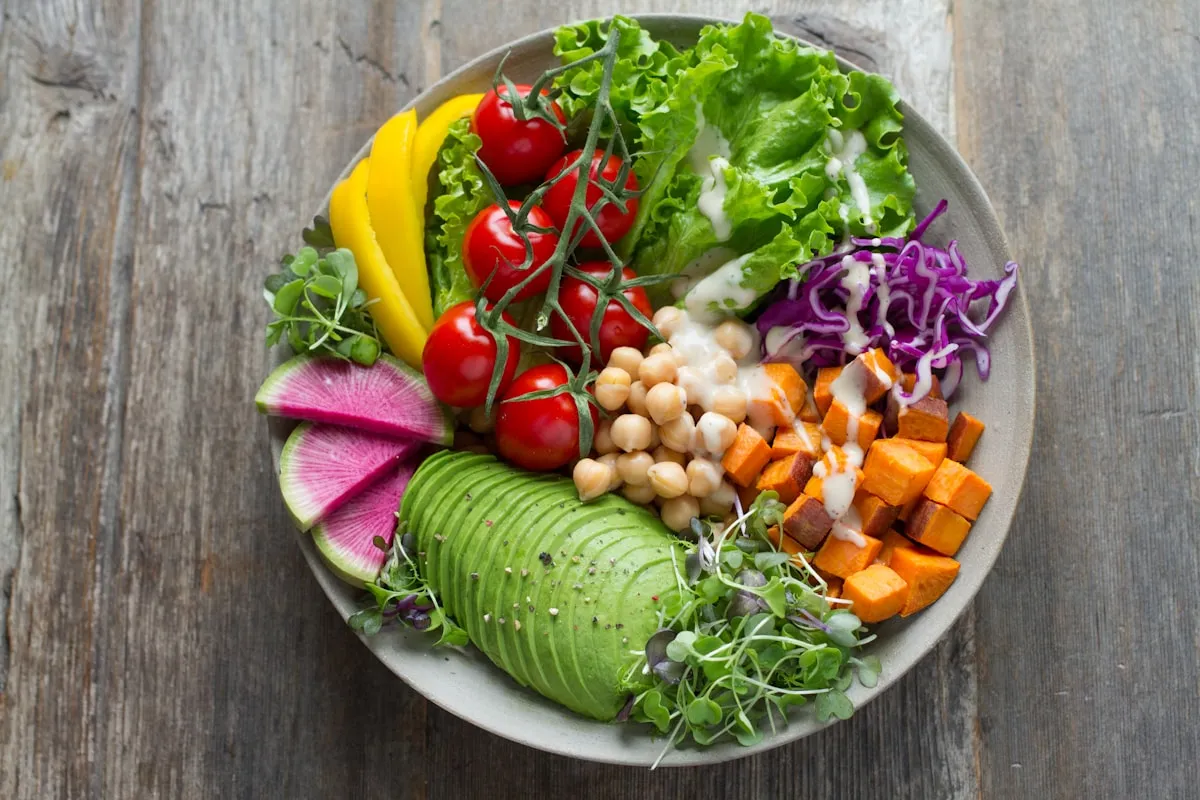
If you’re staring at your pantry with that glazed look that usually precedes ordering pizza, stop right there. You don’t need an hour, and you definitely don't need a culinary degree to pull off something that tastes like a vacation in Santorini. This Greek Chickpea Salad is the ultimate "I’m too busy to cook" hack that actually nourishes your soul. It’s vibrant, crunchy, and packs enough protein to keep you from snacking on cereal at 10 PM. Forget the wilted lettuce salads of your past; we’re talking about real food that hits the table faster than a delivery driver can find your doorbell.
The Architecture of a Legume Base
Let’s talk science for a second, because understanding your ingredients is the difference between a soggy mess and a masterpiece. Chickpeas are the sturdy anchors of this dish. Unlike leafy greens that surrender the moment they touch dressing, chickpeas have a robust structure that thrives under acidity.
When you use canned chickpeas, you must rinse them: no exceptions. That viscous liquid in the can, known as aquafaba, is great for vegan meringues, but it’s a flavor-killer in a fresh salad. It carries a metallic, starchy aftertaste that will muddle your dressing. Rinse them until the water runs clear and, more importantly, dry them. If your chickpeas are wet, your vinaigrette won’t cling to them. It will slide right off and pool at the bottom of the bowl. Use a clean kitchen towel and give them a gentle pat-down.
The texture of the other vegetables matters just as much. Aim for a "uniform dice." When your cucumbers, tomatoes, and onions are roughly the same size as the chickpeas, you get a perfect "everything bite" every single time. This consistency isn't just for aesthetics; it ensures that the surface area of each ingredient is evenly coated with your dressing. This is one of those quick family meals that relies on simple mechanics to deliver complex results.
The Physics of a Perfect Vinaigrette
A great Greek dressing is a temporary emulsion. You have water (lemon juice and vinegar) and fat (extra virgin olive oil) that naturally want to stay apart. To force them into a committed relationship, you need an emulsifier. Enter: Dijon mustard.
The mustard acts as a bridge, with molecules that love water on one side and oil on the other. It holds the dressing together so it stays creamy and cohesive rather than separating into greasy streaks. Follow the 1:3 ratio: one part acid to three parts oil. This balance ensures the dressing is sharp enough to cut through the richness of the feta but smooth enough to coat the palate without causing a pucker.
Also, check your salinity. Feta cheese is essentially a salt sponge. Because you’re adding generous crumbles of feta, go light on the salt in the dressing initially. You can always add more, but you can’t take it out once the cheese starts releasing its brine into the mix. If you are looking for healthy dinner ideas that don't skimp on flavor, mastering this balance is your secret weapon.
Why Time is Your Secret Ingredient
While this is a 15-minute meal, the "marination effect" is real. When you toss the red onions in the dressing first, the acid in the lemon juice and vinegar begins to break down the harsh sulfur compounds in the onion. This process, often called "macerating," mellows the bite and turns the onion slightly sweet and translucent.
Let the whole salad sit for at least five to ten minutes before serving. This allows the chickpeas to absorb some of the vinaigrette, softening their outer skin just enough to let the flavors penetrate the creamy interior. It’s a small step that transforms a pile of vegetables into a cohesive dish.
Flavor Variations and Swaps
The beauty of a Mediterranean base is its versatility. If you’ve spent all week browsing air fryer recipes dinner ideas and want something fresh to go alongside a piece of crispy protein, this salad is your best friend.
- The Protein Power-Up: Toss in some grilled shrimp or shredded rotisserie chicken. The acidity of the salad acts like a secondary seasoning for the meat, brightening up the entire plate.
- The Creamy Twist: Swap half the olive oil for a dollop of Greek yogurt in the dressing. This creates a "creamy Greek" vibe that feels more like a slaw and pairs beautifully with spicy dishes.
- The Vegan Route: If you’re skipping the feta, increase the amount of Kalamata olives and add a pinch of nutritional yeast. You’ll get that salty, umami hit without the dairy.
- The Heat Factor: Add a pinch of red pepper flakes or some diced Peppadew peppers. The sweetness of the peppers balances the sharp vinegar, creating a more complex flavor profile.
Side Dish Pairings for a Balanced Plate
Balance is everything in cooking. Since this salad is cold, acidic, and crunchy, you want to pair it with something warm, savory, and perhaps a bit soft.
Warm pita bread is a non-negotiable. Brush it with a little olive oil and dust it with za'atar before throwing it in the oven for three minutes. The warmth of the bread provides a beautiful temperature contrast to the chilled salad.
If you want a more substantial meal, serve this alongside a roasted lemon-herb chicken or a piece of seared salmon. The fat in the fish or poultry is perfectly countered by the high acidity of the chickpea dressing. If you're looking for more inspiration, check out our collection of accessible recipes for ideas on how to round out your weekly menu.
Frequently Asked Questions
Can I make this salad ahead of time for meal prep?
Absolutely. In fact, this salad holds up better than almost any other. Because chickpeas and cucumbers are structurally sound, they won't turn into mush overnight. Store the salad in an airtight container in the fridge for up to three days. Just give it a quick stir before eating to redistributed the dressing that may have settled at the bottom.
My dressing tastes too oily. How do I fix it?
If your dressing feels heavy on the tongue, you likely haven't used enough acid. Add another squeeze of fresh lemon juice or a teaspoon of red wine vinegar. Acidity "lifts" the flavors and makes the fat feel lighter. Remember, the 1:3 ratio is a guide, but your palate is the ultimate judge.
Why do my chickpeas taste "dusty" or dry?
This usually happens if the chickpeas haven't had enough time to sit in the dressing or if they were over-dried. Make sure you're using high-quality canned chickpeas (or properly soaked dried ones). If they still feel dry, add a tablespoon of the feta brine: the liquid from the cheese container: to the dressing. It adds moisture and a massive punch of flavor.
Can I use different beans?
You can, but the texture will change. Cannellini beans are much softer and creamier; they tend to break down if you stir the salad too vigorously. Kidney beans are a bit tougher and have a more earthy flavor. Chickpeas are the gold standard here because of their "pop" and ability to hold their shape.
Is this salad actually filling enough for dinner?
On its own, it’s a light dinner. However, because chickpeas are loaded with fiber and protein, they have a high satiety index: meaning they keep you full longer than a simple green salad would. To make it a "heavy" dinner, follow the air fryer recipes dinner trick and toss in some air-fried halloumi or falafel.
How do I stop the red onions from being too overpowering?
Soak the sliced onions in a bowl of ice water for ten minutes before adding them to the salad. This leaches out the harsh compounds while keeping the onion's crunch. Dry them thoroughly before tossing them in the dressing. This is a game-changer for anyone who usually finds raw onions too aggressive.