Recipe
Servings
Servings 1×
Ingredients
- Chicken
- Salmon
- Shrimp
- Ground turkey
- Tofu
- Chickpeas
- Black beans
- White beans
- Beans
- Quinoa
- Noodles
- Rice
- Eggs
- Tortillas
- Bread
- Greens
- Corn
- Cucumber
Method
- Let's look at how to master the art of the no-cook meal.
- Use more acid (citrus or vinegar) and a pinch more salt than you think you need.
- Use a stabilizer like mustard or honey to bind your oil and vinegar.
- Start with a base, add a ready-to-eat protein, and finish with a punchy dressing.
- Mix soft ingredients like avocado with crunchy elements like radishes.
- Use lettuce leaves, rice paper, or flour tortillas as your vessel.
When the thermostat hits triple digits, the last thing you want is a hot stove turning your kitchen into a sauna. I’ve been there, standing in front of the fridge, hoping a gourmet meal will materialize so I don’t have to touch a burner. While I usually lean on my favorite air fryer recipes dinner for speed, some days are just too sweltering for even that. You need a strategy for assembly-only eating that doesn't feel like a compromise. Let's look at how to master the art of the no-cook meal.
The Science of Cold: Why Technique Still Matters
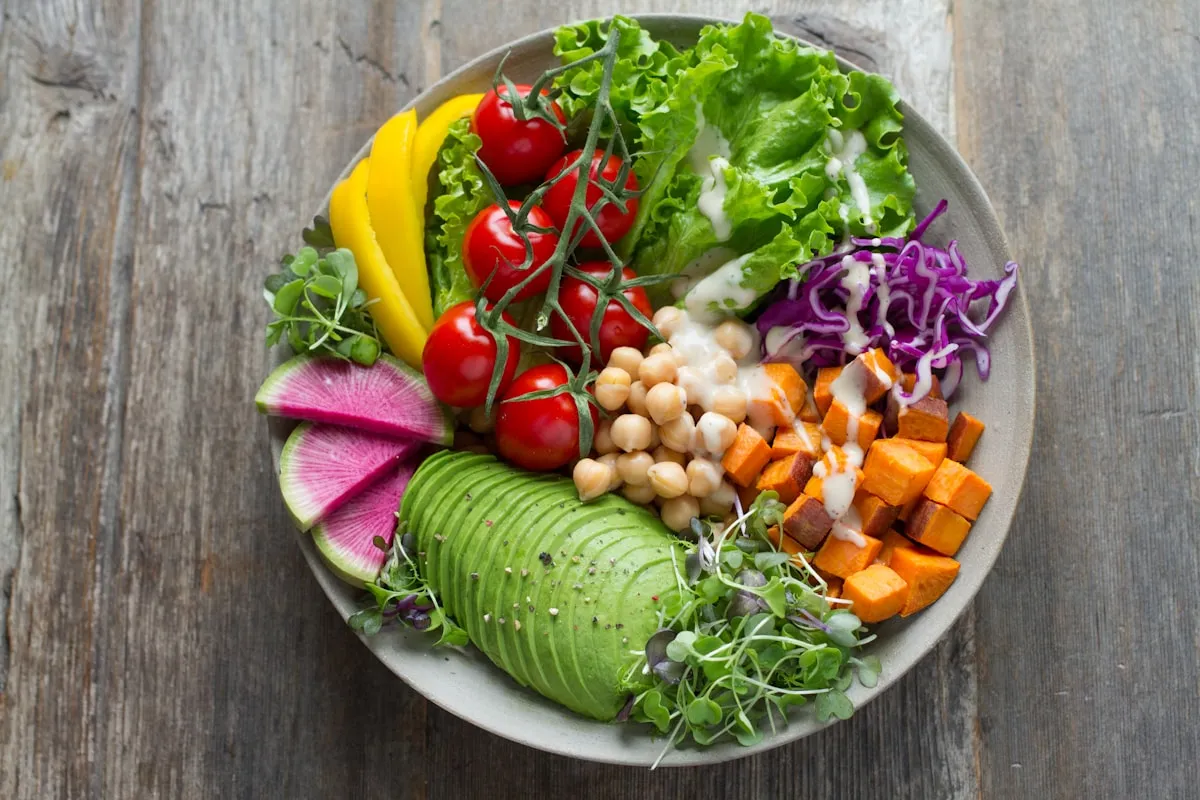
Cooking with heat is essentially about using energy to break down fibers and change proteins. When you remove heat, you must rely on other scientific levers: acidity, salt, and osmosis. These are your primary tools for creating healthy dinner ideas that actually taste like real food rather than just a pile of wet leaves.
Mastery of Osmosis
Understand that salt is a magnet for water. When you sprinkle salt on a cucumber or a sliced tomato, you are triggering osmosis. The salt draws moisture out of the vegetable's cells. For a quick salad, this can be a disaster if you salt too early, as it turns your bowl into a soup. However, use this to your advantage for "no-cook" tenderizing. Salt thinly sliced cabbage or sturdy greens fifteen minutes before serving. This softens the rigid cell walls without heat, giving you a texture that mimics a light sauté.
Flavor Suppression and Temperature
Cold temperatures suppress your taste buds’ ability to perceive sweetness and saltiness. This is a crucial scientific hurdle. If you serve a dish straight from the fridge, it will taste bland compared to the same dish at room temperature. Compensate for this by over-seasoning your cold dressings. Use more acid (citrus or vinegar) and a pinch more salt than you think you need. Acid doesn't just add brightness; it actually lowers the pH of the food, which can help "cook" or denature proteins in things like ceviche or marinated tofu.
The Emulsion Equation
Since fats like olive oil and tahini firm up when chilled, your dressings need to be perfectly emulsified. Use a stabilizer like mustard or honey to bind your oil and vinegar. This creates a creamy coating that clings to your ingredients rather than sliding off to the bottom of the bowl. Aim for a thick, velvety consistency that protects your greens from wilting too quickly.
Protein Denaturation
If you are working with raw fish or certain plant proteins, remember that acid tenderization is your friend. High-acid marinades change the structure of proteins, making them firmer and more opaque. While this doesn't kill bacteria the way heat does, it provides the "bite" and texture we associate with cooked food. Always use high-quality, fresh ingredients when relying on this method.
50+ No-Cook Variations for Every Night
Creating quick family meals during a heatwave requires a "mix and match" mindset. Start with a base, add a ready-to-eat protein, and finish with a punchy dressing. Here are over fifty ways to assemble dinner without ever striking a match.
The Chopped Salad Collective (1-10)
Focus on texture. Mix soft ingredients like avocado with crunchy elements like radishes.
- Mediterranean Chickpea & Feta
- Modern Cobb with Rotisserie Chicken
- Thai-Style Cabbage & Peanut
- Classic Italian Antipasto
- Watermelon & Mint with Balsamic
- Southwestern Black Bean & Corn
- Cucumber & Sesame Seaweed
- Green Apple & Walnut Blue Cheese
- Shaved Brussels Sprouts & Pecan
- Traditional Greek Village Salad (Horiatiki)
Wraps, Rolls, and Tacos (11-20)
Use lettuce leaves, rice paper, or flour tortillas as your vessel.
11. Buffalo Chicken Lettuce Wraps
12. Shrimp & Avocado Spring Rolls
13. Mango & Black Bean Soft Tacos
14. Hummus & Veggie Collard Wraps
15. Smoked Salmon & Cream Cheese Pinwheels
16. Deli Turkey & Cranberry Wraps
17. Curried Tuna Salad Pitas
18. Spicy Tofu Summer Rolls
19. Roast Beef & Horseradish Tortillas
20. Caesar Salad Chicken Wraps
Power Bowls & Grain Hacks (21-30)
Use pre-cooked frozen grains or "soak-only" options like couscous or bulgur.
21. Spicy Tuna Poke Bowl
22. California Roll Deconstructed Bowl
23. Mediterranean Quinoa Bowl (using pre-steamed quinoa)
24. Peanut Noodle Bowl (using soaked rice vermicelli)
25. Smoked Trout & Potato Bowl
26. Falafel & Hummus Meze Bowl
27. Blackened Shrimp & Avocado Bowl
28. Teriyaki Tofu & Edamame Bowl
29. Kimchi & Fried Egg Bowl (using pre-boiled eggs)
30. Italian Farro & Arugula Bowl
Sandwiches, Toasts, and Panzanellas (31-40)
The secret here is high-quality bread and bold spreads.
31. Classic Caprese Sourdough
32. Smashed Chickpea "Tuna" Salad
33. Prosciutto & Melon Open-Faced Toast
34. Panzanella with Heirloom Tomatoes
35. Egg Salad with Fresh Dill
36. Avocado & Radish on Rye
37. Roast Turkey & Fig Jam Baguette
38. Shrimp Salad on Brioche
39. Roast Beef & Blue Cheese Sliders
40. Ricotta & Honey Fruit Toast
Cold Protein Showcases (41-50+)
Rely on high-quality tinned fish, rotisserie items, and cold-pressed tofu.
41. Classic Ceviche with Lime & Cilantro
42. Cold Ginger-Scallion Chicken
43. Marinated Tofu Cubes with Chili Oil
44. Antipasto Platter with Cured Meats
45. Cold Seafood Salad with Calamari & Shrimp
46. Smoked Mackerel with Horseradish Cream
47. White Bean & Tuna Salad with Parsley
48. Chicken Waldorf Salad
49. Lobster Rolls (using pre-steamed meat)
50. Charcuterie & Cheese Board Dinner
51. Sashimi Platter with Wasabi & Soy
Side Dish Pairings: Balancing the Plate
A no-cook main often needs a side that provides a contrast in temperature or acidity. Since many healthy dinner ideas in this category are rich in fiber and fresh fats, look for sides that cleanse the palate.
Pair your heavier wraps or sandwiches with a chilled soup like Gazpacho or Salmorejo. These provide a hydrating, vitamin-rich liquid component that balances out dry bread or dense proteins. If you’re serving a protein-heavy bowl, opt for a quick-pickled slaw. Thinly slice red onions, cucumbers, or carrots and let them sit in a mixture of rice vinegar and sugar for ten minutes. The acidity cuts through the richness of avocado or mayo-based dressings.
For a more celebratory feel, assemble an "abundant spread" of smaller bites. Check out our quick meals section for inspiration on how to plate these elegantly. A simple bowl of chilled grapes or a few slices of salty halloumi (which can be eaten raw) adds a layer of sophistication to a basic salad dinner.
FAQ: Troubleshooting Your No-Cook Dinners
How do I prevent my salads from getting soggy by dinner time?
Keep your dressing separate until the absolute last second. If you must prep ahead, use the "mason jar" method: put the dressing at the bottom, followed by hard veggies (carrots, chickpeas), then the protein, and finally the greens at the very top. This keeps the delicate leaves away from the acid and salt until you’re ready to shake and eat.
Can I make these no-cook meals ahead of time for meal prep?
Most can, but you have to be strategic about oxidation. Avocados and apples will brown quickly; wait to add those until serving. Sturdy salads like bean or grain bowls actually improve after a few hours in the fridge as the flavors meld.
Is it safe to eat "no-cook" proteins like tofu or shrimp?
Yes, provided they are already cooked or treated correctly. Rotisserie chicken, pre-steamed shrimp, and canned beans are fully cooked and just need to be kept at safe temperatures. For raw preparations like ceviche, ensure you are using sushi-grade seafood and maintaining a strict cold chain.
What if I don't have any pre-cooked grains?
Use couscous. It technically doesn't require "cooking" in the traditional sense; you can hydrate it with room-temperature water or even tomato juice over a longer period (about 30-40 minutes) to achieve a tender texture without a stove. Alternatively, lean into bread-based mains like Panzanella or hearty sandwiches.
How do I make a no-cook meal feel "filling" for a family?
Focus on "satiety triggers": healthy fats (nuts, seeds, avocado), fiber (beans, lentils), and varied textures. A quick family meals strategy should always include at least one "heavy" element so no one is raiding the pantry an hour later.
{“@type”:”BlogPosting”,”about”:[{“name”:”No-cook recipes”,”@type”:”Thing”},{“name”:”Summer cooking”,”@type”:”Thing”},{“name”:”Food Science”,”@type”:”Thing”}],”image”:”https://cdn.marblism.com/twsWb5BrfYU.webp”,”author”:{“name”:”Penny”,”@type”:”Person”},”@context”:”https://schema.org”,”headline”:”Struggling For Summer Dinner Ideas? 50+ No-Cook Recipe Examples”,”publisher”:{“logo”:{“url”:”https://cdn.marblism.com/r31hCYxu5lk.webp”,”@type”:”ImageObject”},”name”:”Cookpedia”,”@type”:”Organization”},”description”:”Discover 50+ no-cook dinner ideas for summer, from chopped salads to power bowls. Learn the science of cold food prep, including osmosis and acidity.”,”datePublished”:”2026-07-03″,”articleSection”:”Quick Meals”,”mainEntityOfPage”:{“@id”:”https://cookpedia.com/summer-no-cook-dinner-ideas”,”@type”:”WebPage”}}