Recipe
Servings
Servings 1×
Ingredients
- Black beans
- Beans
- Quinoa
- Pasta
- Potatoes
- Sweet potatoes
- Spinach
- Corn
- Avocado
- Garlic
- Lemon
- Lime
- Cream
- Feta
- Cooking oil
Method
- Use a clean kitchen towel to pat your diced potatoes aggressively dry.
- Cut your potatoes into small, uniform cubes: about half an inch at most.
- Start with medium-high heat to get that initial sear, but once you see that deep golden color, dial it back to medium.
- Toss in some black beans and charred corn during the last three minutes of cooking.
- Finish it with a heavy hand of lime juice to cut through the richness.
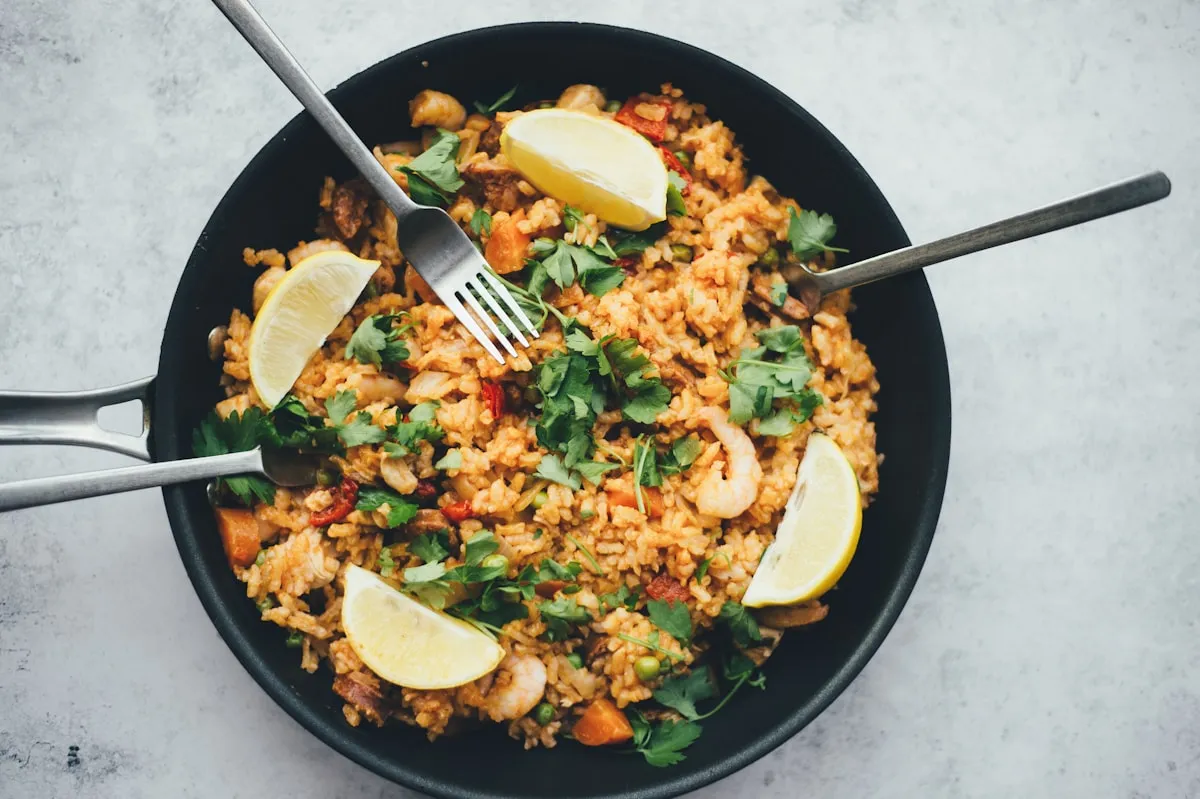
There is a specific kind of magic that happens when you take a humble tuber, some high heat, and exactly fifteen minutes of your life. I’m not talking about those mushy, sad sweet potato piles you find at lackluster brunch spots. I’m talking about a soulful, crispy, deeply caramelized sweet potato hash that makes you realize quick healthy meals don’t have to taste like compromise.
You know the feeling. It’s 6:30 PM, the fridge looks like a desert, and the temptation to order takeout is clawing at your brain. But here’s the thing: you can actually produce a meal that tastes like it took an hour in less time than it takes for a delivery driver to find your doorbell. This hash is one of my favorite plant-based dinner ideas because it relies on chemistry, not complexity. It’s about understanding how to treat your ingredients so they reward you with flavor.
The Science of the Sear: Why Your Hash Fails (And How to Fix It)
If your sweet potatoes usually end up steamed and soft rather than crispy and soulful, you aren’t failing: you’re just fighting physics. To get that perfect crust, we need to invite the Maillard reaction to the party. This is the chemical reaction between amino acids and reducing sugars that gives browned food its distinctive, savory flavor. Because sweet potatoes are packed with natural sugars, they are Maillard superstars, but they have one major enemy: water.
Master the Moisture
The biggest mistake you can make is throwing wet, cold potatoes into a lukewarm pan. Water is the enemy of the crust. When moisture is present, the temperature of your food can’t rise much above the boiling point of water (212°F/100°C). However, the Maillard reaction really starts humming at around 280°F to 330°F. If your potatoes are steaming, they aren’t browning.
Use a clean kitchen towel to pat your diced potatoes aggressively dry. If you’re using the microwave to par-cook them (a pro-tip for hitting that 15-minute mark), let them sit uncovered for sixty seconds afterward. This allows the surface moisture to flash off as steam before they ever touch the oil.
Surface Area is Your Best Friend
Cut your potatoes into small, uniform cubes: about half an inch at most. Why? Geometry. Smaller cubes mean more surface area relative to the volume. More surface area means more contact with the hot metal of your skillet, which means more crispy bits. If you cut them too large, the centers will stay raw while the outsides burn, or you’ll have to cook them so long they turn into mush. Consistency is a non-negotiable here.
Don’t Be a Skillet Stalker
Once those potatoes hit the hot oil, leave them alone. I mean it. Step away. Stop stirring. Every time you move the potatoes, you break their contact with the heat source and drop the temperature of the pan. You need to let that bottom layer develop a hard, golden-brown crust. Only when they naturally release from the pan should you give them a toss. If they’re sticking, they’re probably not done browning yet. Trust the process.
The Heat Management Dance
Sweet potatoes have a high sugar content, which means the line between "beautifully caramelized" and "burnt and bitter" is thinner than a mandolin slice. Start with medium-high heat to get that initial sear, but once you see that deep golden color, dial it back to medium. This allows the interior to finish softening without the exterior turning into carbon. If you want more 15-minute meal inspiration, learning this heat control is the single most important skill you can develop.
Soulful Variations for Every Mood
The beauty of a sweet potato hash is its versatility. Once you master the base technique, you can pivot the flavor profile to match whatever is lingering in your pantry.
The Southwest Pivot
For a punchy, vibrant version, lean into the smokiness of cumin and smoked paprika. Toss in some black beans and charred corn during the last three minutes of cooking. The earthiness of the beans grounds the sweetness of the potatoes, making it one of the most satisfying plant-based dinner ideas for a Tuesday night. Finish it with a heavy hand of lime juice to cut through the richness.
The Mediterranean Vibe
If you want something lighter, use oregano and garlic. Instead of heavy oils, use a high-quality olive oil and fold in some fresh spinach at the very end until it just wilts. The iron-rich greens and the sweet tubers are a match made in nutritional heaven. If you aren’t keeping it strictly plant-based, a sprinkle of salty feta does wonders here.
The Spicy Breakfast-for-Dinner
Add some heat with diced jalapeños or a swirl of harissa. The spicy-sweet combo is a classic for a reason. If you have an air fryer, you can actually use the "basket" method to get these even crispier while you work on other components: similar to how we handle air fryer sausage medleys.
Perfect Pairings: Balancing the Plate
A sweet potato hash is "heavy" on the sweet and earthy notes, so your side dishes need to provide contrast. You want something that brings acidity, crunch, or creaminess to the table to prevent the meal from feeling one-note.
- Acidity is Key: A simple arugula salad with a lemon vinaigrette is my go-to. The peppery bite of the arugula and the sharp acid of the lemon slice right through the starchiness of the hash.
- Creamy Fats: Sliced avocado or a dollop of cashew cream (for the plant-based crowd) provides a lush mouthfeel that balances the crispy, charred edges of the potatoes.
- Quick Grains: If you’re exceptionally hungry, serve the hash over a bed of quinoa or even a quick 10-minute pasta base. It turns a simple hash into a massive, "I-can’t-believe-I-cooked-this" feast.
FAQ: Your Science-Backed Troubleshooting Guide
Why are my sweet potatoes greyish instead of bright orange?
This usually happens due to oxidation or a shift in pH. If you dice your potatoes too far in advance and leave them out, they’ll react with the oxygen in the air. More interestingly, sweet potatoes contain pigments called anthocyanins that can change color based on the acidity of their environment. A tiny splash of lemon juice or vinegar not only improves the flavor but helps keep those colors vibrant.
Can I use a non-stick pan?
You can, but you shouldn’t if you want maximum soul. Cast iron or stainless steel are superior for browning because they hold heat better and allow for a more intense sear. Non-stick surfaces are designed to prevent things from sticking, but some "sticking" is actually helpful for building that initial crust.
What if I don't have a microwave to par-cook?
No problem, it just adds a few minutes. You’ll need to put a lid on your skillet for the first 5-7 minutes of cooking. This traps the steam released by the potatoes, essentially "steaming" them in their own juices until they’re tender. Then, you remove the lid, add a bit more oil if needed, and crank the heat to brown them. It’s a one-pan win for quick healthy meals.
Why do they sometimes turn out mushy even if I don't crowd the pan?
Check your potato variety. "Jewel" or "Garnet" sweet potatoes are moist and starchy, which is great for mashing but trickier for hash. If you can find "Japanese" sweet potatoes (the ones with purple skin and white flesh), they have a lower moisture content and hold their shape beautifully in a hot skillet.
Is it okay to leave the skin on?
Not only is it okay, it’s encouraged! The skin provides extra fiber and, more importantly, extra texture. When it hits the hot oil, the skin becomes incredibly crispy, providing a structural contrast to the soft interior. Just make sure to scrub them well before dicing.
{“@type”:”BlogPosting”,”image”:”https://cdn.marblism.com/propts/soulful-sweet-potato-hash-hero.webp”,”author”:{“name”:”Penny”,”@type”:”Person”},”@context”:”https://schema.org”,”headline”:”Soulful 15-Minute Sweet Potato Hash”,”keywords”:”plant-based dinner ideas, quick healthy meals, sweet potato hash, 15 minute meals”,”publisher”:{“logo”:{“url”:”https://cdn.marblism.com/r31hCYxu5lk.webp”,”@type”:”ImageObject”},”name”:”Cookpedia”,”@type”:”Organization”},”description”:”Learn the science behind the perfect 15-minute sweet potato hash. A quick, plant-based dinner idea focusing on the Maillard reaction for maximum crispiness.”,”datePublished”:”2026-06-14″,”mainEntityOfPage”:{“@id”:”https://cookpedia.com/soulful-15-minute-sweet-potato-hash”,”@type”:”WebPage”}}