Recipe
Servings
Servings 1×
Ingredients
- Chicken
- Salmon
- Lentils
- Chickpeas
- Quinoa
- Bread
- Potatoes
- Spinach
- Lemon
- Cream
- Butter
- Cooking oil
Method
- Let’s be honest: beets are the most misunderstood vegetable in the pantry.
- Use a high temperature, typically around 400°F (200°C).
- Add a crunch factor to break up the softness of the roasted beets.
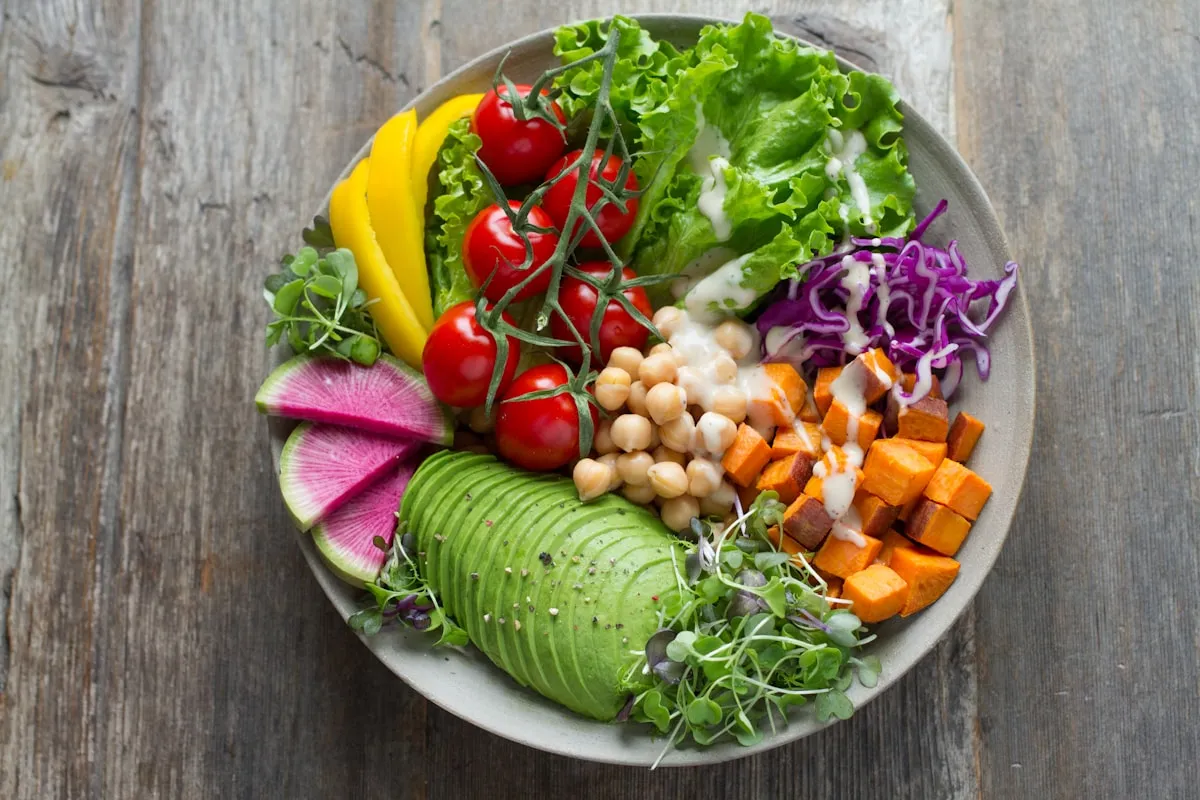
Let’s be honest: beets are the most misunderstood vegetable in the pantry. If your only experience with them is that metallic-tasting slices from a can, I am here to change your life. When you roast a beet, something magical happens. The earthy, dirt-adjacent flavor transforms into a deep, concentrated sweetness that rivals any candy. Pair that with the creamy, sharp tang of goat cheese, and you have a salad that feels like a high-end bistro dish but is actually one of the easiest healthy dinner ideas you can pull off on a Tuesday night.
The Chemistry of the Caramelized Beet
Roasting is not just "cooking with dry heat"; it is a full-blown scientific transformation. Beets are packed with natural sugars, and when they hit the high heat of your oven, those sugars undergo the Maillard reaction. This chemical process creates new flavor compounds that didn't exist in the raw vegetable. You aren't just heating the beet; you are reinventing it.
Stop boiling your beets. Boiling is for potatoes you intend to mash. When you boil a beet, the water leeches out all that beautiful color and, more importantly, the flavor. You end up with a watery, sad vegetable. Instead, roast them whole and in their skins. Think of the skin as a natural, biodegradable parchment packet. It protects the interior flesh from drying out while allowing the sugars to concentrate.
Use a high temperature, typically around 400°F (200°C). If you are looking for shortcuts and love your gadgets, you can actually adapt this for air fryer recipes dinner by cubing the beets first and tossing them in a bit of oil. The air fryer mimics the convection of a professional oven, blasting the beets with hot air to get those crispy, caramelized edges in half the time.
Check for doneness with a sharp knife. If it slides into the center of the beet with zero resistance, like it's cutting through softened butter, you are ready to go. The most satisfying part? The skins. Once the beets have cooled slightly, use a paper towel to rub the surface. The skins will slip right off, leaving you with perfectly smooth, jewel-toned globes. Avoid doing this with your bare hands unless you want to look like you’ve been working in a 19th-century ink factory for the next three days.
The "earthiness" you taste in beets comes from a compound called geosmin. It’s the same smell you notice in the air right after a rainstorm. While some people love it, others find it overwhelming. The science-backed secret to balancing geosmin is acidity. This is why the tangy goat cheese and a sharp vinaigrette are non-negotiable. The acid cuts right through that deep earthiness, creating a balanced profile that makes the salad refreshing rather than heavy.
Elevating the Bowl: Textural Variations
Once you’ve mastered the base of roasted beets and goat cheese, the possibilities for customization are endless. A great salad is all about the "bite", you want a mix of creamy, crunchy, sweet, and acidic.
Add a crunch factor to break up the softness of the roasted beets. Toasted walnuts are the classic choice because their slight bitterness complements the sweetness of the vegetable. However, don't sleep on pumpkin seeds or even toasted quinoa if you want to keep things grain-free but textured.
Introduce a citrus element to brighten the entire dish. Sliced blood oranges or navel oranges add a floral sweetness that works beautifully with the deep purple of the beets. If you’re looking for quick family meals that feel special, layering these colors on a large platter makes the meal look like a centerpiece with very little extra effort.
Consider the greens as a structural component. Arugula is the gold standard here because its peppery bite stands up to the richness of the cheese. If you prefer something milder, baby spinach works, but make sure to dress it heavily with lemon juice to keep the acid levels high. For a more substantial meal, throw in some chilled lentils or chickpeas. They soak up the beet juices and turn a beautiful pink hue, making the bowl even more visually striking.
Perfect Pairings: Balancing the Plate
This salad is a powerhouse on its own, but it also plays incredibly well with others. When thinking about side dish pairings, focus on proteins that can handle the bold flavor of the beets without being overshadowed.
Grilled or roasted chicken is the most straightforward companion. The lean protein provides a neutral base that lets the beet-and-cheese combo shine. If you want to keep things in the "soulful and simple" spirit of Cookpedia, a pan-seared salmon fillet is an elite choice. The healthy fats in the salmon mirror the creaminess of the goat cheese, creating a very luxurious mouthfeel.
Avoid heavy, cream-based sides. Since the goat cheese already provides plenty of richness, you don't want a side of mashed potatoes or a heavy gratin. Instead, think about a light, herb-forward grain salad or a piece of crusty sourdough bread to swipe up any leftover dressing. The goal is a meal that leaves you feeling energized, which is why this is one of our favorite healthy dinner ideas for those days when you need a nutritional "reset."
Frequently Asked Questions
What if I don't like goat cheese?
The beauty of this salad is its versatility. If the funk of goat cheese isn't for you, swap it out for a high-quality feta. Feta provides the necessary salt and tang but has a firmer, crumblier texture. For a milder, creamier option, try fresh burrata or even dollops of ricotta mixed with a bit of lemon zest.
Can I roast the beets ahead of time?
Absolutely. In fact, roasted beets are better after they’ve spent a few hours (or even a night) in the fridge. The flavors have more time to meld, and the texture becomes slightly firmer, which makes them easier to slice cleanly. This makes this salad a perfect candidate for meal prep. Roast a big batch on Sunday, and you’ll have the base for several quick family meals throughout the week.
How do I stop the beets from staining everything?
Beet juice is essentially a natural dye. To keep your kitchen from looking like a crime scene, use a plastic or glass cutting board instead of wood, as wood will absorb the pigment. If you do get stains on your hands, rub them with a bit of lemon juice and salt, the acid and abrasion will help lift the color.
Why are my roasted beets still crunchy?
If your beets are still firm after the recommended roasting time, they were likely either too large or your oven temperature was inconsistent. Always try to pick beets that are similar in size so they cook at the same rate. If you have one giant beet and three small ones, cut the big one in half before roasting to even the playing field.
Can I use golden beets instead?
Yes, and you should! Golden beets are generally sweeter and less "earthy" than their red counterparts. They also won't stain your hands (or your clothes) quite as intensely. Mixing red and golden beets creates a stunning visual contrast that makes the salad look professionally plated.
Is the skin edible?
Technically, yes, but I don't recommend it for this specific salad. The skins can be quite tough and sometimes hold onto a bit of grit. Peeling them off after roasting ensures you get that perfectly smooth, melt-in-your-mouth texture that makes this dish so successful.
Ready to level up your salad game? Check out more simple recipes at Cookpedia and start making the most of your weeknight dinners.