Recipe
Servings
Servings 1×
Ingredients
- Chicken
- Pasta
- Noodles
- Peas
- Garlic
- Lemon
- Cream
- Butter
- Cooking oil
- Black pepper
Method
- Keep your heat at a medium-low setting once the cheese enters the pan.
- Let’s talk about the peas.
- Cook them for no more than two minutes.
If you have fifteen minutes and a moderate amount of self-respect, you can have a dinner that tastes like a spring morning in Tuscany. I’m serious. This lemon ricotta pasta with peas is the ultimate "I’m too tired to cook but too classy for cereal" solution. It’s bright, creamy, and deceptively sophisticated. Forget the heavy cream; we’re letting high-quality cheese and science do the heavy lifting tonight. Trust me, your kitchen is about to become your favorite restaurant.
The Science of the Perfect Emulsion
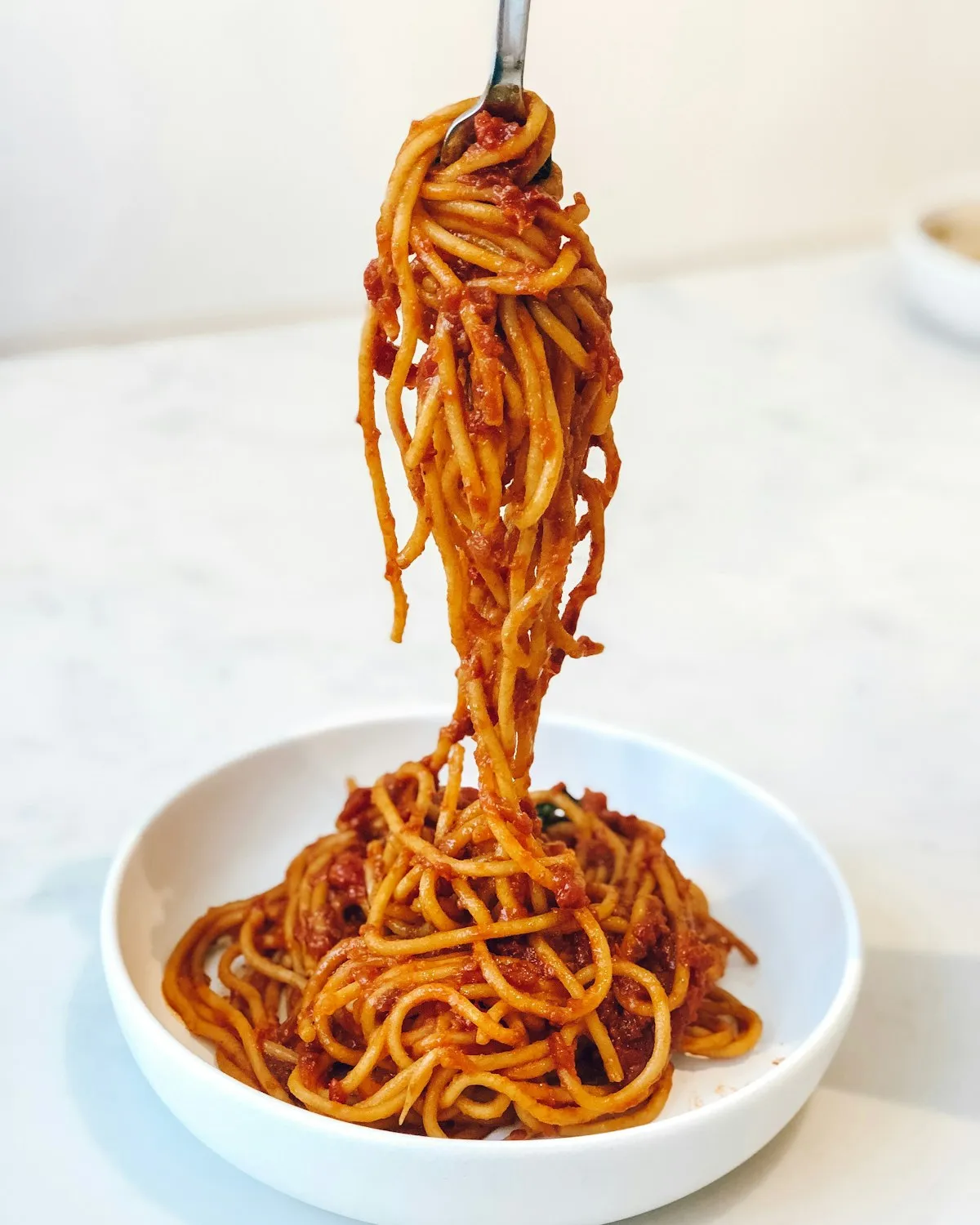
Making a sauce out of ricotta is less about cooking and more about managing protein structures and pH levels. If you simply throw cold ricotta onto hot pasta, you often end up with a grainy, separated mess. To achieve that velvety, restaurant-quality gloss, you must respect the emulsification process.
Start with the water. Never, and I mean never, dump all your pasta water down the drain. This liquid gold is saturated with starch molecules that act as a bridge between the fat in the ricotta and the moisture in the sauce. When you whisk starchy water into your cheese, the starch surrounds the fat droplets, preventing them from clumping together. This results in a smooth coating rather than a gritty one. Always reserve at least a cup more than you think you need.
Temperature control is your second priority. Ricotta is a heat-sensitive dairy product. High heat causes the proteins to tighten and squeeze out water, which is how you get that unpleasant curdled texture. Keep your heat at a medium-low setting once the cheese enters the pan. Better yet, toss the pasta with the ricotta off the heat entirely. The residual warmth of the noodles is usually enough to melt the cheese into a luscious sauce without breaking it.
Let’s talk about the peas. Whether you are using fresh or frozen, the goal is to maintain that vibrant "pop." Peas contain chlorophyll, which remains bright green in alkaline environments but turns a dull, muddy brown when exposed to acid or prolonged heat. Cook them for no more than two minutes. If you are using frozen peas, simply toss them into the pasta water during the final sixty seconds of boiling. This is one of those quick healthy meals where timing is everything.
Finally, understand your lemon. The yellow zest contains aromatic oils that provide the "fragrance" of lemon without the bite. The juice, however, contains citric acid. Acid is a double-edged sword; it brightens the flavor and cuts through the richness of the ricotta, but it also lowers the pH of the sauce, which can encourage curdling if added too early. Grate your zest directly into the ricotta mixture to infuse the fat with flavor, but save the juice for the very end. Squeeze it over the finished dish to provide a sharp, clean finish that wakes up the entire palate. For more inspiration on how to use fresh produce, check out our Vegetarian Dinner Recipes.
Flavor Variations and Texture Hacks
While the classic version is a masterpiece of minimalism, you can easily adapt this base for different moods. If you want to lean into the "soulful" side of our simple pasta recipes, consider adding a crunch. Toasted pine nuts or panko breadcrumbs sautéed in butter with a little garlic provide a necessary textural contrast to the soft pasta and creamy cheese.
For the protein hunters, a handful of crispy pancetta or even shredded rotisserie chicken works wonders here. The saltiness of the cured meat balances the sweetness of the peas perfectly. If you are looking for a more herbaceous profile, swap the mint for basil or even a bit of fresh tarragon. Tarragon has a slight anise flavor that pairs beautifully with the creamy ricotta and acidic lemon.
If you like a bit of heat, don't be afraid of red pepper flakes. Sauté them in a little olive oil before adding your ricotta to create a spicy base that cuts right through the dairy. This is a great way to elevate easy dinner recipes without adding more than thirty seconds to your prep time. You can also experiment with different types of pasta; while spaghetti is traditional, a short, ridged shape like rigatoni or fusilli is excellent for "catching" the peas and ricotta in every bite.
Side Dish Pairings for Perfect Balance
Because this pasta is rich and creamy, your side dishes should focus on acidity, bitterness, and crunch to provide a balanced meal. A simple arugula salad is my go-to recommendation. The natural peppiness and bitterness of the arugula provide a sharp contrast to the mild, sweet ricotta. Use a very light vinaigrette, think lemon juice and high-quality olive oil, to keep the flavors aligned.
If you want something warmer, try quick-charred broccolini or asparagus. The smoky, roasted notes of charred vegetables add a depth of flavor that makes the pasta feel even lighter and fresher. Avoid heavy, starchy sides like garlic bread; you already have the pasta, so doubling down on carbs will likely leave you feeling sluggish. Instead, aim for high-water-content vegetables that refresh the palate between bites.
For those busy weeknights, these pairings transform a single pot of pasta into a complete, balanced dinner that feels intentional. If you’re truly short on time, explore our Quick 15-Minute Meals for more side dish inspiration that won't keep you in the kitchen all night.
Frequently Asked Questions
Why did my ricotta sauce turn out grainy?
Graininess is almost always caused by too much heat or not enough pasta water. If the ricotta gets too hot, the proteins clump together. To fix this, remove the pan from the heat immediately and whisk in a tablespoon or two of hot pasta water. The starch and moisture will help smooth out the proteins. Next time, try mixing the ricotta with a little warm water in a separate bowl before adding it to the pasta.
Can I use low-fat ricotta for this?
Technically, yes, but I wouldn't recommend it. This is one of those easy dinner recipes where the quality of the main ingredient dictates the quality of the result. Low-fat ricotta often contains stabilizers and thickeners that don't melt as elegantly as the full-fat version. If you’re looking for quick healthy meals, focus on portion size rather than sacrificing the texture of the cheese.
What if I don't have fresh lemons?
Stop what you are doing and go to the store. Bottled lemon juice is a pale, sad imitation of the real thing and lacks the aromatic oils found in the zest. The zest is actually the most important part of this dish's flavor profile. If you absolutely cannot find a lemon, a lime will work in a pinch, though the flavor will be more tropical than Mediterranean.
Is it okay to use frozen peas?
Absolutely. In many cases, frozen peas are actually "fresher" than the ones you find in the produce aisle because they are flash-frozen at the peak of ripeness. Do not thaw them before use. Just toss them into the boiling pasta water during the last minute of cooking. They will be perfectly tender and bright by the time you drain the noodles.
Can I reheat this pasta the next day?
Pasta with ricotta is best served immediately. When it sits in the fridge, the pasta absorbs the moisture from the sauce, leaving you with something a bit dry. If you must reheat it, add a splash of water or milk and heat it very gently on the stove over low heat, stirring constantly to re-emulsify the sauce. Avoid the microwave if possible, as it tends to make the ricotta "rubbery."
Why should I salt my pasta water so heavily?
The water is your only chance to season the pasta from the inside out. Since the ricotta sauce is relatively mild, the salt in the pasta provides the necessary foundation of flavor. Think of it like a seasoning "base layer." If the water isn't salty, the final dish will taste flat, no matter how much lemon you add.
{“@type”:”FAQPage”,”@context”:”https://schema.org”,”mainEntity”:[{“name”:”Why did my ricotta sauce turn out grainy?”,”@type”:”Question”,”acceptedAnswer”:{“text”:”Graininess is usually caused by excessive heat causing the proteins in the ricotta to clump. To prevent this, add the ricotta off the heat and use starchy pasta water to emulsify the sauce into a smooth texture.”,”@type”:”Answer”}},{“name”:”Can I use low-fat ricotta for this?”,”@type”:”Question”,”acceptedAnswer”:{“text”:”While possible, full-fat ricotta is highly recommended for the best texture. Low-fat versions often contain stabilizers that don’t melt well, leading to a less creamy sauce.”,”@type”:”Answer”}},{“name”:”Is it okay to use frozen peas?”,”@type”:”Question”,”acceptedAnswer”:{“text”:”Yes, frozen peas are excellent for this dish. Add them directly to the boiling pasta water during the last minute of cooking to ensure they stay bright green and sweet.”,”@type”:”Answer”}},{“name”:”Can I reheat this pasta the next day?”,”@type”:”Question”,”acceptedAnswer”:{“text”:”It is best served fresh, but if you must reheat, do so gently on the stovetop with a splash of water or milk to loosen the sauce and prevent the ricotta from becoming rubbery.”,”@type”:”Answer”}}]}