Recipe
Servings
Servings 1×
Ingredients
- Pasta
- Noodles
- Garlic
- Lemon
- Cream
- Cooking oil
- Chili seasoning
- Salt
Method
- Use a cold pan when you begin warming the olive oil and garlic together.
- Keep the heat moderate and watch the color.
- Stir or gently move the garlic so the slices cook evenly, and add the chili when the oil is warm enough to wake up its aroma.
- Use plenty of salted water, but do not feel obliged to fill your largest stockpot to the brim.
- Stir the linguine occasionally to prevent sticking and to encourage starch to move into the water.
- Transfer the hot linguine into the skillet with the infused oil, then add a small splash of pasta water.
When dinner needs to happen quickly, reach for pasta and let a few high-impact flavors do the heavy lifting. This garlicky olive oil linguine with chili and parsley is one of my favorite simple pasta recipes because it feels generous without demanding much from you. The sauce is light, silky, spicy, and deeply savory, with just enough garlic to make the kitchen smell like you know exactly what you’re doing.
It belongs in your regular rotation alongside these 15-minute meal ideas: especially on evenings when everyone is hungry and patience has left the building.
Tips & Technique: Build a Sauce from Water, Oil, and Motion
Start with the garlic at the right temperature
Use a cold pan when you begin warming the olive oil and garlic together. This gives the garlic time to release its flavor gradually instead of dropping it into a fiercely hot pan where it can burn before the oil is properly infused.
Keep the heat moderate and watch the color. Pale gold is what you want. Dark brown is not “extra flavor”; it is bitterness wearing a tiny chef’s hat. Stir or gently move the garlic so the slices cook evenly, and add the chili when the oil is warm enough to wake up its aroma.
Garlic contains sulfur compounds that create its characteristic sharpness. Gentle heating softens that bite while allowing the flavorful compounds to move into the oil. Too much heat pushes the garlic past sweet and savory into acrid territory, so treat it kindly.
Cook the linguine just shy of al dente
Do not cook the pasta until it is completely finished in the pot. Pull it out while it still has a firm center, because it will continue cooking in the skillet with the garlic oil.
That last minute or two matters for both texture and sauce. As the linguine finishes in the pan, it absorbs flavor from the oil and releases a little more surface starch. The result is pasta that tastes seasoned throughout rather than noodles wearing a slippery coat.
Use plenty of salted water, but do not feel obliged to fill your largest stockpot to the brim. A slightly more concentrated cooking liquid gives you starchier water, which is useful when you want the sauce to cling. Stir the linguine occasionally to prevent sticking and to encourage starch to move into the water.
Before draining, save some of that cloudy cooking liquid. This is not optional if you want the best texture. Pasta water is your sauce-building tool, not kitchen waste.
Understand the emulsion
Oil and water naturally separate. That is why plain olive oil can pool at the bottom of the pan instead of coating your noodles. The fix is an emulsion: tiny droplets of oil suspended in water, held together by starch and agitation.
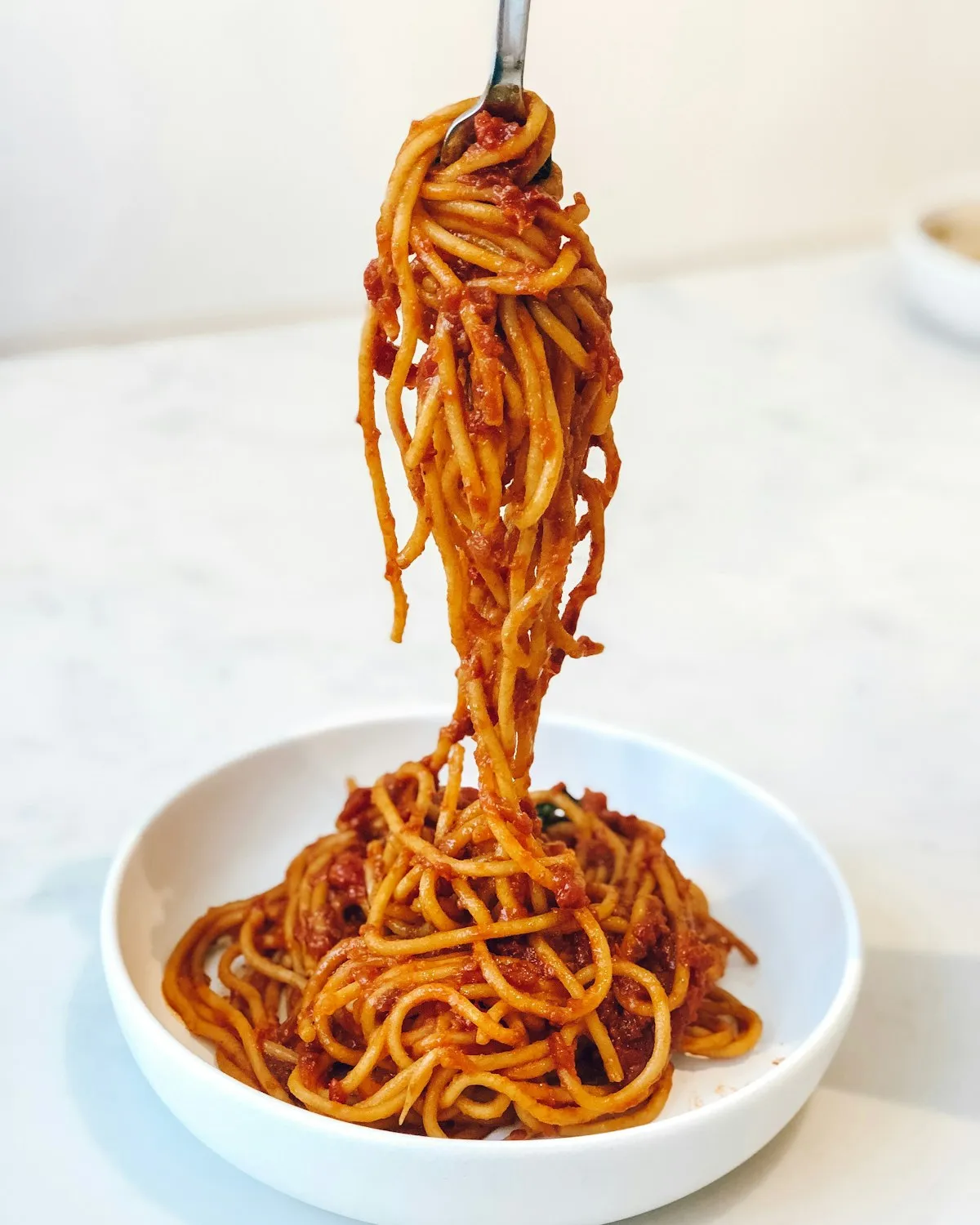
Transfer the hot linguine into the skillet with the infused oil, then add a small splash of pasta water. Toss continuously over moderate heat. Keep the noodles moving with tongs, or shake the pan if you have the wrist strength and the confidence. The goal is to combine the oil, water, and pasta starch into a glossy coating.
You will know it is working when the sauce looks silky rather than greasy and clings to the linguine instead of puddling underneath it. If the pasta looks oily, add another small splash of cooking water and toss harder. If it looks watery, keep it over the heat for a little longer so excess moisture can evaporate.
Think of the pan as a tiny laboratory: heat encourages evaporation, starch thickens the liquid, and movement breaks the oil into droplets. Miss one of those elements and the sauce may separate. Use all three and you get a remarkably creamy texture without cream.
Finish off the heat
Add the parsley when the pasta is finished and the heat is off. Fresh herbs contain delicate aromatic compounds that can fade or turn dull when cooked aggressively. Folding parsley through the hot noodles at the end keeps its flavor bright and grassy.
Taste before serving. Salt levels vary depending on how generously you seasoned the pasta water, so adjust carefully. A little lemon zest or a squeeze of lemon can also sharpen the dish, but use it with restraint. Acidity should lift the olive oil, not make the linguine taste like a citrus salad.
Serve immediately. Emulsified sauces are at their best while hot, when the starch is active and the oil remains smoothly dispersed. As the pasta cools, the sauce can tighten or separate. This is a dish that rewards sitting down promptly, preferably before anyone asks whether there is dessert.
For another practical weeknight approach, browse Cookpedia’s quick meals collection.
Variations: Keep the Balance, Change the Personality
Treat the basic pasta as a framework rather than a rule carved into a parmesan block.
For a richer version, add toasted breadcrumbs at the end. They bring crunch and a nutty flavor that balances the softness of the noodles without making the sauce heavy. Toast them separately so they stay crisp.
Add greens when you want more bulk. Baby spinach can wilt into the hot pasta, while finely sliced kale benefits from a little extra cooking time. Broccoli, peas, or sautéed zucchini also work well. Keep the vegetables modest, though. This recipe depends on the garlic-chili oil remaining noticeable.
For a brighter bowl, add lemon zest with the parsley and finish with a small squeeze of juice. The acidity cuts through the olive oil and makes the dish taste lighter. For more savory depth, add finely grated hard cheese, but remember that cheese brings salt and richness, so taste before adding extra seasoning.
Make it more substantial with white beans, flaked tuna, sautéed mushrooms, or prawns. Cook any additions separately and fold them in at the end so they do not dilute the emulsion. For a plant-based dinner, stay with vegetables, beans, or toasted nuts and explore more ideas in Cookpedia’s vegetarian dinner recipes.
If your chili tolerance is low, reduce the flakes rather than removing them completely. A tiny amount adds warmth and makes the garlic taste sweeter. If you love heat, add fresh chili for a sharper bite, but avoid overwhelming the parsley and olive oil.
Side Dish Pairings: Add Contrast, Not Competition
Pair this linguine with something crisp, fresh, or slightly acidic. A simple green salad with lemon dressing is ideal because the acidity cuts through the olive oil while the greens add freshness. Keep the dressing light; the pasta already has plenty of richness.
Roasted broccoli, asparagus, or green beans make a warm vegetable side with a little bitterness to balance the sweet garlic. Add a squeeze of lemon just before serving to keep the vegetables lively.
For something cooling, serve chopped tomatoes with parsley, olive oil, and a splash of vinegar. Their juiciness provides contrast to the silky noodles. Crusty bread is also welcome for catching the last drops of sauce, although you may want to pretend that was always the plan.
FAQ: What If My Pasta Does Not Turn Out Right?
What if the sauce looks greasy?
Add a small splash of hot pasta water and toss vigorously over moderate heat. Greasiness usually means there is not enough water, starch, or movement to form an emulsion. Do not simply add more oil; that will make the separation worse.
If the pan is extremely hot, lower the heat briefly. Rapid boiling can evaporate the water before it has time to combine with the oil. Keep tossing until the sauce looks glossy and lightly coats the noodles.
What if the sauce is watery?
Keep the pasta moving over the heat for another minute. Evaporation will remove excess water while the starch continues to thicken the sauce. Avoid adding flour or cornstarch. They can create a dull, pasty coating and are unnecessary here.
If the pasta is already perfectly cooked, remove it from the pan once the sauce has tightened. Overcooking the noodles will solve one problem by creating another.
What if my garlic tastes bitter?
The garlic was probably cooked too hot or too long. Burnt garlic cannot be rescued with extra parsley or cheese, so start again if the bitterness is strong. Use a cooler pan, slice the garlic evenly, and remove it from the heat as soon as it turns pale gold.
A few darker edges are not automatically disastrous, but blackened slices will dominate the entire dish. Garlic is powerful. Give it a microphone, not a megaphone.
What if I forgot to reserve pasta water?
Use hot water as an emergency substitute, but expect a less silky sauce because it will not contain the same amount of starch. If you have another small portion of pasta cooking water from a second pot, use that instead.
Next time, place a mug beside the stove before draining. This tiny habit prevents the classic “I poured the magic liquid down the sink” moment.
Can I make this ahead?
This pasta is best served immediately because the emulsion is freshest while hot. You can prepare the garlic, parsley, chili, and serving dishes in advance, then cook and finish the linguine when you are ready to eat.
For leftovers, reheat gently in a skillet with a splash of water. The sauce may not return to its original silkiness, but gentle heat will protect the pasta from drying out. Avoid blasting it in the microwave until scorching hot, unless chewy noodles are your preferred form of kitchen archaeology.
Is this a healthy dinner?
It can fit comfortably into a balanced meal, especially when served with vegetables or a fresh salad. The dish relies on olive oil for flavor, so portion awareness matters, but it does not need a heavy cream sauce to feel satisfying.
Add beans, greens, mushrooms, or seafood if you want more protein and volume. For more healthy dinner ideas, focus on balance: pair the pasta with colorful produce and stop cooking it just when it reaches a pleasantly firm texture. Simple, reliable, and no culinary gymnastics required.